Plan for spread
Site plants at least 3–5 m from other woody species or structures, and remove volunteer seedlings annually, since this fast-growing legume can colonize damp ground quickly if unmanaged.

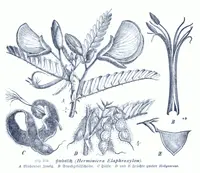
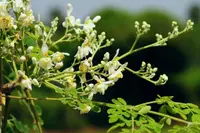
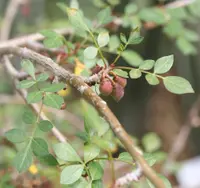
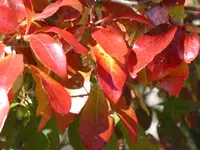
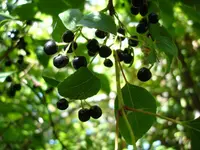
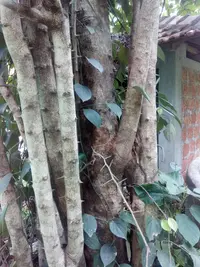
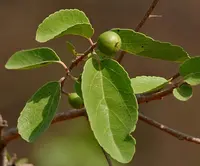
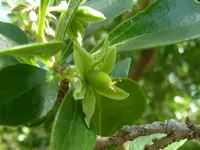
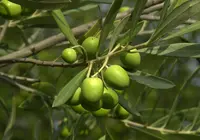
Ambatch, Aeschynomene elaphroxylon, is a fast-growing tropical shrub or small tree known for its very light, spongy wood and fine, feathery foliage. It often forms dense thickets along riverbanks, lakes, and wetlands in tropical Africa and parts of Asia.
The plant typically has slender, upright stems and compound leaves that give it a soft, airy look. It produces small yellow flowers that can attract pollinators in warm climates.
Because it is adapted to flooded or very moist soils and full sun, it is not a typical houseplant. Gardeners who want to care for ambatch usually need a warm, frost-free climate and reliably wet ground or shallow water.

Care Difficulty
Moderate Care

Light Preference
Full Sun

Water Requirements
Aquatic

Temperature Preference
Tropical / Frost Sensitive

Hardiness Zone
10–12

Soil Texture
Sandy, Loamy, Organic-rich

Soil pH
Slightly acidic (6.5–7.0), Neutral (7.0)

Soil Drainage
Waterlogged tolerant

Fertilization
Minimal (feed rarely)
Scan your plant to receive care tips personalized for your specific plant
Available on iOS and Android
This fast-growing wetland tree needs abundant light but benefits from some protection during peak heat.
This species is adapted to very moist to flooded conditions and does not tolerate extended drying.
This tropical to subtropical tree prefers warm conditions and is sensitive to cold and frost.
This fast-growing wetland tree has low humidity demands when grown outdoors in suitable climates.
This wetland legume prefers saturated, soft substrates rather than standard garden soil.
This species is only marginally suitable for container growing and performs best in large, permanently wet outdoor basins or tubs.
This fast-growing legume fixes its own nitrogen, so ambatch needs only light, supplemental feeding in most soils.
Thoughtful pruning keeps Aeschynomene elaphroxylon structurally sound and easier to manage.
This species is usually field-grown, so care focuses on transplanting young trees from nursery containers into permanent ground sites.
Propagation of Aeschynomene elaphroxylon is mostly done from seed under warm, moist conditions.
This tropical to subtropical species lacks strong frost tolerance and needs protection in cooler climates.

Plant Health Check
Not sure what's wrong with your plant? Check your plant's health inside the app.
The wood of this species is so light that dry pieces can float unusually high in water, which has led to its use as a traditional substitute for cork in some parts of Africa.
This legume naturally grows in seasonally flooded rivers, swamps, and lake margins in tropical Africa and Madagascar, forming dense stands in shallow water and on muddy banks.
Like many legumes, it forms nodules on its roots that host symbiotic bacteria capable of fixing atmospheric nitrogen, which helps enrich nutrient-poor wetland soils.

In parts of East and Central Africa, the exceptionally buoyant stems of this species have been used to make lightweight floats for fishing nets and small rafts, taking advantage of its wood density that is lower than most common cork-producing trees.
Yes. This species is commonly propagated from seed, which germinates best in warm, consistently moist conditions. Lightly scarify or soak seeds before sowing, then provide full sun and shallow water or very damp soil for good establishment.
Keep your plants happy and healthy with plant identification, disease detection, and easy care guidance.