Incense tree Care (Aquilaria sinensis)

Incense tree

About Incense tree

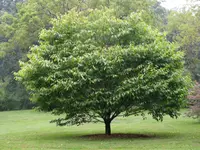
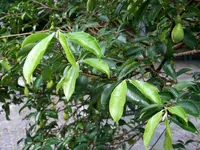
Incense tree (Aquilaria sinensis) is a tropical evergreen tree best known as a natural source of agarwood, a highly valued fragrant resin. It forms a medium-sized tree with a straight trunk, smooth gray bark, and simple, glossy green leaves.

This species is native to southern China and parts of Southeast Asia, where it grows in warm, humid forests. It can be slow-growing and is somewhat demanding in cultivation, which makes how to care for Incense tree more specialized than many common houseplants.

Incense tree prefers bright light, warm temperatures, well-drained soil, and steady moisture without waterlogging, conditions that are easier to provide in frost-free climates or controlled indoor environments.

Main Plant Requirements

Care Difficulty

Hard Care

Light Preference

Partial Sun

Water Requirements

Moderate Water

Temperature Preference

Tropical / Frost Sensitive

Hardiness Zone

10–11

Soil Texture

Sandy, Loamy, Organic-rich

Soil pH

Acidic (5.5–6.5), Slightly acidic (6.5–7.0)

Soil Drainage

Well-drained

Fertilization

Minimal (feed rarely)

Get Personalized Care Plan

Scan your plant to receive care tips personalized for your specific plant

Available on iOS and Android

How to Care for the Incense tree

This subtropical tree prefers bright, filtered light that mimics light woodland conditions.

  • Provide 4–6 hours of gentle morning sun with light shade or dappled light in hotter midday and afternoon periods.
  • Young Incense tree plants benefit from 30–50% shade cloth in exposed sites to prevent leaf scorch and stress.
  • In low light, growth becomes sparse and leggy; in full intense sun, leaves may yellow or brown at the edges, especially in summer.

This species prefers evenly moist but not waterlogged soil, especially during active growth.

  • Allow the top 3–5 cm of soil to dry before deep watering, letting water soak to the root zone, then drain away fully.
  • During hot growing seasons, monitor more often and water when new leaves start to lose slight gloss; reduce frequency in cool months.
  • Signs of overwatering include yellowing leaves and soft roots, while dry, curling leaves and slow growth suggest Aquilaria sinensis is staying too dry.

This subtropical tree grows best in warm, frost-free conditions with only modest seasonal variation.

  • Aim for 68–86°F (20–30°C) for steady growth, with slightly cooler nights improving resilience and root activity.
  • Protect from temperatures below 41°F (5°C); light frost can damage young shoots and repeated freezes may kill the tree.
  • In hot spells above 95°F (35°C), provide extra shade and soil moisture, as extreme heat combined with dry soil can cause leaf drop.

This subtropical species benefits from moderately humid air but adapts to many home conditions.

  • Aim for 50–70% humidity to support steady leaf and stem growth in Incense tree.
  • Tolerates short periods near 35–40%, but prolonged very dry air can cause leaf tip browning and edge crisping.
  • Increase humidity with a nearby tray of water and stones, groupings of plants, or a room humidifier rather than misting foliage.

This species prefers loose, well-drained mineral soils that do not stay waterlogged.

  • Use a sandy-loam structure with about 50% coarse sand, 30% loam or compost, and 20% perlite or fine bark for drainage and aeration.
  • Keep soil slightly acidic to neutral, around pH 6.0–7.0, avoiding strongly alkaline mixes that can limit nutrient uptake.
  • Ensure water drains freely from the container or bed within minutes; standing water or heavy clay leads to root decline and rot.
  • Improve dense or compacted ground by incorporating coarse sand and fine bark through the top 20–30 cm before planting Aquilaria sinensis.

This tree can be grown in containers for several years when the pot is chosen to match its deep root system.

  • Select a tall, heavy container that resists tipping, as the woody stem can become top-heavy in wind or on balconies.
  • Use a pot that is only slightly wider than the root mass to reduce prolonged moisture pockets around fine feeder roots.
  • Elevate the container on pot feet or blocks so drainage holes stay clear and excess water escapes quickly after watering.

Aquilaria sinensis responds to modest, balanced feeding during active growth in containers or managed plantings.

  • Use a balanced, slow-release NPK fertilizer or well-aged compost in spring as new growth starts.
  • Feed container plants every 6–8 weeks in the growing season at half the label strength to avoid salt buildup.
  • Reduce or stop feeding in fall and winter when growth slows or stops.
  • Water before and after applying fertilizer to limit root burn and improve nutrient uptake when caring for Incense tree.

Pruning Aquilaria sinensis focuses on maintaining a healthy framework and safe, open canopy.

  • Carry out light structural pruning in late winter or early spring before vigorous new growth starts.
  • Remove dead, diseased, crossing, or storm-damaged branches using clean, sharp bypass pruners or a pruning saw.
  • Thin crowded interior shoots to improve light penetration and airflow, which helps reduce fungal problems.
  • Limit cuts to smaller branches where possible to avoid large wounds that heal slowly on this species.

Young Aquilaria sinensis plants in containers or nursery beds benefit from thoughtful transplanting to establish strong roots.

  • Look for roots circling the pot, dense root mass at drainage holes, or slowed growth as signs it needs a larger space.
  • Plan major transplanting for late winter or early spring, before strong new growth, and usually every 2–3 years for young trees.
  • Move into a container or ground site only 1–2 sizes larger, using well-drained soil to prevent waterlogging.
  • Handle the root ball gently, loosen only lightly, keep roots shaded and moist, then water deeply to settle soil and reduce shock.

Propagation of Aquilaria sinensis is possible but usually undertaken in controlled or professional settings.

  • Use fresh seed in late spring, sowing in a sterile, well-drained mix kept at 75–80°F with steady moisture but not saturation.
  • Take semi-hardwood stem cuttings in warm weather, apply rooting hormone, and root under high humidity with bright, indirect light.
  • Maintain gentle bottom heat and good air circulation to reduce fungal issues while roots develop.
  • Label parent material and dates carefully, since successful plants may be managed under specific Aquilaria sinensis care instructions.

Aquilaria sinensis is frost sensitive and needs protection in regions with cold winters.

  • Avoid exposure below about 30°F; in cooler climates, grow in containers that can be overwintered indoors or in a greenhouse.
  • Mulch the root zone with 5–8 cm of organic material, keeping mulch slightly away from the trunk base.
  • For young outdoor trees, wrap the lower trunk with breathable tree wrap to reduce bark injury from cold and rapid temperature swings.

Care Tips

Wind-firm training

Stake young trees with 2–3 sturdy posts and soft ties for the first 2–3 years, adjusting ties every few months so the trunk can flex slightly and develop strong, wind-resistant wood.

Root-zone mulching

Apply a 5–8 cm layer of coarse organic mulch in a wide ring around the tree, keeping it 5–10 cm away from the trunk to stabilize soil temperature, reduce competition from weeds, and protect surface feeder roots.

Canopy light management

In the first years, thin surrounding vegetation or use shade cloth to maintain bright, dappled light over the canopy, which encourages balanced vertical and lateral branch development without sunscald.

Targeted trunk inspection

Inspect the trunk and main branches every 4–6 weeks for mechanical wounds, cracking bark, or borer entry holes, and clean any small wounds with sterile tools before they become infection points.

Seasonal nutrition monitoring

Mark a simple calendar for leaf color and growth rate observations each season, and if new leaves are small or pale despite correct watering, adjust fertilization only slightly rather than over-correcting, which supports more stable long-term growing Incense tree conditions.

Common Pests and Diseases

Stem borer

This pest tunnels into young stems and branches, causing dieback, wilting shoots, and reduced resin formation. Symptoms include small entry holes, frass (powdery waste), and hollow or weakened stems.

Solution

Prune and destroy infested shoots promptly, then monitor remaining stems for new entry holes. Use pheromone or light traps where possible and apply a targeted systemic insecticide registered for borers to the trunk and soil during peak borer activity, following local label directions carefully.

Leaf miner

These insects feed inside the leaves, creating winding, pale tunnels that reduce photosynthesis and weaken young plants. Symptoms include distorted new growth and premature leaf drop in severe cases.

Solution

Remove and dispose of mined leaves to reduce the active population, then protect new flushes of growth with neem oil or another registered systemic insecticide that controls leaf miners. Avoid excess nitrogen fertilization, which encourages the tender new foliage most attractive to this pest.

Gall-forming insects

This pest group induces abnormal swellings or galls on leaves, petioles, or young stems, which can deform growth and divert plant resources. Symptoms include rounded or irregular bumps that may house insects or mites inside.

Solution

Prune and destroy heavily galled twigs and leaves, particularly on young Aquilaria sinensis plants. Encourage natural predators by avoiding broad-spectrum insecticides, and if infestations persist, use a selective systemic product timed to early gall formation when new growth is just emerging.

Bacterial leaf blight

This disease causes water-soaked lesions that turn brown or black with yellow halos, often starting on lower or crowded foliage. Symptoms include irregular dead patches on leaves and, in humid conditions, rapid spread through the canopy.

Solution

Remove and discard affected leaves, then improve spacing, airflow, and light penetration to keep foliage dry. Avoid overhead watering, disinfect pruning tools, and, where allowed, use a copper-based bactericide during wet periods according to local regulations as part of Aquilaria sinensis plant care.

Fusarium wilt

This disease is caused by soilborne Fusarium fungi that invade the vascular tissue, leading to yellowing, one-sided wilting, and gradual branch dieback even in moist soil. Symptoms include discolored brown streaks in the wood when stems are cut open.

Solution

Uproot and destroy severely affected plants and avoid replanting Aquilaria in the same spot for several years. Improve drainage, avoid overwatering, use clean tools and propagation material, and consider soil solarization or biological fungicide products labeled for Fusarium suppression in high-value plantings.

Interesting Facts

Source of Chinese agarwood

This species is one of the main traditional sources of Chinese agarwood, a dark, resin-impregnated wood that forms only after the tree is wounded and then infected by specific fungi. The resulting resin gives the wood its dense structure and complex, long-lasting fragrance when burned or distilled.

CITES-protected tree

Wild populations of this species are listed in CITES Appendix II due to heavy overharvesting for fragrant resin and wood. International trade is regulated to reduce pressure on remaining natural stands in southern China and neighboring regions.

Fragrant floral biology

The tree produces small, pale yellow-green flowers with a noticeable sweet scent that attract night-active moths and other insects. The flowers are arranged in loose clusters and appear before or along with new leaves in spring in its native range.

Botan icon

Did you know?

In traditional Chinese culture this species is one of the few trees formally recognized in pharmacopoeias for its resinous heartwood, and historical records show it was used for high-status incense and religious offerings at imperial courts for many centuries.

FAQs about Incense tree

Yellowing leaves often result from water stress, poor drainage, or nutrient deficiency, especially nitrogen or iron. Check for compacted soil, soggy roots, or very dry conditions, and correct watering and fertilization before assuming disease or pests.

Grow Healthy Plants with Botan Care

Keep your plants happy and healthy with plant identification, disease detection, and easy care guidance.


Botan plant care app — identify plants on mobile

Explore More Plants