Arizona madrone Care (Arbutus arizonica)

Arizona madrone

About Arizona madrone

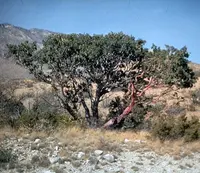
Arizona madrone, Arbutus arizonica, is an evergreen tree or large shrub native to the mountains of the southwestern United States and northern Mexico. It typically grows with a rounded crown and smooth, peeling bark that reveals striking reddish or copper tones.

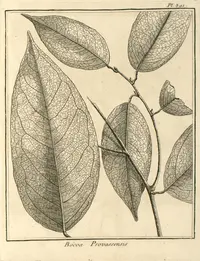
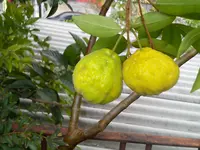
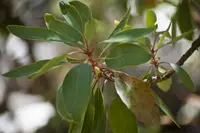
Leaves are leathery, dark green, and hold well year-round, giving the plant a clean, architectural look. Clusters of small, white, urn-shaped flowers are followed by orange to red berries that attract wildlife.

This species thrives in rocky slopes and canyons with good drainage and low to moderate moisture. Its preference for dry, well-drained, slightly alkaline soils and full sun means gardeners should learn how to care for Arizona madrone before planting in wetter or heavy clay sites.

Main Plant Requirements

Care Difficulty

Moderate Care

Light Preference

Full Sun

Water Requirements

Low Water

Temperature Preference

Cold Hardy

Hardiness Zone

7–9

Soil Texture

Sandy, Loamy, Rocky

Soil pH

Slightly acidic (6.5–7.0), Neutral (7.0)

Soil Drainage

Well-drained

Fertilization

Minimal (feed rarely)

Get Personalized Care Plan

Scan your plant to receive care tips personalized for your specific plant

Available on iOS and Android

How to Care for the Arizona madrone

This species prefers bright, open conditions similar to its native upland woodlands.

  • Provide 6–8 hours of direct sun daily; morning sun with light afternoon shade suits young Arizona madrone best in hot regions.
  • Allow light or dappled shade in the hottest part of the day, especially in low-desert or south-facing sites to reduce leaf scorch.
  • Avoid deep shade, which leads to sparse growth and poor flowering; in winter, ensure trees are not permanently shaded by buildings.

This drought-adapted tree prefers infrequent, deep watering once established.

  • Water only when the top 5–8 cm of soil are dry; in most climates this means deep soaking every 2–4 weeks after establishment.
  • Use sharply drained, gritty or rocky soil so water never pools around Arbutus arizonica roots, which are prone to rot in saturated conditions.
  • In summer heat, watch for dull, limp leaves as a sign to water; pale new growth, cracking bark, or soggy soil suggest overwatering.

This species is adapted to warm summers and cool, relatively mild winters.

  • Optimal growth occurs around 60–85°F (16–29°C), with strongest performance in climates with warm days and cooler nights.
  • Mature trees tolerate brief dips to about 10–15°F (-12–-9°C); young plants are more vulnerable and benefit from protection during hard frosts.
  • In hot regions, exposure above 95°F (35°C) is tolerated if roots are mulched and soil is not waterlogged, which increases heat stress.

This species tolerates dry air well, so humidity is rarely a concern in typical outdoor conditions.

This species prefers lean, rocky, well-drained soil similar to its native slopes.

  • Use a sandy or gravelly loam with low to moderate organic matter to mimic its natural habitat.
  • Ensure very sharp drainage; incorporate coarse sand, small gravel, or pumice to prevent waterlogging around the roots.
  • Aim for slightly acidic to neutral pH around 6.0–7.0, avoiding strongly alkaline or salty soils.
  • Avoid heavy clay or compacted sites; if unavoidable, build a raised mound with 40–60% mineral grit to improve aeration.

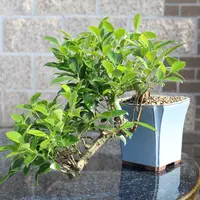
This species is only moderately suitable for long-term container growing due to its eventual size and deep root system.

  • Choose a tall, heavy container to accommodate the developing taproot and prevent tipping in strong winds.
  • Use a very free-draining mix, such as 40% coarse sand or grit blended with a gritty loam-based substrate, to avoid chronic wetness.
  • Position the pot where it will not overheat on all sides, such as against a wall, to reduce root stress in hot climates.

This drought-adapted tree needs only light feeding in most garden soils.

  • Apply a thin layer of compost over the root zone in early spring to support slow, steady growth.
  • If soil is very poor, use a balanced slow-release fertilizer (around 8-8-8 to 10-10-10) once in spring.
  • Use at half the label rate for native trees to avoid salt buildup and excessive leafy growth.
  • Do not fertilize Arizona madrone in late fall or winter, as the plant is semi-dormant.

Pruning Arbutus arizonica focuses on safety, structure, and removing weak growth rather than reshaping the tree.

  • Carry out main pruning in late winter to very early spring before new growth starts.
  • Remove dead, diseased, or crossing branches with clean, sharp bypass pruners or a pruning saw.
  • Thin crowded interior shoots lightly to improve airflow while keeping the natural, open form.
  • Limit cuts to smaller branches; heavy pruning can stress the tree and reduce flowering.

This species is usually grown in the ground, and transplanting must be done carefully due to its sensitive root system.

  • Plan transplanting for cool seasons, ideally late fall or very early spring, when heat stress is low.
  • Look for signs such as circling roots in containers or a pot-bound appearance before moving young plants.
  • Transplant infrequently; step up container size only 1–2 in at a time to avoid waterlogging and shock.
  • Keep the root ball intact, water deeply after planting, and shade temporarily for 1–2 weeks to reduce stress.

Arbutus arizonica propagation is possible but slow and often challenging for home growers.

  • Use semi-ripe cuttings taken in late summer, placing them in a well-drained, sandy mix under high humidity.
  • Apply a rooting hormone to the cut base and maintain bottom warmth around 70°F for better success.
  • Sow fresh seeds in fall, using a free-draining medium and providing 1–3 months of cold stratification in a fridge.
  • Keep young plants in bright light, slightly on the dry side, to limit damping-off and root rot issues.

Mature trees are relatively cold hardy in their native range and usually need minimal winter care.

  • Tolerates light frost, but young plants may suffer damage below about 15–20°F.
  • Apply a 5–8 cm mulch layer over the root zone in late fall, keeping it away from the trunk.
  • Wrap newly planted or container-grown specimens with frost cloth during hard freezes to limit tissue damage.
  • Move containers to a sheltered, unheated but frost-free spot where soil can dry between waterings.

Care Tips

Encourage Deep Roots

During the first 2–3 years, space irrigation to every 10–14 days in dry seasons and water slowly at the dripline so moisture penetrates 30–45 cm deep, which encourages a drought-resilient root system instead of shallow, surface roots.

Protect Sensitive Bark

Avoid string trimmers, lawnmowers, and direct sun-scalding on young trunks by maintaining a 30–60 cm grass-free mulch ring and, in very hot, exposed sites, using a breathable tree guard that does not trap moisture against the bark.

Manage Competing Vegetation

Keep grasses and vigorous shrubs cleared in a 1.5–2 m radius around the tree, especially in the first 5 years, so the madrone is not outcompeted for soil moisture and nutrients on lean, rocky sites.

Sanitize For Disease Control

Promptly remove and dispose of any dead twigs, cankered branches, or leaf litter under the canopy during dry weather, disinfecting pruning tools between cuts to limit spread of fungal pathogens that can enter through wounds.

Establish Wind Stability

In exposed, windy locations, use 2–3 flexible stakes set outside the root ball and tie loosely with soft ties for only the first 1–2 growing seasons so the tree can move slightly, develop a strong trunk, and then stand unsupported as it matures, which is important when growing Arizona madrone in open sites.

Common Pests and Diseases

Leaf blight

This disease causes irregular brown or tan spots that expand into larger dead patches, often starting on older leaves and sometimes leading to premature leaf drop.

Solution

Prune and destroy affected leaves to reduce fungal spread, then improve airflow by thinning crowded branches and avoiding overhead watering; in humid or rainy climates, a copper-based fungicide can be applied at bud break and repeated as directed if blight recurs.

Trunk canker

This disease produces sunken, cracked, or oozing lesions on branches or the main trunk, sometimes accompanied by dieback of twigs above the infected area.

Solution

Cut out infected branches back to healthy wood, sterilizing pruning tools between cuts, and avoid wounding the bark; keep the tree moderately watered during establishment and reduce stress so its natural defenses can limit further canker development.

Scale insects

These insects appear as small, immobile bumps on stems and leaves, causing yellowing foliage, reduced vigor, and sticky honeydew that may lead to sooty mold on the smooth bark.

Solution

Physically remove light infestations by gently scraping or wiping with a cloth dipped in diluted insecticidal soap, and for heavier infestations treat all twig and leaf surfaces with horticultural oil during mild weather, repeating as label directions suggest while monitoring for natural predators.

Bark beetles

This pest bores into stressed trees, leaving small entry holes and fine boring dust, and can cause branch dieback or whole-tree decline under drought or heat stress.

Solution

Prioritize prevention by maintaining tree vigor with deep but infrequent watering during prolonged drought and avoiding mechanical damage; promptly remove and dispose of severely infested or dead limbs, and consult a local arborist about timing of trunk-applied insecticidal treatments if beetle pressure is high in the area.

Leaf spot

Symptoms include small, round to irregular dark spots on leaves, sometimes with pale centers and slight yellow halos, which can coalesce and cause partial defoliation in wet seasons.

Solution

Rake and discard fallen leaves, prune to open the canopy and increase air movement, and avoid wetting foliage; in areas with repeated problems, apply a broad-spectrum fungicide labeled for ornamental trees at the start of the rainy period as part of broader Arbutus arizonica care instructions.

Interesting Facts

Coppery peeling bark

This species develops smooth, copper-colored bark that peels in thin sheets, revealing fresh, pale bark beneath and giving mature trees a distinctive patchwork trunk year-round.

Sky island specialist

It is naturally restricted to high-elevation canyons and slopes in so-called sky island mountain ranges of Arizona, New Mexico, and northern Mexico, where cooler, moister pockets of habitat persist above surrounding desert.

Bird-dispersed berries

Its small, reddish fruits are an important seasonal food source for birds such as towhees and thrashers, which disperse the seeds and help maintain scattered populations across rugged terrain.

Botan icon

Did you know?

This tree is considered a regional relict of cooler, moister climates that dominated the Southwest in the past, so present-day populations in isolated mountain ranges provide evidence for historical shifts in temperature and rainfall patterns.

FAQs about Arizona madrone

This species grows slowly, often only 15–30 cm per year once established. Growth is fastest in youth, then gradually tapers. Good drainage and avoiding root disturbance are more important than fertilizing when growing Arizona madrone.

Grow Healthy Plants with Botan Care

Keep your plants happy and healthy with plant identification, disease detection, and easy care guidance.

Botan plant care app — identify plants on mobile

Explore More Plants