Bocoa prouacensis Care

Bocoa prouacensis

About Bocoa prouacensis

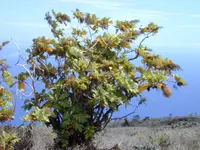
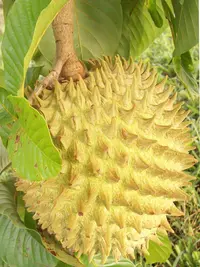
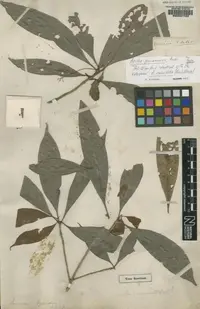
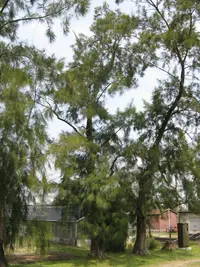
Bocoa prouacensis is a small to medium-sized tropical tree from the legume family, native to the Guiana Shield region of northern South America. It is best known for its very dense, dark, heavy wood.

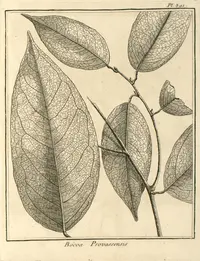
The tree typically has simple, glossy green leaves and a compact, branching habit. In habitat it grows in lowland rainforests, often on well-drained, nutrient-poor soils.

This species is slow-growing and not commonly cultivated, which can make it a challenge for hobbyists to source and maintain. Anyone planning to care for Bocoa prouacensis should understand its preference for warm, stable temperatures, consistent moisture, and free-draining soil.

Due to its specialized rainforest origin and limited cultivation history, it is better suited to experienced growers or collectors able to mimic tropical conditions closely.

Main Plant Requirements

Care Difficulty

Moderate Care

Light Preference

Partial Shade

Water Requirements

Moderate Water

Temperature Preference

Tropical / Frost Sensitive

Hardiness Zone

Unknown

Soil Texture

Loamy, Sandy, Organic-rich

Soil pH

Acidic (5.5–6.5)

Soil Drainage

Well-drained

Fertilization

Minimal (feed rarely)

Get Personalized Care Plan

Scan your plant to receive care tips personalized for your specific plant

Available on iOS and Android

How to Care for the Bocoa prouacensis

This species prefers bright, warm conditions that mimic tropical lowland forest margins.

  • Provide 4–6 hours of direct morning sun with light shade or filtered light during harsh afternoon hours to prevent leaf scorch.
  • Allow partial shade, especially in hotter climates, but avoid sites with less than 3 hours of bright light, which cause lanky growth and sparse foliage in Bocoa prouacensis.
  • In summer, protect young plants from sudden full-sun exposure; in cooler months, favor the sunniest available position to maintain active growth.

Watering should support steady growth while keeping the root zone well aerated.

  • Use deep, infrequent watering, letting the top 3–5 cm of soil dry before watering again to encourage a robust, deep root system.
  • Choose well-drained, slightly sandy or loamy soil so excess water can exit quickly; persistent surface puddling or sour smells indicate poor drainage and rising risk of root rot.
  • In hot, dry seasons increase watering frequency based on faster drying, while in cooler or rainy periods reduce watering; wilting with dry soil signals underwatering, while yellowing leaves with wet soil suggest overwatering.

Stable warmth is important for healthy growth and wood development in this tropical species.

  • Aim for 70–86°F (21–30°C) for active growth, which supports steady leaf and stem development without temperature stress.
  • Protect the plant from temperatures below 55°F (13°C); brief exposure near 50°F (10°C) may slow growth, while light frost can damage young shoots and foliage.
  • Mature plants tolerate short heat waves up to about 95°F (35°C) if soil moisture is maintained, but prolonged extremes above this range increase stress and susceptibility to pests.

This species prefers moderately humid air but copes short term with drier conditions.

  • Aim for 50–70% humidity, especially for young plants or those in active growth.
  • Crisping leaf tips or marginal browning indicate air that is too dry for Bocoa prouacensis.
  • Group plants, place trays with water and pebbles nearby, or use a small humidifier to raise local humidity.

This species performs best in deep, well-drained, slightly acidic, organically enriched soil.

  • Use a loamy mix with 40–50% mineral content (sand or fine gravel) and 50–60% organic matter such as composted bark or leaf mold.
  • Ensure rapid drainage; water should infiltrate quickly and not pool on the surface for more than a few minutes.
  • Target a soil pH around 5.5–6.5; add elemental sulfur for alkaline soils or agricultural lime if soil is very acidic.
  • Improve aeration by incorporating coarse sand, fine gravel, or pine bark chips, and avoid compacted clay or waterlogged sites when planting Bocoa prouacensis.

This species can be grown in large containers when given enough root depth and drainage.

  • Choose a tall, heavy container that reduces tipping risk as the woody stem and canopy gain height and weight.
  • Select a pot volume that allows a deep taproot and lateral roots to extend, not a shallow, wide bowl shape.
  • Use a fast-draining mix and elevate the pot slightly so drainage holes stay clear and excess water escapes freely.

This slow-growing tropical tree is adapted to nutrient-poor soils, so Bocoa prouacensis needs only light, careful feeding in cultivation.

  • Use a mild, balanced NPK fertilizer (such as 10-10-10) or well-matured compost for container or nursery plants.
  • Feed at low strength, using 1/4–1/2 the label dose, every 6–8 weeks during the warm growing season.
  • Avoid fertilizing in late fall and winter, or when growth is clearly slowed or dormant.
  • Flush the potting mix with plain water a few times per season to reduce salt buildup and root stress.

Pruning is mainly used to maintain structure and remove weak material on Bocoa prouacensis rather than to control size aggressively.

  • Carry out light structural pruning at the end of the dry or cool season, just before active growth resumes.
  • Remove dead, diseased, crossing, or storm-damaged branches first to improve airflow and canopy health.
  • Thin crowded interior twigs instead of shortening all tips to preserve the tree’s natural form and branching pattern.
  • Use clean, sharp bypass pruners or a pruning saw, making smooth cuts just outside the branch collar to aid healing.

This species is usually grown in the ground, so transplanting young plants from containers into a permanent site is more relevant than frequent repotting.

  • Plan transplanting for the warm, wet season when soil is workable and root growth is active, reducing establishment stress.
  • Look for roots circling the pot, dense root mats at drainage holes, or slowed top growth as signs a nursery plant is pot-bound.
  • Water the plant well before moving, then gently loosen or tease circling roots so they grow outward into the new soil.
  • Set the root flare level with the surrounding soil, backfill with native soil, water deeply, and mulch 5–8 cm away from the stem.

Propagation of Bocoa prouacensis is possible but tends to be specialized, most often done from seed under controlled conditions.

  • Collect mature seeds and sow them in a well-drained, sterile medium at warm temperatures around 75–85°F.
  • Pre-soak or lightly scarify hard seed coats to improve water uptake and enhance germination rates.
  • Keep the seed tray evenly moist, not waterlogged, with bright filtered light and good air movement.
  • Young seedlings benefit from gradual hardening, moving from sheltered shade to brighter outdoor light over several weeks.

This tropical species is not frost hardy, so in temperate climates it needs managed winter conditions.

  • Avoid exposure below about 40°F; freezing temperatures can damage foliage, twigs, and young stems.
  • In cool regions, keep container plants in a heated greenhouse or bright indoor space over winter.
  • Maintain slightly drier soil in winter while preventing complete dry-out to limit root rot risks.
  • Use a light organic mulch around outdoor plantings in mild climates to buffer short cool spells and protect surface roots.

Care Tips

Deep root establishment

During the first 2–3 years, water less often but in larger volumes to encourage deep rooting, which improves drought tolerance and long-term stability when growing Bocoa prouacensis outdoors.

Wind-hardening young plants

If raising seedlings or young plants in a sheltered spot, gradually expose them to stronger air movement over 2–3 weeks so stems thicken and are less likely to snap in storms once planted out.

Mulch for root protection

Apply a 5–8 cm layer of coarse organic mulch around, but not touching, the trunk to buffer soil temperature, reduce evaporation, and protect fine feeder roots from mechanical disturbance.

Structured formative pruning

In the first 3–5 years, prune lightly once a year to select 3–5 well-spaced main branches and remove narrow crotch angles, creating a strong framework that resists breakage as the wood becomes heavier and denser.

Soil compaction prevention

Keep foot traffic and heavy equipment away from the root zone (ideally the area under the full canopy spread) and use stepping stones or paths, since compacted soil around this species noticeably slows growth and reduces root health.

Common Pests and Diseases

Leaf-chewing caterpillars

This pest commonly feeds on young leaves and shoots, leaving irregular holes and ragged edges on foliage. Symptoms include rapid defoliation on exposed parts of the crown, especially in warm, humid conditions near native forest edges.

Solution

Hand-pick visible caterpillars and prune heavily damaged shoots, then encourage or conserve natural predators such as birds and wasps where possible. Where defoliation is significant, use a targeted biological product based on Bacillus thuringiensis (Bt) applied in the late afternoon, thoroughly wetting young foliage while avoiding drift onto non-target plants.

Wood-boring beetle larvae

These insects tunnel into stems and branches, weakening the dense hardwood and disrupting water transport. Symptoms include small round exit holes, frass (fine sawdust) at the base or on bark, localized dieback, and branches that snap easily.

Solution

Prune and destroy infested branches, cutting back to healthy wood and disinfecting tools between cuts. Improve plant vigor with appropriate watering and nutrition, and in high-value specimens consider preventive trunk and branch treatments with a systemic insecticide applied by a licensed professional when adults are active.

Leaf spot fungi

This disease produces small brown to dark purplish spots on leaves that may merge into larger blotches, sometimes with a yellow halo. Symptoms include premature leaf drop on lower, shaded branches during extended wet periods.

Solution

Remove and discard fallen and heavily spotted leaves to reduce fungal spores, and improve air circulation by thinning dense inner branches. If wet, stagnant conditions persist and damage is recurrent, apply a copper-based or other labeled ornamental fungicide during the start of the rainy period, ensuring thorough coverage of both upper and lower leaf surfaces.

Stem canker

This disease causes sunken, discolored lesions on branches or the main stem, sometimes exuding dark sap. Symptoms include localized wilting beyond the lesion, dieback of twigs, and rough, cracked bark around affected areas.

Solution

Cut out affected branches several centimeters below visible symptoms and burn or dispose of the material away from other plants, sterilizing tools with alcohol or a 10% bleach solution between cuts. Reduce plant stress by avoiding mechanical damage to the trunk, keeping mulch off direct stem contact, and maintaining moderate, even soil moisture to help the tree compartmentalize infections.

Interesting Facts

Extremely dense hardwood

The wood of this species is among the densest known, so heavy that dry pieces commonly sink in water. This extreme density reflects very slow growth and tightly packed wood fibers.

Native to Guiana shield

This tree naturally occurs in the lowland forests of French Guiana and nearby parts of the Guiana Shield, a very old geological formation with nutrient-poor, highly weathered soils. It is typically found in undisturbed, humid tropical forest.

High mechanical strength

Its wood shows very high resistance to wear, compression, and bending, which has led to interest in specialized uses where mechanical performance matters more than ease of working the wood.

FAQs about Bocoa prouacensis

This species grows slowly, often adding only a few centimeters in height and thickness each year. Growth rate depends on warmth, consistent moisture without waterlogging, and well-drained, nutrient-rich soil. Cooler or drier sites slow development further.

Grow Healthy Plants with Botan Care

Keep your plants happy and healthy with plant identification, disease detection, and easy care guidance.

Botan plant care app — identify plants on mobile

Explore More Plants