Capeweed Care (Arctotheca calendula)

Also known as: Cape Daisy, Cape Dandelion, Cape Marigold, Pigweed, Marigold
Capeweed

About Capeweed

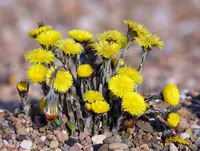
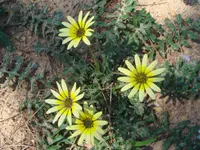
Capeweed, Arctotheca calendula, is a low-growing, mat-forming flowering plant often seen as a groundcover or lawn invader. It produces grey-green, lobed leaves and bright yellow daisy-like flowers with darker centers.

This species is native to South Africa but is now common in Australia, the US, and other mild climates, especially in disturbed or open sunny areas. It spreads quickly by seeds and stolons, so it can become weedy in favorable conditions.

Capeweed is generally easy to grow in full sun with well-drained, dry to moderately moist soil. Its toughness and fast spread make it simple to establish, but those who care for Capeweed must manage its invasive growth habit carefully.

Main Plant Requirements

Care Difficulty

Easy Care

Light Preference

Full Sun

Water Requirements

Low Water

Temperature Preference

Warm Climate

Hardiness Zone

8–11

Soil Texture

Sandy, Loamy, Rocky

Soil pH

Slightly acidic (6.5–7.0), Slightly alkaline (7.0–7.5)

Soil Drainage

Well-drained

Fertilization

Minimal (feed rarely)

Get Personalized Care Plan

Scan your plant to receive care tips personalized for your specific plant

Available on iOS and Android

How to Care for the Capeweed

Arctotheca calendula thrives in bright, open sites with strong sun exposure for compact, flowering growth.

  • Provide 6–8 hours of direct sun daily; full sun is best, though light afternoon shade helps in very hot, dry regions.
  • Plants tolerate partial shade, but with under 4–5 hours of sun you can expect fewer flowers and more leggy, open growth.
  • In summer, prioritize morning sun and avoid reflected heat from hard surfaces; in winter, remove shade from nearby plants or structures so Capeweed still receives strong light.

Arctotheca calendula prefers dry to moderately moist soil and is adapted to low-water conditions once established.

  • Before watering, let the top 3–5 cm of soil dry; in most climates this means deeper, infrequent soakings rather than light surface sprinkling.
  • Increase watering slightly in the first growing season and during prolonged heat, but reduce frequency in cool or rainy periods to prevent root rot.
  • Watch for limp, dull leaves and dry, crisp foliage as signs of underwatering, and for yellowing, soft growth or a sour soil smell as signs of overwatering in this drought-tolerant species.

This species is a sun-loving, mild-climate plant that handles heat better than cold.

  • Aim for an active growing range of about 60–80°F (16–27°C); flowering and foliage quality are most reliable in this band.
  • Mature plants often survive brief drops to around 25–28°F (-4 to -2°C), but repeated hard frosts can damage crowns and reduce long-term vigor.
  • In hot regions, plants tolerate 90–100°F (32–38°C) if soil is well-drained and not waterlogged; in frost-prone areas, expect foliage dieback in winter with regrowth when temperatures warm.

Humidity is rarely a concern for Arctotheca calendula grown outdoors in typical US climates.

Arctotheca calendula prefers lean, sandy soil that drains rapidly and prevents prolonged root wetness.

  • Use a sandy or sandy-loam mix with coarse particles that allow water to move through quickly.
  • Blend 60–70% mineral material (sand or fine grit) with 30–40% compost to supply moderate nutrients without waterlogging.
  • Keep pH slightly acidic to neutral, around 6.0–7.0, as strongly alkaline or saline conditions reduce vigor.
  • Avoid heavy clay, compacted sites, or soils that stay wet for more than a day after rain to limit root diseases.

This low, spreading species is suitable for container growing when drainage and lateral space are managed carefully.

  • Use a wide, shallow pot rather than a deep one to accommodate its mat-forming growth and reduce unused wet soil volume.
  • Choose a gritty mix and a pot material like unglazed terracotta that speeds evaporation to mimic dry, coastal conditions.
  • Raise the container slightly on pot feet so runoff clears the drainage holes quickly and the root zone does not sit in trapped water.

Arctotheca calendula grows well in lean soils and usually needs only light feeding to maintain flowering.

  • Apply a thin layer of compost or a balanced slow-release fertilizer (around 10-10-10) in early spring to support new growth.
  • If flowering declines, use a diluted balanced liquid fertilizer at 1/2 strength every 4–6 weeks during the growing season.
  • Avoid high-nitrogen lawn fertilizers, which encourage leaves over blooms and can weaken Capeweed stands.
  • Stop feeding in late summer to allow plants to harden before cooler weather and dormancy.

Arctotheca calendula benefits from light, timely pruning to keep the mat dense and flowering well.

  • In late winter or early spring, trim back dead or winter-damaged foliage with clean hand shears.
  • Shear lightly after the main flush of blooms to encourage compact regrowth and a neater groundcover shape.
  • Remove individual spent flower stalks and leggy runners during the season to stimulate more buds and thicker coverage.
  • Discard diseased material rather than composting to reduce spread of fungal problems in dense plantings.

This groundcover is more often transplanted in the landscape than repotted, as it spreads quickly.

  • Transplant in early spring or early fall when temperatures are mild and soil is workable.
  • Lift and move clumps when growth becomes crowded, bare patches appear, or plants encroach on paths or other beds.
  • Dig under the mat with a trowel, keeping a shallow but broad root ball to limit root tearing and stress.
  • Replant at the same soil depth in well-drained ground, water thoroughly, then keep evenly moist for 1–2 weeks.

Arctotheca calendula is commonly propagated to extend groundcover patches or fill gaps in plantings.

  • Divide spreading clumps in early spring or early fall, replanting rooted sections immediately into well-drained soil.
  • Take 5–8 cm stem cuttings with a few leaves, insert into a sandy, moist mix, and keep in bright, indirect light until rooted.
  • Sow fresh seeds in late winter or early spring on the soil surface; keep lightly moist and provide 60–70°F for germination.
  • Thin or transplant seedlings once true leaves form, spacing to allow airflow and reduce future crowding.

This species has moderate frost tolerance in mild climates but benefits from simple winter precautions in colder areas.

  • In regions with light frosts, plants often overwinter in place, with foliage browning and re-sprouting in spring.
  • Apply a 3–5 cm mulch layer around, but not over, crowns to buffer soil temperature and protect roots.
  • In colder zones or exposed sites, lift small clumps into containers and overwinter them in a cool, bright, frost-free space.

Care Tips

Control Spreading Edges

Use a flat spade to slice around the patch 3–5 cm deep in early spring to limit runners and keep Capeweed from invading nearby beds or lawns.

Timed Deadheading

Remove spent flower heads weekly before seeds mature to reduce self-seeding and keep plants flowering longer, especially in mild coastal climates.

Patch Renewal

Every 1–2 years, thin out older, woody crowns and replant divisions into freshly loosened soil so the groundcover stays dense and vigorous rather than patchy.

Low-Mow Integration

In mixed lawn areas, set the mower high (7–8 cm) and mow lightly during peak growth so foliage can recover while flower stalks are kept from setting abundant seed.

Preemptive Pest Checks

Inspect the undersides of leaves every 1–2 weeks for aphids or mites and hose off early infestations or treat with a light horticultural soap spray before populations build up.

Common Pests and Diseases

Aphids

These insects cluster on soft new growth and flower stems, sucking sap and causing distortion, sticky honeydew, and reduced flowering.

Solution

Rinse colonies off foliage and stems with a firm stream of water, then spot-treat remaining clusters with a ready‑to‑use insecticidal soap or neem oil, repeating every 5–7 days until control is achieved. Encourage lady beetles and other natural predators by avoiding broad‑spectrum insecticides nearby.

Mites

These pests thrive in hot, dry conditions on Capeweed foliage, causing fine stippling, dulling of leaf color, and in severe cases fine webbing on the undersides of leaves.

Solution

Increase humidity around the planting by occasional overhead rinsing, then wash leaves thoroughly to remove mites and webbing. If populations persist, apply a horticultural oil or insecticidal soap to the undersides of leaves, making sure to repeat after 7–10 days to catch new hatchlings.

Powdery mildew

This disease appears as white, powdery patches on leaves and sometimes flower stalks, leading to yellowing and premature leaf drop under crowded, humid conditions.

Solution

Remove and discard the most affected leaves to reduce spore load, then thin surrounding vegetation or space plants to improve air circulation. Avoid overhead watering late in the day and, if needed, apply a labeled sulfur or potassium bicarbonate fungicide according to package directions.

Leaf spot

Symptoms include small brown to dark purple spots on leaves that may merge into larger lesions, especially in dense groundcover patches during wet or overhead irrigation conditions.

Solution

Cut back and dispose of heavily spotted foliage to promote new healthy growth, and water early in the day at soil level to keep leaves dry. In persistent cases, reduce plant density and apply a copper‑based fungicide as a short‑term measure while cultural conditions are improved.

Interesting Facts

South African origin

This species is native to the winter‑rainfall regions of South Africa, especially the Western Cape, where it grows in coastal sands and disturbed ground before spreading to similar climates abroad.

Daylight-dependent blooms

Its yellow daisy-like flower heads open only in bright light and tend to close in dull weather or at night, an energy-saving response that also protects reproductive parts from moisture and cold.

Invasive pasture weed

In regions such as southern Australia and parts of the US, it has become a serious invasive pasture weed that forms dense mats, reduces fodder quality, and can cause photosensitization and other health issues in grazing livestock.

Botan icon

Did you know?

The leaves, stems, and flower stalks are covered with dense, sometimes woolly hairs that trap air, reduce water loss, and help the plant tolerate dry, wind‑exposed coastal environments where it often dominates sandy soils.

FAQs about Capeweed

This species spreads quickly by seeds and creeping stems, forming dense mats that outcompete turf and low plants. In mild climates it can behave invasively, so regular removal of seed heads and stray rosettes is important.

Grow Healthy Plants with Botan Care

Keep your plants happy and healthy with plant identification, disease detection, and easy care guidance.

Botan plant care app — identify plants on mobile

Explore More Plants