Mossy Sandwort Care (Arenaria balearica)

Also known as: Balearic Sandwort
Mossy Sandwort

About Mossy Sandwort

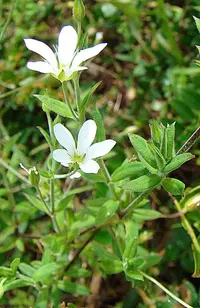
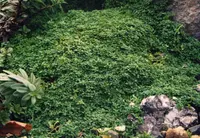
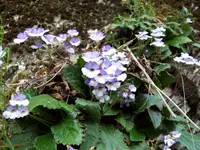
Mossy sandwort (Arenaria balearica) is a low, mat-forming perennial often used as a living carpet between stones, pavers, or in rock gardens. It forms dense, bright green cushions covered in tiny leaves and delicate white star-shaped flowers in the growing season.

This species is native to rocky, shaded habitats in the western Mediterranean, including the Balearic Islands and parts of Italy and Corsica. Its creeping growth habit allows it to fill small gaps and create a soft, moss-like effect without being a true moss.

Arenaria balearica prefers cool, moist conditions, light shade, and well-drained but consistently damp soil. Gardeners who understand how to care for Mossy Sandwort usually find it manageable, though it can struggle in hot, dry sites.

Main Plant Requirements

Care Difficulty

Moderate Care

Light Preference

Partial Shade

Water Requirements

Keep Soil Moist

Temperature Preference

Cool Climate

Hardiness Zone

6–9

Soil Texture

Loamy, Sandy, Organic-rich

Soil pH

Acidic (5.5–6.5), Slightly acidic (6.5–7.0)

Soil Drainage

Moist but well-drained

Fertilization

Minimal (feed rarely)

Get Personalized Care Plan

Scan your plant to receive care tips personalized for your specific plant

Available on iOS and Android

How to Care for the Mossy Sandwort

This low mat-forming groundcover prefers cool, soft light rather than intense direct sun.

  • Provide 3–5 hours of bright, indirect light or gentle morning sun, with dappled or filtered light for the rest of the day.
  • Tolerates partial shade and performs well in north- or east-facing exposures; strong afternoon sun in summer can scorch Mossy Sandwort and dry the soil too quickly.
  • In hot climates, increase shade from late spring to early fall, while in cooler regions it can handle more open light without leaf burn.

This species prefers consistently moist but not saturated soil, especially during active growth.

  • Allow the top 1–2 cm of soil to dry slightly, then water thoroughly so moisture reaches the full root zone without leaving standing water.
  • During spring and fall growth, watch foliage for slight dulling or loss of springiness as a sign the plant needs water; pale, limp shoots that recover after watering suggest mild underwatering.
  • In summer heat, check moisture more often, while in cool or wet seasons reduce watering to avoid soggy soil, yellowing leaves, and root rot in Arenaria balearica.

This alpine-type groundcover prefers cool, moderate conditions and dislikes extreme heat.

  • Optimal growth occurs around 55–70°F (13–21°C), with steady moisture and shelter from drying winds supporting dense foliage.
  • Mature plants tolerate short drops to about 10–15°F (-12 to -9°C) once established, but young plantings benefit from mulch to buffer freeze–thaw cycles.
  • In warmer areas, protect from prolonged heat above 80–85°F (27–29°C) by adding shade and extra humidity, as high temperatures combined with full sun can cause browning and thinning.

This species prefers moderately moist air but usually adapts to typical indoor humidity if soil moisture is stable.

  • Aim for 40–60% humidity to keep foliage dense and reduce browning of leaf tips.
  • It tolerates short periods of drier air, but extended very dry conditions can cause pale, thinned patches in the Mossy Sandwort mat.
  • Increase humidity by grouping pots, placing a water-filled pebble tray under the container, or lightly misting in the morning during very dry spells.

Arenaria balearica prefers a light, sharply drained yet moisture-retentive soil that mimics cool, rocky crevices.

  • Use a sandy loam with fine grit or coarse sand plus 20–30% compost to hold moisture without becoming heavy.
  • Ensure very free drainage; mix in horticultural grit or perlite so water runs through within a few seconds of watering.
  • Aim for slightly acidic to neutral pH, roughly 6.0–7.0, which supports steady nutrient uptake without leaf yellowing.
  • Avoid compacted, clay-rich, or waterlogged substrates, which promote root rot and cause thinning or dieback in the cushion.

This species is well suited to shallow containers, troughs, and stone pots where spreading growth can be controlled.

  • Choose a wide, shallow pot so the mat can spread horizontally while the thin roots occupy only modest depth.
  • Select unglazed terracotta or stone if extra evaporation is needed in wet climates, or glazed containers in hot, dry sites to slow moisture loss.
  • Raise the container slightly on feet or blocks so drainage holes stay clear and the creeping foliage does not sit in runoff water.

This low-growing mossy groundcover needs only light feeding for steady growth.

  • Apply a diluted balanced liquid fertilizer (for example 10-10-10 at 1/4–1/2 strength) once every 4–6 weeks during spring and early summer.
  • Use a fine, well-aged compost top-dressing in early spring instead of heavy granular products for Mossy Sandwort.
  • Skip feeding in late fall and winter when growth slows to prevent soft, weak tissue.
  • Always water before and after liquid feeds to limit root burn in shallow, fibrous roots.

Arenaria balearica benefits from light pruning to maintain a dense, tidy carpet.

  • Trim lightly with sharp scissors or snips in late spring or after flowering to keep mats even.
  • Remove dead, damaged, or yellowed patches to reduce disease risk and improve airflow.
  • Shear back sparse or straggling edges to encourage tighter side growth and filling of gaps.
  • Clean tools before use to avoid spreading fungal spores between plants.

This plant is usually grown as an outdoor groundcover, so care focuses on gentle transplanting rather than frequent repotting.

  • Transplant in early spring or early fall when temperatures are mild and moisture is reliable.
  • Lift and move small rooted patches, keeping soil attached to reduce root disturbance and stress.
  • Space divisions 10–15 cm apart into moist, well-drained soil, pressing gently to ensure good contact.
  • Water thoroughly after planting, then keep evenly moist for 2–3 weeks while roots re-establish.

Arenaria balearica is commonly propagated by division or small stem pieces taken from established mats.

  • Divide dense clumps in early spring or early fall, lifting sections that already show roots.
  • Replant divisions at the same depth into consistently moist, well-drained soil in light shade or indirect light.
  • For stem pieces, press non-woody shoots onto the soil surface and secure with small pins or bent wire until rooted.
  • Keep the area evenly moist but not waterlogged, and avoid foot traffic around new sections until growth resumes.

This evergreen mat-forming species is fairly cold hardy and usually needs minimal winter care in temperate climates.

  • In regions colder than about USDA zone 6, add a light mulch layer around the root zone after ground freezes.
  • Avoid heavy, wet mulches that smother the foliage and encourage rot.
  • For containers, move pots to a sheltered, unheated but frost-free area to reduce root freeze–thaw stress.

Care Tips

Foot-Traffic Management

Limit heavy foot traffic and place stepping stones in high-use areas so the plant can knit between them without repeated crushing of new shoots.

Edge Containment

Install a shallow plastic or metal edging 3–5 cm deep around paths or beds to prevent the mat from invading adjacent gravel, lawn, or beds where it is not wanted.

Moss and Algae Control

In very shaded, damp spots, gently lift and thin overly dense patches once a year to reduce moss and algae buildup that can smother the foliage.

Rock-Crevice Planting

When planting in rock crevices or between pavers, tuck small plugs into narrow gaps filled with fine, gritty mix and water them in from the side so roots are drawn down into the joints.

Patch Renewal

If older central areas thin out, lightly scarify the bare soil with a hand fork, top-dress with a few millimeters of fine compost and sand mix, then press surrounding shoots onto the surface to encourage them to re-root and thicken the carpet when growing Mossy Sandwort.

Common Pests and Diseases

Slugs and snails

This pest is very attracted to the dense, moist cushion of foliage and can quickly chew ragged holes through the tiny leaves and stems, especially in shaded, damp sites.

Solution

Hand-pick at night or in the early morning, use iron phosphate slug pellets according to label directions, and reduce hiding spots such as boards or thick mulch around the mat. Where possible, improve drainage and avoid constant surface wetness, as slightly drier conditions at the surface make the plant less attractive to these mollusks.

Leaf spot

This disease appears as small brown or black specks on the tiny leaves, which can merge into larger patches causing thinning and bare areas in the cushion under prolonged cool, damp conditions.

Solution

Remove and discard affected tufts to reduce spore spread, then improve air movement and avoid overhead watering so foliage does not stay wet for long periods. In persistent wet climates, a preventive application of a labeled broad-spectrum fungicide in early spring can help protect dense mats when following detailed Arenaria balearica care instructions.

Crown rot

This disease develops where the central cushion stays saturated, causing yellowing, collapse, and brown, mushy tissue at the base of the plant, often in poorly drained or compacted soils.

Solution

Dig out and discard severely affected plants, and loosen or replace heavy soil with a gritty, free-draining mix before replanting. In existing plantings, reduce irrigation frequency, avoid standing water, and slightly raise planting areas or use low mounds to keep crowns just above the surrounding soil level.

Spider mites

These insects may appear during hot, dry spells, causing fine stippling, dulling of the green foliage, and in severe cases, fine webbing across portions of the mat.

Solution

Rinse the foliage thoroughly with a firm but gentle spray of water, paying attention to the inner cushion, and repeat several times over 1–2 weeks. If infestation persists, apply an insecticidal soap or horticultural oil labeled for mites, making sure to cover all sides of the foliage while avoiding treatment during full sun or high heat.

Interesting Facts

Natural rock crevice specialist

This species naturally colonizes damp rock faces and crevices in the Balearic Islands and nearby Mediterranean regions, forming tight mats that anchor into tiny fissures and thin soil layers.

Extreme miniature leaves

The leaves are very small, often only 1–3 mm long, which reduces water loss and allows the plant to form a dense, moss-like carpet that traps moisture at the soil surface.

Cool, shaded niche

In the wild, it typically grows in cool, humid, shaded microsites such as north-facing walls and woodland rocks, avoiding direct Mediterranean sun despite coming from a warm region.

Botan icon

Did you know?

In its native range, Arenaria balearica often acts as a pioneer plant on bare, humid rock, gradually trapping organic particles and building the first thin soil layer that later supports other small ferns, mosses, and shade-loving vascular plants.

FAQs about Mossy Sandwort

This species forms a low, creeping mat that spreads slowly to moderately. It typically fills gaps between stones or pavers without overwhelming neighboring plants, but in ideal conditions it may need occasional edging to keep a defined boundary.

Grow Healthy Plants with Botan Care

Keep your plants happy and healthy with plant identification, disease detection, and easy care guidance.

Botan plant care app — identify plants on mobile

Explore More Plants