Edge Containment
Install a shallow edging strip 2–3 cm deep around beds to stop the mat from creeping into paths or lawns while still allowing the plant to knit into a dense groundcover.

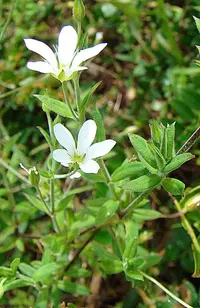
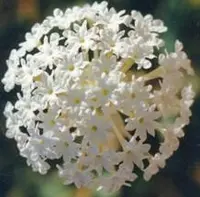
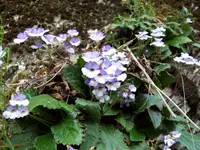
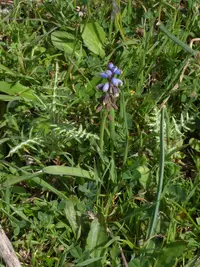
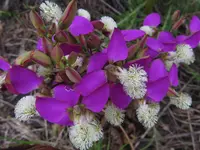
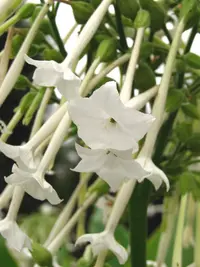
Spreading sandwort (Arenaria lanuginosa) is a low, mat-forming perennial often used as a groundcover or to soften gaps between stones and paving. It creates fine, dense foliage with small white flowers that give a delicate, moss-like look.
This species is native to rocky slopes and open areas in parts of North and Central America, where it naturally handles lean, well-drained soils. Its main appeal is a tidy, spreading habit and relatively slow, controlled growth.
The plant prefers sun to light shade and consistent but not heavy moisture, which makes care for spreading sandwort moderate rather than difficult, especially in cooler climates.

Care Difficulty
Moderate Care

Light Preference
Partial Sun

Water Requirements
Moderate Water

Temperature Preference
Cool Climate

Hardiness Zone
5–8

Soil Texture
Sandy, Loamy, Rocky

Soil pH
Acidic (5.5–6.5), Slightly acidic (6.5–7.0)

Soil Drainage
Well-drained

Fertilization
Minimal (feed rarely)
Scan your plant to receive care tips personalized for your specific plant
Available on iOS and Android
This low alpine mat prefers cool, bright conditions without intense, prolonged heat.
This species prefers consistently moist, sharply drained soil rather than cycles of drought and saturation.
This cool-climate groundcover thrives in moderate temperatures and dislikes extreme heat combined with humidity.
This species prefers relatively dry air and does not need elevated humidity.
Arenaria lanuginosa prefers mineral, sharply drained soil that stays airy around its fine roots.
This species is suitable for container growing, especially in shallow, well-drained dishes or troughs.
This alpine groundcover needs only light feeding to stay dense and healthy.
Selective pruning keeps Arenaria lanuginosa compact, floral, and tidy.
This mat-forming species is usually grown in the ground, with transplanting more common than repotting.
Arenaria lanuginosa is commonly propagated to expand groundcover patches or refresh older plantings.
This plant is fairly cold hardy but benefits from light winter care in colder regions.

Plant Health Check
Not sure what's wrong with your plant? Check your plant's health inside the app.
This species has slender stems and small, softly hairy leaves, giving the plant a fine, woolly texture that helps reduce water loss and protect tissues in exposed, sunny habitats.
Arenaria lanuginosa typically grows in open, rocky, or sandy sites in montane regions of Mexico and parts of Central America, where it experiences strong light, well-drained soils, and distinct dry periods.
The plant often forms low, spreading mats that stabilize loose substrates and create small microhabitats where moisture and organic particles can accumulate around its roots.
This species forms a low, slowly expanding mat, but is not usually aggressive. It can edge into nearby gaps over time. Occasional edging or division keeps it within bounds, especially in rock gardens or between paving stones.
Keep your plants happy and healthy with plant identification, disease detection, and easy care guidance.