Argylia radiata Care

Argylia radiata

About Argylia radiata

Argylia radiata is a perennial flowering plant from arid regions of Chile and Argentina, adapted to strong sun, poor soils, and dry conditions. It belongs to the Bignoniaceae family, the same group as many trumpet-shaped flowering vines.

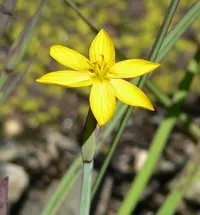
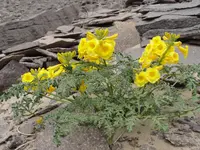
The plant forms a low, somewhat woody clump with narrow foliage and upright stems that carry tubular yellow to orange flowers. Its growth habit is compact in the ground but can stay smaller in containers.

Due to its drought tolerance and preference for strong light and well-drained, gritty soil, it is better suited to experienced growers or patient beginners. Understanding how to care for Argylia radiata starts with recreating a sunny, dry, and open habitat.

Main Plant Requirements

Care Difficulty

Moderate Care

Light Preference

Full Sun

Water Requirements

Low Water

Temperature Preference

Warm Climate

Hardiness Zone

9–11

Soil Texture

Sandy, Loamy, Rocky

Soil pH

Slightly acidic (6.5–7.0), Neutral (7.0)

Soil Drainage

Well-drained

Fertilization

Minimal (feed rarely)

Get Personalized Care Plan

Scan your plant to receive care tips personalized for your specific plant

Available on iOS and Android

How to Care for the Argylia radiata

This drought-adapted shrub prefers strong sun but benefits from some protection in very hot climates.

  • Provide 6–8 hours of direct sun daily; in hot inland areas, prioritize morning sun with light afternoon shade to reduce leaf scorch.
  • In coastal or cooler regions, Argylia radiata can tolerate full sun all day if soil does not dry to a hard crust for long periods.
  • If stems elongate weakly or flowering drops, increase light by trimming overhead shade or relocating to a more open exposure.

This species prefers a dry, well-drained root zone and is sensitive to prolonged moisture.

  • Allow the top 5–8 cm of soil to dry between waterings; in the ground, this often means thorough soaking followed by a clear dry-out period.
  • During active growth, water deeply until excess drains away, then wait until foliage looks slightly less turgid and soil is dry to the touch before repeating.
  • Reduce watering sharply in cool seasons; signs of overwatering include yellowing leaves and soft stems, while persistent wilting in dry soil signals underwatering.

This desert-adapted plant thrives in warm, dry conditions and dislikes prolonged cold or humidity.

  • Ideal growing temperatures are 70–85°F (21–29°C), with good air movement to prevent fungal issues in humid spells.
  • Plants tolerate brief drops to about 25°F (−4°C) if soil is sharply drained, but repeated frost can damage young shoots and flower buds.
  • In summer, it copes with 95–100°F (35–38°C) provided roots are mulched and not waterlogged; in colder regions, protect from hard freezes or grow in a sheltered microclimate.

This dryland species prefers low to moderate humidity and usually does not need special humidity management indoors.

  • Aim for 30–50% humidity, similar to most heated homes, as higher levels increase rot risk.
  • Plant away from persistently damp rooms like bathrooms to keep foliage and stems dry.
  • Signs of excess humidity stress include soft, pale growth and stem rot at the base; increase air movement if noticed.

Argylia radiata needs sharply drained, mineral-rich soil to prevent root and crown rot.

  • Use a sandy or gritty mix, such as 50–60% coarse sand or grit with 40–50% lean loam or cactus mix.
  • Keep drainage very fast; water must pass through in seconds, never leaving the surface muddy or sticky.
  • Target slightly alkaline to neutral pH (about 7.0–8.0); add a small amount of crushed limestone if the mix is very acidic.
  • Avoid peat-heavy, dense, or water-retentive substrates, and skip high organic content that collapses and suffocates roots over time.

This species can be grown in containers if the pot is set up to mimic a dry, free-draining rocky habitat.

  • Choose a deep, relatively narrow pot to provide vertical root run while limiting excess wet surface soil.
  • Select unglazed clay to allow faster evaporation, which helps keep the root zone dry between waterings.
  • Place a layer of coarse gravel above the drainage holes to reduce substrate loss while still letting water drain rapidly.

This dry-climate shrub grows in poor soils and usually needs only light feeding in cultivation.

  • Use a low-dose, balanced NPK fertilizer or well-matured compost in early spring to support flowering.
  • Apply at half the recommended strength to avoid salt buildup in the root zone.
  • Feed once at the start of the growing season; a second light application in midsummer is enough.
  • Stop feeding in late summer so Argylia radiata can harden growth before winter dormancy.

Pruning is mainly used to keep this shrub tidy and to remove weak growth.

  • Carry out light pruning in late winter or very early spring before new shoots emerge.
  • Remove dead, damaged, or crossing stems first to maintain an open, airy framework.
  • Shorten overly long shoots to shape the plant and encourage bushier growth and better flowering.
  • Use clean, sharp hand pruners and make cuts just above a healthy outward-facing bud.

This species is usually grown in the ground, so focus on careful transplanting rather than frequent repotting.

  • Transplant young plants in late spring once soil has warmed and frost risk has passed.
  • Look for slow growth, roots circling the pot, or quick drying soil as signs a container-grown plant needs more space.
  • Move to a only slightly larger pot or planting hole with very free-draining, sandy soil to avoid waterlogging.
  • Water thoroughly after planting, then allow the soil to dry slightly between waterings to limit root stress.

Propagation is usually done from seed, as vegetative methods are less reliable for this species.

  • Sow fresh seeds in late winter to early spring in a sharply draining, sandy mix.
  • Provide bright light, gentle warmth around 68–75°F, and only light moisture to reduce damping-off risk.
  • Cover seeds very lightly, since fine seeds need some light for better germination.
  • Once seedlings have several true leaves, pot them on carefully to avoid damaging delicate roots.

This shrub is somewhat drought-hardy but can be sensitive to hard frost in colder regions.

  • In mild climates, established plants usually overwinter outdoors with minimal intervention.
  • Apply a light, dry mulch around the root zone in late fall, keeping it away from the stem base.
  • In colder areas or containers, move plants to a bright, cool, frost-free space for winter.

Care Tips

Support long stems

Install low, sturdy wire hoops or a short trellis early in the season so the long flowering stems can lean without snapping in strong wind or under the weight of blooms.

Optimize drainage mound

In heavy or compacted soils, create a 5–10 cm raised mound or berm of the planting mix so the crown sits slightly higher than the surrounding ground, which reduces crown rot risk in wet periods.

Deep winter mulching

In regions with cold or wet winters, apply a 5–8 cm layer of coarse, mineral-rich mulch such as gravel or decomposed granite around the root zone to insulate the rootstock while keeping the crown dry.

Targeted seed collection

If you want to grow Argylia radiata from seed, bag a few maturing seed heads with fine mesh before they split to capture viable seed without losing it to wind or birds.

Pest scouting routine

During active growth, inspect stems and flower bases every 1–2 weeks for aphids or spider mites and wash them off with a firm water spray at first signs, repeating as needed before resorting to insecticidal soap.

Common Pests and Diseases

Leaf spot fungus

This disease causes small brown to dark spots on leaves, often with a yellow halo, especially in humid or poorly ventilated conditions. Symptoms include premature yellowing and drop of the affected foliage.

Solution

Remove and discard affected leaves, avoid overhead watering, and allow the soil surface to dry between waterings. Improve air circulation around the plant and, if the problem persists, apply a copper- or sulfur-based fungicide according to label directions as part of broader Argylia radiata care instructions.

Powdery mildew

This disease appears as a white to gray powdery coating on leaves and young stems during warm, dry days with cool, humid nights. Symptoms include distorted new growth and reduced flowering.

Solution

Prune out heavily affected shoots and dispose of them, then increase air movement and avoid crowding plants. If needed, use a labeled horticultural oil or potassium bicarbonate spray, applied in the evening and not during heat stress, to slow further spread.

Spider mites

These pests cause fine speckling, dulling, and eventual bronzing of the foliage, especially during hot, dry weather. This pest can also produce fine webbing between leaves and stems when populations are high.

Solution

Rinse foliage thoroughly with a strong but gentle stream of water, including the undersides of leaves, and repeat several times over 7–10 days. In persistent cases, apply insecticidal soap or a light horticultural oil, ensuring full coverage while keeping the plant out of direct hot sun until leaves dry.

Aphids

These insects cluster on young stems, buds, and the backs of leaves, sucking sap and excreting sticky honeydew. Symptoms include curled new growth, stunted shoots, and sometimes sooty mold growing on the honeydew.

Solution

Pinch or hose off visible colonies, focusing on tender shoot tips and undersides of leaves. Follow with insecticidal soap or neem oil sprays at 5–7 day intervals until populations decline, and limit excess nitrogen fertilizer that encourages soft, aphid-prone growth.

Crown rot

This disease affects the base of the stems where they meet the soil, causing soft, dark, water-soaked tissue and sudden collapse, especially in poorly drained or overwatered conditions. Symptoms include wilting despite moist soil and a foul odor at the crown area.

Solution

Discard plants with advanced rot, and for early cases, cut out affected soft tissue and replant only firm, healthy parts in sharply drained, gritty soil. Reduce watering, ensure containers have excellent drainage, and avoid mulching tightly around the crown so that the base of the plant stays dry and well aerated.

Interesting Facts

Fog-dependent desert shrub

This species is native to the extremely arid coastal deserts of northern Chile and Peru, where it relies heavily on coastal fog (camanchaca) as a crucial water source for survival.

Balloon-like fruit

After flowering, it develops distinctive inflated, ribbed capsules that resemble pale balloons and help protect the seeds until they mature and dry.

Hummingbird pollination specialist

Its long, tubular orange flowers are adapted for pollination by hummingbirds, which can reach the nectar deep inside while transferring pollen on their heads and bills.

Botan icon

Did you know?

In its native fog desert habitat, this species often grows rooted in rocky, nutrient-poor slopes, showing extreme adaptation to environments where annual rainfall may be close to zero for multiple years in a row.

FAQs about Argylia radiata

This species performs best outdoors in sunny, dry conditions similar to its native Andean habitat. Indoors, light and airflow are often insufficient. Argylia radiata indoor care is possible only with very bright light and excellent drainage.

Grow Healthy Plants with Botan Care

Keep your plants happy and healthy with plant identification, disease detection, and easy care guidance.

Botan plant care app — identify plants on mobile

Explore More Plants