Mark Dormant Tubers
After foliage dies back, place a discreet marker over each tuber location so you avoid damaging them during winter digging, mulching, or replanting nearby perennials.

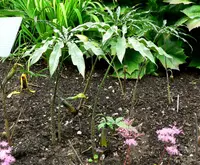
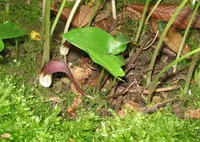
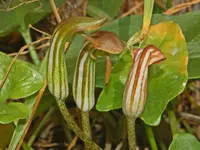
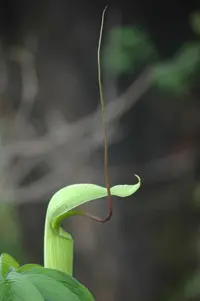
Himalayan cobra lily (Arisaema consanguineum) is a tuberous woodland perennial known for its tall, slender stems and narrow, umbrella-like whorl of leaflets. In spring to early summer it produces a hooded, cobra-shaped flower structure that often hides beneath the foliage, followed later by a spike of bright red berries.
This species is native to cool, forested slopes in the Himalayas and nearby regions, where it grows in humus-rich, moist but well-drained soil. It is considered moderately easy if its seasonal rhythm is respected, as it needs a cool, shaded site and a dry rest when dormant.
Gardeners who learn how to care for Himalayan cobra lily usually find it reliable and long-lived in suitable woodland or shade gardens.

Care Difficulty
Moderate Care

Light Preference
Partial Shade

Water Requirements
Regular Water

Temperature Preference
Cold Hardy

Hardiness Zone
5–8

Soil Texture
Loamy, Silty, Organic-rich

Soil pH
Acidic (5.5–6.5), Slightly acidic (6.5–7.0)

Soil Drainage
Moist but well-drained

Fertilization
Light (every 4–6 weeks)
Scan your plant to receive care tips personalized for your specific plant
Available on iOS and Android
This shade-loving aroid thrives in dappled woodland-style light that mimics its mountain forest habitat.
This tuberous perennial prefers evenly moist, cool soil but reacts poorly to waterlogging.
This woodland species enjoys cool to mild summers and tolerates significant winter cold when well mulched.
This species prefers consistently moist air but usually adapts to average home or garden humidity if soil moisture is stable.
Arisaema consanguineum grows best in loose, humus-rich soil that drains freely yet retains steady moisture.
This species is suitable for container growing when given a deep, stable pot and careful moisture control.
Arisaema consanguineum benefits from light, steady nutrition during active growth but resents heavy feeding.
Arisaema consanguineum needs only minimal pruning focused on hygiene rather than shaping.
This species is usually grown in the ground, so transplanting clumps or individual tubers is more common than repotting.
Arisaema consanguineum is most reliably propagated by division of dormant tubers, with seed used mainly by patient growers.
This woodland species is fairly cold hardy in much of the US but benefits from simple winter preparation during dormancy.

Plant Health Check
Not sure what's wrong with your plant? Check your plant's health inside the app.
This species can change sex between male and female phases in different years, depending on how much energy the underground tuber has stored. Smaller or stressed plants tend to flower as male, while larger, well-fed plants are more likely to produce female or bisexual inflorescences.
Its long-stalked leaves are divided into many narrow, radiating leaflets that form an umbrella-like whorl, often 15–20 or more per leaf. This gives the plant a finely textured, almost tropical look unusual among hardy woodland species.
The species is naturally found in cool to mild montane forests across the Himalayas and parts of East Asia, often in humus-rich, seasonally moist soils. Its growth cycle follows a marked seasonal rhythm, with a dormant winter tuber and active growth in the warmer, wetter months, which is important for Arisaema consanguineum care instructions.
In some wild populations, this species can form long-lived clumps from offsets produced by the underground tuber, creating small colonies that persist in the same shaded mountain slopes for many years and contribute noticeably to the spring woodland understory structure.
Lack of blooms often comes from insufficient plant maturity, energy, or rest. Young tubers may need several seasons. Crowding, nutrient-poor soil, or recent division can also delay flowering until the plant rebuilds reserves.
Keep your plants happy and healthy with plant identification, disease detection, and easy care guidance.