Tall Capeblue Care (Aristea bakeri)

Tall Capeblue

About Tall Capeblue

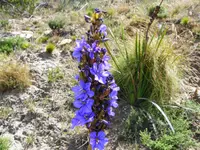
Tall capeblue, Aristea bakeri, is a clump-forming perennial from South Africa, related to irises. It grows from dense tufts of narrow, sword-like leaves and sends up slender flowering stems.

The plant is valued for its small but vivid blue flowers that open in succession, giving color over an extended period. It suits mild climates and is often used in mixed borders, rock gardens, or naturalistic plantings.

Aristea bakeri prefers sun, moderately moist but well-drained soil, and benefits from protection from hard frost. Once its basic needs are understood, it is relatively straightforward to care for Tall Capeblue in suitable climates.

Main Plant Requirements

Care Difficulty

Moderate Care

Light Preference

Full Sun

Water Requirements

Moderate Water

Temperature Preference

Warm Climate

Hardiness Zone

9–11

Soil Texture

Sandy, Loamy, Organic-rich

Soil pH

Acidic (5.5–6.5), Slightly acidic (6.5–7.0)

Soil Drainage

Well-drained

Fertilization

Minimal (feed rarely)

Get Personalized Care Plan

Scan your plant to receive care tips personalized for your specific plant

Available on iOS and Android

How to Care for the Tall Capeblue

This species prefers bright, open conditions similar to its native grassland habitats, with Aristea bakeri care depending strongly on sun exposure.

  • Aim for 6–8 hours of direct sun daily, ideally with strong morning sun and lighter afternoon exposure in hotter regions.
  • Tolerates light partial shade for 2–3 hours, but flowering and compact growth decline if shaded for longer periods.
  • In hot summers, protect from intense late-afternoon sun to prevent leaf scorch, while in winter an unobstructed, south-facing exposure helps compensate for shorter days.

This plant prefers consistently moist but not saturated soil, reflecting its origin in seasonally damp habitats.

  • Allow the top 2–4 cm of soil to dry slightly between waterings, then water deeply so moisture reaches the root zone without leaving standing water.
  • Increase watering during active spring–early summer growth, reducing frequency in late summer–fall and keeping soil just barely moist when growth slows.
  • Watch for yellowing, soft leaves or a sour soil smell as signs of overwatering, and for limp, folding leaves and dry, shrinking soil as signs of underwatering in Aristea bakeri.

This species performs best in mild, frost-free climates with moderate seasonal variation.

  • Optimal growth occurs around 60–75°F (16–24°C), supporting steady leaf development and reliable flowering.
  • Tolerates brief dips to about 30°F (-1°C) if soil is well drained, but repeated or hard frosts can damage foliage and may kill young plants.
  • Handles dry heat up to 90°F (32°C) if soil moisture is maintained, though extended heat waves above this can reduce flowering and stress clumps.

This species handles a wide humidity range but grows best with slightly moist air.

  • Target 40–60% humidity for stable foliage and flowering when caring for Tall Capeblue indoors or in sheltered spots.
  • It tolerates short dry spells, but very dry heated air can cause leaf tips to brown and flower spikes to dry prematurely.
  • Increase humidity locally with a nearby pebble tray or grouping plants rather than misting, which adds little sustained moisture and can spot leaves.

Aristea bakeri prefers free-draining, light soil that mimics sandy, slightly acidic woodland or grassland conditions.

  • Use a mix of 50–60% sandy or loamy garden soil with 20–30% coarse sand and 20–30% fine bark or grit for structure.
  • Aim for slightly acidic to neutral pH around 6.0–7.0, as strongly alkaline soil can limit nutrient uptake and weaken growth.
  • Ensure very rapid drainage; avoid heavy clay or compacted substrates that hold water around the rhizomes and cause rot.
  • Improve aeration by blending in coarse perlite or pumice, especially in containers or raised beds exposed to frequent rain.

This species is suitable for container growing when the pot is prepared for fast drainage and root depth.

  • Choose a tall, narrow container so the fibrous roots can run deep while excess water moves quickly downward and out.
  • Use a heavy, stable pot material like terracotta or ceramic outdoors to prevent tall flower spikes from tipping the container in wind.
  • Raise the pot on feet or bricks so drainage holes stay clear and water does not pool under the base after rain or irrigation.

Aristea bakeri is a light feeder, so modest nutrition is enough for healthy growth and flowering.

  • Use a balanced liquid fertilizer (around 10-10-10) at 1/2 strength every 4–6 weeks during the spring–summer growing season.
  • Alternatively, apply a thin layer of fine compost around the clump once in spring, keeping it off the stems.
  • In containers, a slow-release balanced fertilizer at label rate supports Tall Capeblue without overstimulating foliage.
  • Stop feeding in fall and winter to allow natural rest and prevent weak, soft growth.

Aristea bakeri needs only light, maintenance-focused pruning to stay tidy and flowering well.

  • In late winter or early spring, remove dead or damaged leaves at the base using clean, sharp scissors or hand pruners.
  • After flowering, snip off spent flower stalks to encourage a neat clump and potential repeat blooming.
  • Thin crowded or crossing stems sparingly to improve air flow and reduce disease risk, keeping the plant’s natural shape.
  • Disinfect tools before and after use to limit the spread of fungal or bacterial problems.

Transplanting or repotting Aristea bakeri is done infrequently and should be timed to reduce stress.

  • Plan moves for early spring, just as new growth starts, so roots can re-establish quickly.
  • Check for roots circling the container, slow growth, or frequent drying as signs a potted clump needs more space.
  • Shift into a pot only 2–3 cm wider, using a free-draining mix and keeping the crown at the same depth.
  • Water thoroughly after transplanting, then keep soil slightly moist and shade the plant for a week to limit shock.

Aristea bakeri is most commonly propagated by division or seed under suitable conditions.

  • Divide established clumps in early spring, lifting carefully and teasing apart sections with several fans and healthy roots.
  • Replant divisions immediately into moist, well-drained soil, keeping crowns level with the surface to avoid rot.
  • Sow fresh seed in late winter–spring on a gritty, free-draining mix, just lightly covering the seed.
  • Maintain bright light, steady warmth around 65–75°F, and even moisture until seedlings are large enough to handle.

This species prefers mild, frost-free conditions and benefits from simple winter precautions in cooler climates.

  • In regions below about 25–30°F, grow Aristea bakeri in containers and move indoors to a bright, cool room for winter.
  • Where light frost occurs, apply a 5–8 cm mulch around the root zone, keeping material away from the crown.
  • Avoid waterlogged soil in winter; ensure sharp drainage to prevent root rot and crown damage.

Care Tips

Clump Division Timing

Divide mature clumps in late winter or very early spring just as new growth starts, lifting the whole clump, gently teasing apart fans with healthy roots, and replanting them at the same depth to maintain vigor and prevent overcrowding.

Root Zone Mulching

Apply a thin, airy mulch layer such as fine bark or pine needles around, but not touching, the fans to keep the root zone cool, suppress weeds, and reduce moisture stress without causing crown rot.

Seed Collection Management

If self-sowing is not desired, remove seed heads once the capsules begin to dry but before they fully split, or alternatively leave a selected few to ripen fully for controlled seed propagation.

Winter Drainage Control

In regions with wet winters, slightly mound or berm the planting area and avoid surrounding it with impermeable edging so excess water can run off and the rhizomes do not sit in saturated soil.

Container Rejuvenation

For container specimens, tip out the root ball every 2–3 years, slice away the outer congested roots, divide the healthiest sections, and repot into fresh mix to keep plants compact, flowering well, and easier to manage when growing Tall Capeblue.

Common Pests and Diseases

Leaf spot fungi

This disease causes small water-soaked or purple-brown spots on the narrow leaves, which may merge into larger patches under prolonged wet conditions. Symptoms include gradual yellowing and premature death of affected foliage.

Solution

Remove and discard heavily spotted leaves and any dead plant material around the clump to reduce spore sources. Improve air movement, avoid overhead watering, and if the problem repeats in wet seasons, use a preventive copper-based or chlorothalonil fungicide labeled for ornamental perennials, applying only according to label directions.

Rust

This disease produces small orange, yellow, or brown pustules mainly on the undersides of leaves, sometimes with pale or yellow areas visible from above. Infected leaves may dry and collapse early, reducing vigor and flowering.

Solution

Cut off and dispose of affected leaves as soon as pustules are seen, and keep the area around the plant clean and open to airflow. Reduce leaf wetness by watering at soil level, and in persistent cases use a labeled rust-control fungicide during humid periods while rotating products to slow resistance development.

Aphids

These insects cluster on young flowering stems and leaf bases, sucking sap and causing distortion, sticky honeydew, and sometimes sooty mold on the foliage. New growth can appear curled or stunted when colonies are heavy.

Solution

Spray colonies off with a firm stream of water and pinch off badly infested soft tips. For continued pressure, apply insecticidal soap or a light horticultural oil, coating stems and leaf bases thoroughly and repeating at 5–7 day intervals as needed, while encouraging natural predators such as lady beetles by avoiding broad-spectrum insecticides.

Thrips

These insects feed by rasping and sucking on leaves and flower stalks, leading to silvery streaks, tiny black specks, and sometimes deformed or discolored blooms. Damage is often more noticeable in hot, dry weather or in densely planted clumps.

Solution

Remove and discard heavily damaged flower stalks and thin crowded clumps to improve airflow. Use blue or yellow sticky traps to monitor adults and, if needed, apply insecticidal soap or a low-rate systemic insecticide labeled for ornamental perennials, targeting the bases of leaves and developing flower spikes.

Basal crown rot

This disease starts at the base of the fans, where symptoms include yellowing outer leaves, soft or brown tissue at the crown, and gradual collapse of individual fans, especially in poorly drained or overwatered sites. Whole clumps may thin out over time if conditions stay wet and warm.

Solution

Dig out and discard severely affected fans, and replant healthy divisions in well-drained soil or raised beds, avoiding sites that stay waterlogged. Reduce irrigation, avoid burying the crown, and if the problem occurs repeatedly, rotate the planting area and consider a soil drench with a labeled fungicide for crown and collar rots, following all safety and application guidelines.

Interesting Facts

Endemic range specialist

This species is naturally restricted to parts of the Western Cape of South Africa, where it grows in specific mountain and fynbos habitats rather than being widespread across the country.

Short-lived perennial habit

Aristea bakeri is a relatively short-lived perennial that persists for several years via its underground rhizomes, resprouting from these structures after periods of stress or dormancy.

Iris family relative

This plant belongs to the Iridaceae (iris family), sharing with its relatives the production of narrow, sword-like leaves and leaf fans emerging from a basal cluster, a trait that helps it capture light efficiently in open habitats.

FAQs about Tall Capeblue

Lack of flowers usually comes from insufficient light, depleted soil nutrients, or overcrowded clumps. Check that the plant receives strong light, is not root-bound, and gets a light, balanced fertilizer after active growth begins.

Grow Healthy Plants with Botan Care

Keep your plants happy and healthy with plant identification, disease detection, and easy care guidance.

Botan plant care app — identify plants on mobile

Explore More Plants