greater tickseed Care (Coreopsis major)

greater tickseed

About greater tickseed

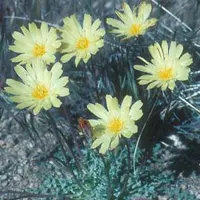
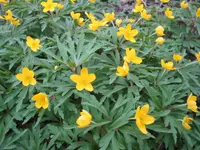
Greater tickseed (Coreopsis major) is a clump-forming perennial wildflower in the aster family, grown mainly for its bright, daisy-like yellow blooms. Plants typically form low mounds of narrow foliage, with flower stems rising above the leaves in late spring and summer.

In nature, it occurs in open woods, roadsides, and rocky slopes in the southeastern United States. This background makes it an adaptable garden plant that tolerates heat and periods of dryness once established.

It generally prefers full sun, well-drained soil, and moderate to low moisture. These traits, along with its long blooming season, make it relatively simple to care for greater tickseed in many temperate gardens.

Main Plant Requirements

Care Difficulty

Easy Care

Light Preference

Full Sun

Water Requirements

Low Water

Temperature Preference

Cold Hardy

Hardiness Zone

4–9

Soil Texture

Sandy, Loamy, Rocky

Soil pH

Acidic (5.5–6.5), Slightly acidic (6.5–7.0)

Soil Drainage

Well-drained

Fertilization

Minimal (feed rarely)

Get Personalized Care Plan

Scan your plant to receive care tips personalized for your specific plant

Available on iOS and Android

How to Care for the greater tickseed

Coreopsis major prefers bright, open conditions to produce dense flowering and sturdy growth.

  • Provide 6–8 hours of direct sun daily; morning sun with light afternoon shade is ideal in hot summer regions.
  • Plant in a spot that gets at least 4–5 hours of unfiltered light; greater tickseed tolerates light afternoon shade but may flower less.
  • Watch for stress: pale, floppy stems signal too little sun, while scorched, crispy leaf edges suggest intense, all-day exposure.

Coreopsis major prefers moderately dry conditions and is more tolerant of drought than excess moisture.

  • Allow the top 3–5 cm of soil to dry before watering; in the ground this often means waiting until the soil feels dry and crumbly at root depth.
  • During hot, dry spells, water deeply but infrequently, ensuring fast-draining soil so puddles disappear within a few minutes after watering.
  • Reduce watering in cool seasons; yellowing, mushy stems indicate overwatering, while crisp, drooping foliage that perks up after watering indicates drought stress.

This species handles a wide temperature range but flowers best in moderate warmth.

  • Active growth and best flowering occur around 65–80°F (18–27°C), with good performance through typical spring and summer conditions.
  • Mature plants tolerate winter lows near 0°F (−18°C) when well established and mulched, though new growth can be damaged by late hard frosts.
  • In hot regions, plants endure short periods of 90–95°F (32–35°C) if soil is not soggy; extended extreme heat may shorten blooming and cause leaf scorch.

This species handles typical outdoor humidity well and rarely needs special humidity management.

  • Performs reliably in 30–60% humidity, matching most temperate outdoor conditions.
  • Tolerates dry air and short heat waves if soil moisture is maintained and roots are not waterlogged.
  • Watch for leaf edges browning and prolonged wilting as signs of combined drought and very low humidity stress.
  • Group greater tickseed with other plants and mulch the soil surface to reduce evaporation around the root zone.

This plant prefers lean, well-drained soil and declines quickly in heavy, waterlogged conditions.

  • Use sandy or sandy-loam soil with a slightly gritty structure that allows water to pass through within a few minutes after watering.
  • Aim for slightly acidic to neutral pH, around 6.0–7.0, which supports nutrient availability without encouraging excess leaf growth over flowers.
  • Mix native soil with coarse sand or fine gravel and a small amount of compost to improve drainage while still supplying moderate nutrients.
  • Avoid compacted clay, peat-heavy mixes that stay wet, or any site where water pools, as Coreopsis major is prone to root rot in saturation.

This species is suitable for container growing when the pot is set up to stay fast-draining and stable.

  • Choose a relatively wide, at least 25–30 cm diameter container to accommodate its spreading clump and reduce tipping in wind.
  • Select a breathable material such as unglazed terracotta if outdoor conditions are wet, as it speeds moisture loss from the root zone.
  • Elevate the pot slightly on feet or bricks so drainage holes remain clear and excess water can escape quickly after rain or irrigation.

Coreopsis major benefits from light feeding but thrives in moderately fertile soil without heavy fertilization.

  • Use a balanced, slow-release fertilizer (for example 10-10-10) or thin compost layer in early spring as new growth emerges.
  • Feed once more in midsummer only if growth or flowering appears weak, avoiding rich soils that cause floppy stems.
  • Apply fertilizer at 1/2 strength for container plants to reduce salt buildup and root burn risk.
  • Stop feeding in late summer to allow greater tickseed to harden growth before winter dormancy.

Coreopsis major responds well to thoughtful pruning that maintains a compact, floriferous clump.

  • Deadhead spent flower stems through summer by cutting back to the next set of leaves to extend blooming.
  • Shear plants lightly by 1/3 after the main flush in midsummer to encourage fresh growth and later flowers.
  • In late fall or very early spring, remove dead, damaged, or diseased stems with clean hand pruners.
  • Thin crowded or weak shoots at the base to improve air movement and reduce foliar disease pressure.

Coreopsis major is usually grown in garden beds and is moved only when clumps become crowded or decline in vigor.

  • Transplant or divide every 3–4 years in early spring or early fall when weather is cool and soil is moist.
  • Look for signs such as bare, woody centers, slow growth, or poor flowering as indicators that division is needed.
  • Lift clumps carefully, shake off excess soil, and divide into healthy sections with several buds and roots each.
  • Replant divisions at the same depth, water thoroughly, and shade lightly for a few days to limit transplant shock.

Coreopsis major is commonly propagated by seed and by division of mature clumps.

  • Sow seeds in early spring in trays or directly outdoors, using well-drained soil and light cover for better germination.
  • Keep seed-starting medium evenly moist and in bright light at 65–75°F until seedlings emerge and strengthen.
  • Divide established clumps in early spring or early fall, choosing vigorous outer sections with firm roots and buds.
  • Replant divisions promptly, water in well, and maintain moderate moisture until new growth shows successful establishment.

Coreopsis major is generally cold hardy in much of the US and needs only modest winter preparation in the ground.

  • After hard frost, cut back dead stems to a few cm above soil level to reduce disease carryover.
  • Apply a 5–7 cm layer of mulch over the root zone in late fall, keeping it slightly away from crowns.
  • In colder zones or windy sites, consider extra mulch or leaves to buffer repeated freeze–thaw cycles, especially for young plants.

Care Tips

Shear After Bloom

Use clean shears to cut plants back by about one-third right after the first heavy flush of flowers to encourage dense regrowth and a strong second bloom later in the season.

Staggered Planting Blocks

Plant in small drifts or blocks, spacing clumps 30–40 cm apart, to help the stems support each other, reduce lodging in wind and rain, and create a more continuous floral display.

Selective Deadheading

Rather than removing every spent flower, leave some seed heads on sturdier stems for birds and potential self-seeding while still cutting back the bulk of faded blooms to keep plants tidy.

Light Mulch Management

Apply a very thin, coarse mulch layer around but not against the crowns to suppress weeds and stabilize soil moisture, then pull the mulch back slightly in late winter so new shoots are not smothered.

Clump Renewal Division

Every 3–4 years, lift and divide older clumps in early spring, replanting only the most vigorous outer sections to maintain strong flowering and long-term vigor when growing greater tickseed.

Common Pests and Diseases

Leaf spot

This disease causes small brown to purple spots on foliage that may merge into larger blotches, leading to premature leaf yellowing and drop in humid conditions.

Solution

Remove and discard heavily spotted leaves, avoid overhead watering, and space plants to improve airflow so foliage dries quickly. In regions with frequent summer rain, a preventive copper or chlorothalonil fungicide applied according to label directions can help protect new growth, and fallen debris should be cleaned up at the end of the season to reduce inoculum.

Powdery mildew

This disease produces a white, powdery coating on leaves and stems, sometimes leading to distorted growth and early decline of lower foliage, especially in crowded plantings.

Solution

Increase sun exposure and air circulation by thinning nearby plants, and water at soil level rather than on foliage. Remove the most affected leaves and, in persistent cases, use a labeled sulfur or potassium bicarbonate fungicide, applied during dry weather and following label instructions.

Aphids

These insects cluster on young stems and flower buds, sucking sap and causing distorted growth, sticky honeydew, and sometimes sooty mold on leaves.

Solution

Rinse colonies off with a firm stream of water, focusing on shoot tips and the undersides of leaves. Encourage or introduce natural enemies such as lady beetles, and if populations remain high, use insecticidal soap or a light horticultural oil, ensuring thorough coverage and avoiding application during high heat above 85°F.

Leafhoppers

These insects feed by piercing and sucking sap from leaves, leading to pale speckling, leaf tip yellowing, and sometimes transmission of leafhopper-borne diseases on Coreopsis species.

Solution

Reduce nearby tall weeds and grassy areas that harbor leafhoppers, and monitor for early signs of feeding damage in late spring and summer. If numbers become high, apply an appropriate pyrethrin or neem-based product in the evening to protect pollinators, repeating only as needed and following label directions.

Botrytis blight

This disease appears as soft, brown, water-soaked spots on flowers and stems that quickly develop gray, fuzzy mold under cool, damp conditions, resulting in collapsed blooms and stems.

Solution

Promptly remove and discard affected flowers and stems, avoid overhead irrigation, and ensure good spacing so plants dry quickly after rain. In sites with recurring problems, apply a labeled fungicide for gray mold at the first sign of symptoms and keep mulch thin around crowns to lower humidity right at plant level.

Interesting Facts

Southern Appalachian native

This species is naturally distributed in the southeastern United States, especially in the Southern Appalachian region, where it grows on open, rocky slopes, roadsides, and woodland edges rather than in dense forest shade.

Distinctive large ray florets

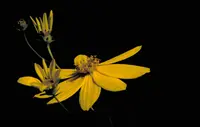
Compared with many other coreopsis species, it has notably broad, bright yellow outer florets with shallow lobes at the tips, giving each flower head a more solid, less frilly appearance.

Clump-forming perennial habit

Instead of spreading aggressively by rhizomes, this plant forms relatively tight, upright clumps from a woody crown, allowing stable stands that persist for many years in the same location.

FAQs about greater tickseed

Lack of flowers usually comes from too much shade, nutrient‑rich soil with excess nitrogen, or old, unpruned stems. Ensure full sun, avoid heavy fertilizing, and deadhead spent blooms so energy goes into forming new flower buds.

Grow Healthy Plants with Botan Care

Keep your plants happy and healthy with plant identification, disease detection, and easy care guidance.

Botan plant care app — identify plants on mobile

Explore More Plants