Armeria alliacea Care

Armeria alliacea

About Armeria alliacea

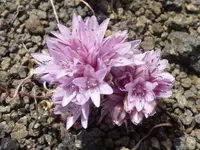
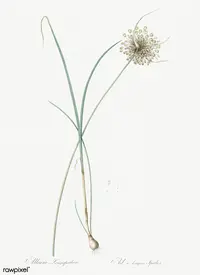
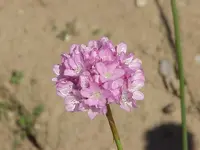
Armeria alliacea is a compact, clump-forming perennial known for its grass-like foliage and small rounded flower heads held on slender stems. It forms low cushions that suit rock gardens, edging, and coastal-style plantings.

This species is native to rocky and coastal areas, where it experiences wind, sun, and relatively poor, well-drained soils. As a result, it tends to be resilient and low-maintenance when given similar conditions.

Armeria alliacea prefers full sun, moderate moisture, and sharply drained soil, and it dislikes heavy, waterlogged ground. Understanding these natural preferences makes it easier to care for Armeria alliacea in garden settings.

Main Plant Requirements

Care Difficulty

Moderate Care

Light Preference

Full Sun

Water Requirements

Moderate Water

Temperature Preference

Cool Climate

Hardiness Zone

5–8

Soil Texture

Sandy, Loamy, Rocky

Soil pH

Slightly acidic (6.5–7.0), Neutral (7.0)

Soil Drainage

Well-drained

Fertilization

Minimal (feed rarely)

Get Personalized Care Plan

Scan your plant to receive care tips personalized for your specific plant

Available on iOS and Android

How to Care for the Armeria alliacea

This sun-loving perennial forms best flowering clumps in open, bright locations.

  • Provide 6–8 hours of direct sun daily; in hotter inland areas, morning sun with light afternoon shade reduces stress and leaf scorch.
  • In cooler coastal or northern climates, full sun all day supports compact growth and abundant blooms for Armeria alliacea.
  • Avoid deep shade, which leads to weak, floppy foliage and fewer flowers; in winter, unobstructed light helps offset short day length and low sun angle.

This species prefers drier, well-drained conditions and is sensitive to excess moisture.

  • Allow the top 3–5 cm of soil to dry before watering, then water thoroughly so it drains quickly through the root zone.
  • During cool or rainy seasons, watering may be rarely needed if natural rainfall keeps the soil slightly dry to just barely moist.
  • Watch for yellowing, soft foliage or a sulfur smell as signs of overwatering, and crisp, browning leaf tips as signs of prolonged drought stress in Armeria alliacea.

This hardy perennial copes well with cool conditions but prefers moderate temperatures for active growth.

  • Optimal growth occurs around 55–70°F (13–21°C), with flowering strongest in mild spring and early summer weather.
  • Established plants typically tolerate down to about 0°F (−18°C) with good drainage, though foliage may burn in severe freezes while the crown survives.
  • Heat up to about 85–90°F (29–32°C) is usually tolerated if soil is not waterlogged; avoid combined extreme heat and saturated soil, which increases root rot risk.

This coastal perennial tolerates a wide humidity range and rarely needs special humidity control.

Armeria alliacea prefers lean, sharply drained, sandy soil that mimics coastal conditions.

  • Use a gritty mix such as 50–70% sand or fine gravel blended with low to moderate compost content.
  • Ensure water drains in seconds, not minutes; raised beds or slopes help prevent water lingering around roots.
  • Aim for slightly acidic to neutral pH around 6.0–7.0, avoiding heavy lime application unless soil is very acidic.
  • Avoid dense clay, waterlogged spots, and rich, moisture-retentive mixes that encourage root and crown rot.

This species can grow well in containers when drainage and root conditions are tightly controlled.

  • Choose a broad, shallow pot to match its fibrous, shallow root system and prevent water pooling at depth.
  • Use a heavy, stable container or add surface gravel to keep wind from tipping over this low but tufted plant.
  • Elevate the pot on feet or bricks so drainage holes stay clear and runoff water leaves the container quickly.

This nutrient-efficient perennial needs only light feeding in average garden soil to support flowering.

  • Apply a thin layer of compost around plants in early spring to refresh poor or sandy soil.
  • During active growth, use a balanced, dilute liquid fertilizer (for example 10-10-10 at 1/2 strength) every 4–6 weeks if flowering seems weak.
  • Discontinue feeding in late summer so Armeria alliacea can harden growth before winter dormancy.
  • Avoid high-nitrogen lawn fertilizers, which encourage soft foliage instead of compact, floriferous clumps.

Light, timely pruning keeps Armeria alliacea dense and encourages repeat blooming.

  • Deadhead spent flower stalks through the growing season using clean scissors or hand pruners to prolong flowering.
  • In late summer, trim back faded flower stems at the base to maintain a compact dome-shaped mound.
  • Remove any dead, damaged, or diseased foliage whenever noticed to reduce fungal problems.
  • Every 2–3 years, lightly shear outer foliage in early spring to refresh growth without cutting into the crown.

This species is usually grown in the ground, with occasional transplanting rather than frequent repotting.

  • Plan transplanting for early spring or early fall when temperatures are mild and soil moisture is consistent.
  • Move clumps only when growth declines, the center dies out, or plants become crowded against neighbors.
  • Lift the plant with a generous soil ball, disturb roots as little as possible, and replant at the same depth in sharp-draining soil.
  • Water thoroughly after transplanting, then keep soil slightly moist for 1–2 weeks to limit transplant shock.

Armeria alliacea is most often multiplied by division or seeds under suitable conditions.

  • Divide mature clumps in early spring, slicing the crown into small sections, each with healthy roots and foliage.
  • Replant divisions immediately into well-drained, sandy soil and water lightly until established.
  • Sow fresh seeds in late summer or early spring on the surface of gritty mix; maintain light moisture and bright light.
  • For how to take care of Armeria alliacea from seed, thin seedlings to prevent crowding and transplant only after strong root development.

This hardy perennial typically needs minimal winter care in temperate climates.

  • Tolerates moderate frost once established, provided soil drainage is excellent and not waterlogged.
  • In colder regions, apply a light, dry mulch around but not over the crown after the ground cools.
  • Avoid heavy, wet mulches or standing water in winter, which greatly increases crown and root rot risk.
  • Container plants in very cold zones can be overwintered in a cold frame or unheated, bright garage.

Care Tips

Improve Winter Drainage

In cold, wet climates, mound the planting area 5–10 cm above surrounding soil or use a slightly raised rock garden bed so crowns sit high and shed winter moisture, which greatly reduces crown rot when growing Armeria alliacea.

Shear For Compactness

Right after the main flowering flush, shear back the entire tuft by about one-third with clean scissors to remove spent stalks, tighten the cushion shape, and stimulate a dense flush of new foliage and buds.

Gravel Mulch Use

Apply a 1–2 cm layer of sharp gravel or grit around the base instead of organic mulch to keep the crown dry, prevent soil splash on foliage, and mimic the plant’s natural rocky habitat.

Avoid Summer Crowding

Leave a few centimeters of open space around the foliage rosettes and avoid planting dense, taller neighbors right against them so air can move freely and leaf bases dry quickly after rain or dew.

Systematic Clump Renewal

Every 3–4 years, mark and lift older, woody clumps in early spring, discard the dead center, and replant only the vigorous outer sections to maintain strong flowering and overall vigor.

Common Pests and Diseases

Leaf spot

This disease causes small brown to dark purple spots on leaves, sometimes with a pale center, and can lead to premature yellowing and shedding of foliage.

Solution

Remove and discard affected leaves, avoid overhead watering, and water at the base early in the day to keep foliage dry. Improve air circulation around clumps and, if spotting continues, apply a copper- or chlorothalonil-based fungicide according to label directions as part of general Armeria alliacea care instructions.

Powdery mildew

This disease produces a white or gray powdery coating on leaves and stems, which can cause distortion and reduced vigor in dense clumps.

Solution

Thin crowded plants to improve airflow, avoid wetting foliage, and remove heavily infected leaves. If needed, use a sulfur or potassium bicarbonate fungicide labeled for ornamental perennials, repeating as directed until new growth appears clean.

Aphids

These insects cluster on young stems and flower stalks, sucking sap and causing curling or distortion of new growth and sticky honeydew deposits.

Solution

Spray plants with a firm stream of water to dislodge colonies, and pinch off heavily infested stems. For persistent infestations, apply insecticidal soap or a light horticultural oil, coating stems and leaf undersides thoroughly and repeating every 5–7 days as needed.

Spider mites

This pest is most common in hot, dry sites and causes fine stippling on leaves, bronzing, and, in severe cases, fine webbing between leaves and stems.

Solution

Increase humidity around plants and rinse foliage thoroughly with water, focusing on leaf undersides. For ongoing problems, use insecticidal soap or a low-rate horticultural oil, applied in the cooler part of the day and repeated several times to cover new hatchlings.

Crown rot

This disease affects the basal rosette, causing the central crown to turn brown, mushy, and collapse, often in sites with poor drainage or excessive moisture.

Solution

Improve drainage by planting in raised beds or gritty soil, and avoid overwatering or heavy mulch directly at the crown. Remove and discard severely affected plants and replant only in well-drained, low-organic, sandy or gravelly soil to reduce recurrence when you grow Armeria alliacea.

Interesting Facts

Allium‑scented foliage

When the leaves are crushed, this species releases a noticeable garlic or onion-like scent, which is reflected in the epithet alliacea, meaning allium-like. This aroma comes from sulfur-containing compounds similar to those found in true alliums.

Coastal habitat specialist

Armeria alliacea is naturally associated with coastal and rocky habitats in parts of southern Europe, where it grows in well-drained, often nutrient-poor soils. Its compact growth and dense root system help it withstand wind exposure and periodic drying typical of seaside environments.

Insect‑friendly flower heads

The globular flower clusters of this species provide a concentrated nectar and pollen source for small bees, hoverflies, and other pollinators. Its extended blooming period in mild climates supports early and mid-season insect activity.

FAQs about Armeria alliacea

This species is a perennial, forming evergreen or semi-evergreen clumps that return each year from the same root system. Individual rosettes may decline over time, but the overall clump persists and can slowly expand.

Grow Healthy Plants with Botan Care

Keep your plants happy and healthy with plant identification, disease detection, and easy care guidance.

Botan plant care app — identify plants on mobile

Explore More Plants