Armeria malinvaudii Care

Armeria malinvaudii

About Armeria malinvaudii

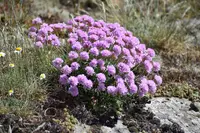
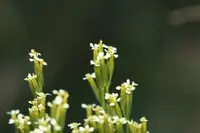
Armeria malinvaudii is a compact, clump-forming perennial closely related to sea thrift. It typically forms low cushions of narrow, grass-like leaves with short stems bearing small, rounded clusters of pink to purple flowers. This species is native to specific coastal and rocky habitats in parts of Europe, where it grows in thin, well-drained soils with good light exposure.

The plant stays low and neat, which suits rock gardens, edging, and troughs. It is generally considered hardy but needs sharp drainage and dislikes heavy, waterlogged substrates. Once established, it tolerates some dryness and poor soil, which makes it easier to care for Armeria malinvaudii in suitable outdoor conditions.

Main Plant Requirements

Care Difficulty

Moderate Care

Light Preference

Full Sun

Water Requirements

Low Water

Temperature Preference

Cold Hardy

Hardiness Zone

5–8

Soil Texture

Sandy, Loamy, Rocky

Soil pH

Acidic (5.5–6.5), Slightly acidic (6.5–7.0)

Soil Drainage

Well-drained

Fertilization

Minimal (feed rarely)

Get Personalized Care Plan

Scan your plant to receive care tips personalized for your specific plant

Available on iOS and Android

How to Care for the Armeria malinvaudii

This compact perennial prefers bright conditions and thrives best in open, sunny sites.

  • Provide 6–8 hours of direct sun daily; in hot inland climates, favor strong morning sun with light afternoon shade to reduce leaf scorch.
  • In coastal or cooler regions, full sun all day supports dense foliage and abundant flowering for caring for Armeria malinvaudii outdoors.
  • Avoid deep shade; stems elongate, flowering drops, and clumps open up when the plant receives fewer than 4 hours of direct light.

This species prefers slightly dry, free-draining conditions rather than constant moisture.

  • Allow the top 3–5 cm of soil to dry between waterings; foliage should feel firm, not limp, before watering again.
  • In spring and early summer, water after dry spells if the soil is dusty and leaves begin to lose turgor; reduce watering in cooler fall periods.
  • Use sharply drained, gritty soil to prevent waterlogging; yellowing lower leaves, soft crowns, and a sour soil smell indicate overwatering risk for Armeria malinvaudii.

This hardy perennial tolerates a wide temperature range but grows best in moderate conditions.

  • Optimal growth occurs around 55–70°F (13–21°C), especially during spring and early summer flowering.
  • Established plants tolerate winter down to about 10–15°F (-12 to -9°C) with good drainage; prolonged soil saturation in cold conditions increases crown rot risk.
  • In summer, the plant manages short periods up to 85–90°F (29–32°C); during heat waves, light afternoon shade and avoiding reflected heat from walls or pavement help reduce stress.

This coastal perennial tolerates a wide humidity range and rarely needs special humidity management.

This species prefers lean, sharply drained soil that mimics coastal, sandy habitats.

  • Use gritty, sandy or sandy-loam soil with at least 40–50% mineral content such as coarse sand or fine gravel.
  • Aim for slightly acidic to neutral pH, roughly 6.0–7.5, avoiding strongly alkaline or salty substrates.
  • In heavy or clay soils, build a raised, sloped bed and mix in coarse sand or grit to improve drainage and aeration.
  • Avoid rich, peat-heavy mixes or waterlogged spots, which cause root rot and reduce flowering in Armeria malinvaudii.

This compact species is well suited to container growing outdoors.

  • Choose a wide, shallow pot to match the shallow, tufted root system and prevent excess moisture in deep soil layers.
  • Use a very free-draining, gritty mix and raise the container slightly on pot feet to ensure rapid runoff after rain or watering.
  • Select a heavier material such as terracotta or stone to keep light, top-dressed containers stable in strong wind.

This compact perennial from lean, coastal-style habitats needs only light feeding to stay healthy.

  • Use a low-dose balanced NPK fertilizer or thin layer of compost in early spring to support flowering of Armeria malinvaudii.
  • Apply once at the start of the main growing season; avoid repeated, heavy feedings that cause lush, weak growth.
  • Dilute liquid feeds to 25–50% strength and apply to moist soil, never to dry roots.
  • Do not fertilize in late fall or winter when growth slows or stops.

Pruning is mainly used to keep this tufted plant tidy and to sustain strong flowering.

  • Deadhead spent flower stalks through the growing season to encourage new blooms and a compact mound.
  • In late summer or early fall, trim back faded foliage lightly to refresh growth without cutting into the crown.
  • Remove any dead, diseased, or damaged leaves and stems promptly with clean, sharp scissors or snips.
  • Avoid hard pruning; Armeria malinvaudii maintains its natural cushion shape with only light, selective cuts.

This species is most often grown in the ground, with container plants needing only infrequent repotting.

  • Transplant or repot in early spring when new growth starts, choosing a cool, overcast day to limit stress.
  • Check for roots circling the pot, slow growth, or quick drying soil as signs a container plant needs a larger home.
  • Move into a slightly wider pot with very free-draining, gritty soil, keeping the crown at the same level.
  • Handle the root ball gently, loosen only lightly, water once to settle soil, then keep on the dry side as it re-establishes.

Propagation is usually done by division or seed to maintain healthy clumps over time.

  • Divide mature Armeria malinvaudii clumps in early spring, lifting and splitting into small sections with several shoots and roots.
  • Replant divisions into gritty, sharply drained soil, spacing so air circulates between new plants.
  • Sow seeds in late winter–early spring in trays with sandy mix, barely covering and keeping just moist, not wet.
  • Provide bright light, 60–68°F temperatures, and good air flow to promote steady rooting or germination.

This hardy perennial tolerates typical temperate winters with minimal intervention when drainage is good.

  • In cold climates down to about 0°F, ensure soil is sharply drained to prevent crown rot in winter wet.
  • Apply a light gravel or coarse sand mulch around, not over, the crown to keep the base dry.
  • Leave evergreen foliage in place as natural insulation, trimming only dead material in late winter.
  • For container plants in very cold regions, move pots to a sheltered, unheated spot to avoid waterlogged, frozen roots.

Care Tips

Encourage Compact Clumps

Shear back the spent flower stems and top 2–3 cm of foliage right after the main bloom flush to keep the plant dense and to promote a second, lighter flowering later in the season.

Improve Winter Drainage

In climates with wet winters, plant on a low mound or raised bed with added grit so the crown stays slightly elevated, which helps prevent rot when soils stay cold and damp.

Use Gritty Mulch

Top-dress around the clumps with a 1–2 cm layer of sharp grit or fine gravel instead of organic mulch to keep the crown dry, reduce weed competition, and protect the foliage from soil splash.

Refresh Aging Plants

Every 3–4 years, lift and gently divide oversized or thinning clumps in early spring, discarding woody centers and replanting only the firm, outer sections to maintain vigor when growing Armeria malinvaudii.

Protect From Competition

Site plants away from aggressive groundcovers and install a 5–8 cm deep gravel strip around the planting area so the shallow roots do not have to compete heavily for moisture and nutrients.

Common Pests and Diseases

Leaf spot

This disease causes small brown or purplish spots on leaves that may merge and lead to partial dieback of foliage, especially in humid or poorly ventilated conditions. Symptoms include weakened clumps and reduced flowering over time.

Solution

Remove and discard affected leaves to reduce inoculum, avoid overhead watering, and water early in the day so foliage dries quickly. Improve air circulation around the plant, space clumps well, and if the problem persists, use a labeled ornamental fungicide as a preventive spray in damp periods, following all instructions carefully.

Rust

This disease produces orange to brown powdery pustules on the undersides of leaves, often with yellowing areas on the upper surfaces. Symptoms include premature leaf drop and general decline in vigor when conditions stay moist and cool.

Solution

Cut off and discard infected foliage, keeping the crown as clean as possible, and avoid wetting leaves when watering. Increase sun exposure and airflow if possible, and apply a suitable rust-control fungicide on remaining healthy foliage when conditions favor disease, rotating products if used repeatedly.

Spider mites

These insects feed on leaf surfaces, causing tiny pale speckles, dull foliage, and in severe cases fine webbing between leaves and flower stems. This pest is more common in hot, dry, sheltered sites or in containers on sunny patios.

Solution

Spray foliage thoroughly with a strong stream of water to dislodge mites, paying attention to leaf undersides, and repeat several times per week during outbreaks. Maintain slightly higher humidity around the plant, avoid drought stress, and if needed use insecticidal soap or horticultural oil, applying in the morning and avoiding high-heat periods.

Aphids

These insects cluster on young stems and flower stalks, sucking sap and causing distorted growth and sticky honeydew on foliage and nearby surfaces. This pest can also attract sooty mold fungi that darken leaves and reduce photosynthesis.

Solution

Crush or rinse off small colonies by hand or with a firm water spray, and encourage natural predators such as lady beetles by avoiding broad-spectrum insecticides nearby. For heavier infestations, use insecticidal soap or a light horticultural oil, repeating at 5–7 day intervals until new growth appears clean; this fits well within practical Armeria malinvaudii care instructions.

Interesting Facts

Endemic French species

This species is naturally restricted to a small area in west-central France, mainly in the Limousin region, and does not occur naturally outside this limited range.

Granite rock specialist

It typically grows in shallow, acidic soils over granite outcrops, often in rocky grasslands and open, wind-exposed sites where few other flowering plants can persist.

Conservation concern status

Due to its narrow distribution and habitat pressures, it has been assessed as threatened in regional French Red Lists and is considered of conservation concern in its native range.

FAQs about Armeria malinvaudii

This species usually flowers from late spring into early summer, often with a second lighter flush later. Individual blooms last 1–2 weeks, but regular deadheading can keep the overall display attractive for several weeks.

Grow Healthy Plants with Botan Care

Keep your plants happy and healthy with plant identification, disease detection, and easy care guidance.

Botan plant care app — identify plants on mobile

Explore More Plants