Improve Winter Drainage
In cold, wet climates, plant on a low berm or in a rock garden pocket filled with gravelly mix so crowns stay above the wettest soil through winter, which greatly reduces crown rot losses when growing Armeria multiceps.

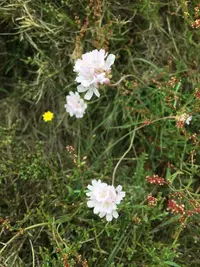
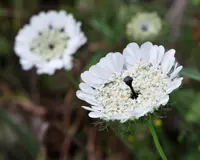
Armeria multiceps is a compact perennial often grown as a rock garden or edging plant. It forms dense, low cushions of narrow grass-like leaves. Above this foliage, slender stems carry rounded clusters of small pink flowers, creating a tidy, mound-forming habit suited to sunny, well-drained sites. Native to specific coastal or rocky regions, it is adapted to lean, often sandy or gritty soils.
This species is generally considered easy to moderate to grow, as it dislikes heavy, wet conditions and needs good drainage to prevent root problems. Once established, it tolerates some dryness and benefits from full sun. Gardeners who learn how to care for Armeria multiceps usually find it a durable, low-maintenance choice for borders, containers, and alpine plantings.

Care Difficulty
Moderate Care

Light Preference
Full Sun

Water Requirements
Low Water

Temperature Preference
Cold Hardy

Hardiness Zone
4–8

Soil Texture
Sandy, Loamy, Rocky

Soil pH
Acidic (5.5–6.5), Slightly acidic (6.5–7.0)

Soil Drainage
Well-drained

Fertilization
Minimal (feed rarely)
Scan your plant to receive care tips personalized for your specific plant
Available on iOS and Android
This compact alpine perennial performs best in bright, open conditions with strong sun exposure.
This species prefers slightly dry, very free-draining conditions rather than constant moisture.
This hardy perennial tolerates a wide temperature range but grows best in mild to cool conditions.
This coastal perennial prefers relatively dry air and does not need elevated humidity indoors or outdoors.
Armeria multiceps needs lean, sharply drained soil that never stays waterlogged.
This species can grow well in small containers and troughs if drainage is extreme.
This coastal perennial stays compact and flowers well with only light, targeted feeding.
Pruning helps keep this compact mound tidy and encourages prolonged flowering.
This species is usually grown in rock gardens or borders, with only occasional need for transplanting or repotting.
This plant is most commonly propagated by division, with seeds as a secondary option.
This hardy perennial usually needs minimal winter care in most temperate climates.

Plant Health Check
Not sure what's wrong with your plant? Check your plant's health inside the app.
This species is naturally restricted to Atlantic coastal cliffs and dunes of Morocco and Western Sahara, where it endures salty spray, strong winds, and shifting sandy or rocky substrates.
The plant forms dense cushion-like tufts with narrow, tough leaves that reduce water loss and allow survival in exposed, saline, low-nutrient sites close to the ocean.
Unlike many related sea thrifts, this species typically stays very low and tight to the ground, a growth form that minimizes wind damage and abrasion from blown sand in its native habitat.
Lack of flowers usually comes from too much fertility, heavy or wet soil, or plants becoming crowded and old. Avoid rich fertilizers, improve drainage, and divide congested clumps every few years to restore flowering.
Keep your plants happy and healthy with plant identification, disease detection, and easy care guidance.