Nepeta tuberosa Care

Nepeta tuberosa

About Nepeta tuberosa

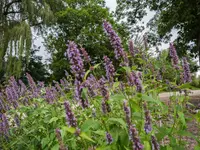
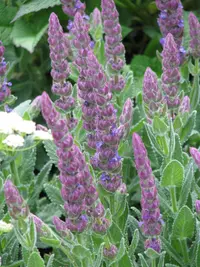
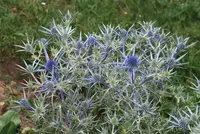
Nepeta tuberosa is a perennial herb from dry, rocky regions of the Mediterranean, belonging to the mint family Lamiaceae. It forms upright clumps with square stems and aromatic foliage. In summer it produces dense spikes of small tubular flowers that attract bees and other pollinators, giving good value in wildlife-friendly plantings.

This catmint relative is generally tough and drought-tolerant once established, making it suitable for low-maintenance gardens and sunny borders. It prefers well-drained soil and full sun, and tolerates poor, stony ground. These traits make it relatively straightforward to care for Nepeta tuberosa in suitable climates.

Main Plant Requirements

Care Difficulty

Easy Care

Light Preference

Full Sun

Water Requirements

Low Water

Temperature Preference

Cold Hardy

Hardiness Zone

5–9

Soil Texture

Sandy, Loamy, Rocky

Soil pH

Slightly acidic (6.5–7.0), Neutral (7.0)

Soil Drainage

Well-drained

Fertilization

Minimal (feed rarely)

Get Personalized Care Plan

Scan your plant to receive care tips personalized for your specific plant

Available on iOS and Android

How to Care for the Nepeta tuberosa

This sun-loving perennial thrives in open, bright garden positions with moderate summer heat.

  • Provide 6–8 hours of direct sun daily; morning sun with light afternoon shade is ideal in hotter regions to prevent leaf scorch.
  • Tolerates light partial shade (3–4 hours sun), but Nepeta tuberosa flowers more heavily and grows denser foliage in full sun.
  • In summer, avoid reflected heat from south-facing walls; in winter, choose a site with maximum sun to support strong regrowth next season.

This plant prefers infrequent, deep watering and dries slightly between soakings.

  • Water when the top 3–5 cm of soil is dry, soaking the root zone thoroughly, then allow excess to drain away.
  • Use well-drained, gritty or loamy soil; persistent wetness, yellowing leaves, and soft stems indicate overwatering and possible root rot risk.
  • In cool, rainy seasons reduce or skip watering; in hot, dry spells increase frequency if foliage wilts and the soil dries within 1–2 days.

This hardy perennial copes well with seasonal temperature changes when soil drainage is good.

  • Active growth is strongest around 60–75°F (16–24°C), with good performance in typical spring and early summer conditions.
  • Established plants usually tolerate down to about 5–10°F (-15 to -12°C); mulch crowns in colder areas to protect roots from repeated freeze–thaw.
  • Handles dry heat up to about 90–95°F (32–35°C) if soil is not waterlogged; prolonged extreme heat with high humidity can reduce flowering and vigor.

This species thrives in relatively dry air and does not need special humidity control.

Nepeta tuberosa prefers lean, well-drained soil that avoids prolonged moisture around the roots.

  • Use a sandy or sandy-loam mix with moderate organic matter, such as 2 parts garden soil, 1 part coarse sand, and 1 part compost.
  • Ensure rapid drainage; water should pass through the substrate quickly without pooling on the surface or in the saucer.
  • Target a slightly alkaline to neutral pH around 7.0–7.8, amending acidic soil with a small amount of garden lime if needed.
  • Improve aeration and structure in heavy clay by incorporating coarse sand or fine gravel to at least the top 15–20 cm.

This species can be grown successfully in containers outdoors when drainage and stability are managed carefully.

  • Choose a deep, moderately wide pot to accommodate its taproot-like system and reduce tipping in windy sites.
  • Select a heavier material such as ceramic or thick terracotta to anchor upright growth and limit overheating of the root zone.
  • Elevate the pot slightly on risers so drainage holes remain unobstructed and excess water clears quickly after rainfall or irrigation.

This perennial herb tolerates lean soil but responds to light feeding during active growth.

  • Apply a balanced, slow-release fertilizer (around 10-10-10) once in early spring as new growth starts.
  • Use a light top-dressing of compost in late spring to support flowering without excessive foliage growth.
  • During summer, supplement with a half-strength liquid balanced feed every 4–6 weeks if growth appears weak.
  • Stop all feeding in late fall and winter, as Nepeta tuberosa enters dormancy and excess nutrients can stress roots.

Thoughtful pruning keeps Nepeta tuberosa compact, floriferous, and tidy.

  • In late winter or very early spring, remove dead, damaged, or diseased stems with clean, sharp pruners.
  • After the main flowering flush, shear back spent flower spikes by one-third to encourage a second bloom and denser growth.
  • Thin crowded stems at the base during the growing season to improve air circulation and reduce disease risk.
  • Deadhead individual spent blooms during peak season if time allows, focusing on the longest or floppiest stems.

This species is usually grown in the ground, so focus on careful outdoor transplanting rather than frequent repotting.

  • Transplant in early spring or early fall, when temperatures are moderate and soil is workable.
  • Identify plants needing a move by congested clumps, weak central growth, or poor flowering despite good light.
  • Lift the clump with a spade, keeping a generous soil ball, and disturb roots as little as possible to limit stress.
  • Replant at the same depth in well-drained soil, water thoroughly, then keep evenly moist for 1–2 weeks while roots establish.

Nepeta tuberosa is commonly propagated by division, cuttings, or seeds under suitable conditions.

  • Divide mature clumps in early spring or early fall, replanting chunky sections with healthy shoots and roots.
  • Take 7–10 cm softwood cuttings in late spring, remove lower leaves, and root in a moist, free-draining mix under bright, indirect light.
  • Sow seeds in late winter to early spring on the surface of a light seed mix, keeping 65–70°F and consistent moisture.
  • Provide good air movement, bright light, and avoid overwatering young plants to reduce damping-off and encourage sturdy growth.

This hardy perennial usually needs minimal winter attention in most temperate climates.

  • Tolerates typical garden frosts once established, provided soil drains well and does not stay waterlogged.
  • After the first hard frost, cut back dead stems to 5–8 cm to reduce disease carryover and tidy the clump.
  • Apply a light mulch layer around, not over, the crown in colder regions to buffer temperature swings, especially for first-year plants.

Care Tips

Encourage Bushy Growth

Lightly pinch back soft stem tips in late spring to early summer to promote a denser, more compact plant and reduce lodging in windy sites.

Use Gravel Mulch

Apply a 1–2 in layer of coarse grit or small gravel around the crown to keep stems dry at the base, reduce slug pressure, and protect roots from winter wet.

Plan for Division

Divide clumps every 3–4 years in early spring, replanting only the vigorous outer sections to maintain flowering performance and prevent center dieback.

Support in Exposed Sites

In windy or exposed gardens, install low, discreet hoops or a short ring support around the clump in spring so stems grow through and remain upright without flopping.

Staggered Deadheading

Shear back only a portion of the spent flowering stems at a time to extend the overall bloom period while still leaving nectar for pollinators, which is useful when caring for Nepeta tuberosa in wildlife-friendly gardens.

Common Pests and Diseases

Aphids

These insects cluster on young shoots and flower spikes, sucking sap and causing distortion, sticky honeydew, and sooty mold growth. This pest is often encouraged by lush, nitrogen-rich growth and sheltered, warm spots.

Solution

Blast colonies off stems and buds with a firm stream of water, then inspect weekly during active growth. If needed, treat with insecticidal soap or a light horticultural oil, and reduce excess nitrogen fertilization to limit soft, aphid-prone growth while growing Nepeta tuberosa.

Powdery mildew

This disease appears as a white, powdery coating on leaves and stems, often starting on lower or inner foliage in warm, dry conditions with poor air movement. Symptoms include yellowing, leaf distortion, and premature leaf drop if the infection is heavy.

Solution

Thin or divide crowded clumps to improve airflow, avoid overhead watering, and remove and discard heavily infected foliage. In persistent cases, apply a sulfur or potassium bicarbonate fungicide labeled for ornamental perennials at the first sign of mildew and repeat as directed.

Spider mites

These pests are tiny sap-feeding mites that thrive in hot, dry weather, causing fine stippling, bronzing, and a dull, dusty look on leaves, often with light webbing between stems and foliage. This pest can cause leaf drop and overall decline if left unchecked.

Solution

Increase humidity around plants with occasional hosing, and regularly spray the undersides of leaves with a strong jet of water to dislodge mites. For ongoing infestations, use insecticidal soap or a horticultural oil directed at leaf undersides, repeating at 5–7 day intervals until new growth appears clean.

Leaf spot

This disease causes small brown, tan, or purplish spots on leaves that may expand, merge, and lead to partial dieback of foliage, particularly in humid, wet spells. Symptoms include thinning of the plant canopy and reduced flowering when infections are severe.

Solution

Remove and discard affected leaves promptly and avoid wetting foliage by watering at the base in the morning. Improve air circulation by spacing plants appropriately, and if needed apply a copper- or chlorothalonil-based fungicide at the first sign of spotting during wet periods.

Slugs and snails

These pests chew irregular holes in young leaves and can severely damage new shoots emerging in spring, especially in damp, shaded conditions. Symptoms include shredded foliage, missing tips, and silvery slime trails on and around plants.

Solution

Hand-pick slugs and snails in the evening, use beer traps or rough barriers like crushed eggshells around clumps, and reduce hiding places such as dense mulch or boards on the soil surface. In high-pressure areas, apply iron phosphate slug pellets labeled for garden use, following label directions carefully.

Interesting Facts

Tuber-forming catmint

Unlike many other Nepeta species, Nepeta tuberosa develops underground tubers that act as storage organs, helping the plant survive dry Mediterranean summers and resprout reliably each year.

Late-summer pollinator resource

This species often flowers later in the season than common catmint relatives, providing nectar and pollen for bees, butterflies, and other insects when many earlier-flowering plants have already declined.

Tall, architectural spikes

In suitable conditions, this plant forms unusually tall, upright flowering spikes for a Nepeta, creating a strong vertical accent in dry, sunny plantings and contrasting with lower-growing catmints.

Botan icon

Did you know?

Historical accounts from Mediterranean regions describe Nepeta tuberosa as persisting for many years in old, neglected gardens, indicating a high level of drought tolerance and longevity under low-maintenance conditions.

FAQs about Nepeta tuberosa

This species forms loose clumps and can self-seed, but it is not usually aggressive. In normal garden conditions it stays fairly contained, especially if spent flower stems are cut before seeds mature and disperse.

Grow Healthy Plants with Botan Care

Keep your plants happy and healthy with plant identification, disease detection, and easy care guidance.

Botan plant care app — identify plants on mobile

Explore More Plants