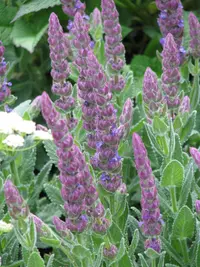
Madonna flower Care (Artedia squamata)

Madonna flower

About Madonna flower

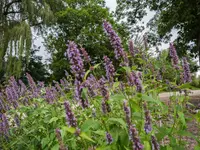
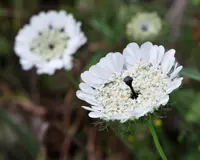
Madonna flower, Artedia squamata, is an annual umbellifer related to plants like Queen Anne’s lace. It forms delicate, lacy flower clusters surrounded by dark, star-like bracts. The plants stay relatively low and airy, giving a light, transparent effect in borders or meadow-style plantings.

Artedia squamata is native to parts of the eastern Mediterranean and western Asia, where it grows in open, sunny, often rocky places. It is generally considered easy from seed if given well-drained soil and full sun, which helps when learning how to care for Madonna flower.

Main Plant Requirements

Care Difficulty

Moderate Care

Light Preference

Full Sun

Water Requirements

Moderate Water

Temperature Preference

Cool Climate

Hardiness Zone

7–9

Soil Texture

Sandy, Loamy, Rocky

Soil pH

Slightly acidic (6.5–7.0), Neutral (7.0)

Soil Drainage

Well-drained

Fertilization

Minimal (feed rarely)

Get Personalized Care Plan

Scan your plant to receive care tips personalized for your specific plant

Available on iOS and Android

How to Care for the Madonna flower

This Mediterranean annual prefers bright, open conditions with steady sun exposure for strong flowering.

  • Provide 6–8 hours of direct sun daily; in hotter regions, give morning sun with light afternoon shade to prevent scorching of leaves and bracts on Madonna flower plants.
  • Tolerates light partial shade (3–4 hours sun), but flowering and stem strength decrease if grown in too much shade.
  • In early spring, full sun is ideal; in midsummer heat, monitor for leaf crisping and use nearby taller plants or light shade cloth as seasonal protection.

This species prefers evenly moist but never waterlogged soil, especially during active growth and flowering.

  • Water when the top 3–5 cm of soil feels dry, soaking the root zone deeply, then let excess drain away to avoid standing water.
  • Use sharply drained, sandy or loamy soil; yellowing, soft stems and a sour smell suggest overwatering, while drooping, thin leaves and dry, pale soil indicate underwatering in Artedia squamata.
  • In spring and early summer, check soil moisture more often; reduce watering once flowering declines and growth slows toward late season, especially in cooler or wetter climates.

This plant favors mild, dry-summer conditions and does best without extremes of heat or cold.

  • Aim for 60–75°F (16–24°C) during active growth; short spikes up to 80–85°F (27–29°C) are tolerated if soil moisture is stable and roots are not waterlogged.
  • Avoid frost; growth is damaged near 32°F (0°C), so sow or plant out only after the last frost date and protect seedlings from unexpected cold snaps.
  • In very hot inland summers above 85–90°F (29–32°C), combine slightly earlier watering with light afternoon shade and good air movement to limit stress and flower drop.

This species tolerates a wide humidity range but benefits from moderately dry air similar to open, sunny sites.

  • Aim for 30–50% humidity, typical of most heated homes, as higher levels are unnecessary for Madonna flower.
  • Low humidity rarely harms the plant, but combined with heat it can cause faster wilting and crisp leaf edges.
  • Increase local humidity only in very arid rooms by grouping plants together or placing a shallow water tray nearby, without wetting the roots.

Artedia squamata prefers light, well-drained soil that mimics its native, open habitats.

  • Use a sandy or gritty loam with moderate organic matter to keep the root zone aerated and prevent compaction.
  • Ensure sharp drainage; aim for a mix such as 50–60% sandy topsoil, 20–30% coarse sand or grit, and 10–20% compost.
  • Target slightly alkaline to neutral pH around 7.0–7.8, avoiding strongly acidic mixes rich in peat alone.
  • Improve drainage on heavier ground by raising the planting area and blending in coarse sand or fine gravel through the top 20–25 cm.

This species can be grown in containers if the pot is set up to drain rapidly and avoid waterlogging.

  • Choose a container at least 25–30 cm deep so the taproot can extend without circling tightly near the base.
  • Use a terracotta pot or other porous material to let the mix dry between waterings and lower the risk of root rot.
  • Stabilize tall stems by using a wider, heavier pot or adding top gravel so wind or accidental bumps do not tip the container.

Artedia squamata grows in relatively lean soils, so only light fertilization is needed for healthy growth.

  • Use a balanced, dilute liquid fertilizer (for example 10-10-10 at 1/2 strength) or fine compost tea during active spring–summer growth.
  • Apply fertilizer every 4–6 weeks while plants are in active leaf, skipping doses if growth remains strong.
  • Avoid feeding during fall and winter dormancy to prevent weak, tender growth.
  • For Madonna flower in poor soils, a small amount of slow-release granular fertilizer scratched into the surface in spring is sufficient.

Artedia squamata benefits from light, targeted pruning to keep plants tidy and flowering well.

  • Time pruning for late winter or very early spring before new growth emerges.
  • Remove dead, diseased, or damaged stems first, then thin crowded shoots to improve air flow and light penetration.
  • Use clean, sharp scissors or hand pruners, cutting just above a node to reduce stress and promote branching.
  • Deadhead spent flower stems to keep the plant compact and encourage a longer display of blooms.

This species is more often grown in garden beds than containers, so focus on careful transplanting rather than frequent repotting.

  • Transplant in early spring after frost risk has passed, when soil is workable and mild.
  • Look for signs like roots circling a nursery pot, drying out very fast, or noticeably slowed growth before moving the plant.
  • Shift into a slightly larger container or garden spot with well-drained, loose soil to limit root disturbance.
  • Water thoroughly after transplanting, provide light shade for 3–5 days, and keep soil evenly moist to reduce transplant shock.

Artedia squamata is most commonly propagated from seed rather than vegetative methods.

  • Sow fresh seeds in late fall or very early spring to match the plant’s natural cycle.
  • Use a free-draining seed mix, barely cover the seeds, and keep moisture even but not waterlogged.
  • Provide cool conditions and natural chilling; a period of cold stratification supports more uniform germination.
  • Once seedlings have 2–3 true leaves, thin or pot on gently to avoid damaging the fine root system.

This hardy species tolerates typical temperate winters with minimal intervention when planted in well-drained soil.

  • In colder regions, add a 5–8 cm layer of organic mulch around the root zone after the ground cools, keeping it away from stems.
  • Ensure soil does not stay waterlogged, since wet, frozen ground can damage roots more than cold air alone.
  • For container-grown plants, move pots against a sheltered wall or into an unheated but frost-free space during severe freezes.

Care Tips

Pinch early shoots

Lightly pinch back the first flower stems when they are 5–8 cm tall to encourage a bushier plant with more flowering stems later in the season.

Use fine support netting

Install a low, fine-mesh support net over the bed before stems elongate so the delicate flower stalks grow through the grid and are less likely to lodge or snap in wind and rain.

Stagger sowing times

Sow small batches every 1–2 weeks in spring to spread the bloom period and avoid losing the entire crop to a single spell of bad weather or pest pressure.

Prioritize good air flow

Space plants a little wider than standard recommendations and avoid solid barriers around the bed so foliage dries quickly after rain, which reduces foliar disease on this fine-textured annual.

Cut for longer bloom

Harvest stems for arrangements just as the flower heads fully open, cutting above a set of healthy leaves, which encourages secondary branching and extends the overall flowering window when growing Madonna flower.

Common Pests and Diseases

Powdery mildew

This disease causes a white, powdery coating on leaves and stems, especially in dense plantings of Artedia squamata. Symptoms include distorted foliage and reduced vigor under warm, dry conditions with poor air circulation.

Solution

Improve spacing and airflow around plants, avoid overhead watering in the evening, and remove heavily infected leaves to reduce spore load. If needed, apply a sulfur or potassium bicarbonate-based fungicide according to label directions at the first sign of infection as part of broader Artedia squamata care.

Leaf spot

This disease produces small brown to dark purple spots on leaves that may merge into larger lesions, often starting on lower foliage in humid conditions. Symptoms include yellowing and premature leaf drop, which weakens flowering performance.

Solution

Remove and discard affected leaves, avoid wetting foliage when watering, and water early in the day so plants dry quickly. In persistent cases, use a copper-based or chlorothalonil fungicide, rotating products if repeat treatments are needed, and keep the planting area free of plant debris.

Umbellifer aphids

These insects cluster on young stems, buds, and the undersides of leaves, sucking sap and excreting sticky honeydew. This pest can cause curling shoots, distorted flower umbels, and may attract sooty mold that further reduces photosynthesis.

Solution

Dislodge colonies with a strong stream of water and encourage natural predators such as lady beetles by minimizing broad-spectrum insecticides nearby. For heavier infestations, treat undersides of leaves and stems with insecticidal soap or a light horticultural oil, repeating every 5–7 days until populations decline.

Carrot-willow aphid

This pest overwinters on willows and moves to umbellifers like Artedia squamata, where it feeds on foliage and flower stalks. Symptoms include stunted growth, curled leaves, and sticky honeydew on stems and surrounding surfaces.

Solution

Monitor new growth closely in spring and early summer and remove heavily infested shoots. Apply insecticidal soap or neem-based sprays directly to colonies, ensuring thorough coverage, and reduce weed umbellifers nearby that can act as reservoir hosts.

Crown and stem blight

This disease can affect the crown and lower stems in cool, wet conditions, causing dark, sunken lesions and sudden wilting of shoots. Symptoms include rotting tissue at the soil line and collapse of individual flowering stems while adjacent plants may remain unaffected.

Solution

Remove and destroy affected plants or stems promptly, and avoid overhead irrigation that keeps the crown wet for extended periods. Improve drainage and rotate plantings with non-umbellifer species for several years in badly affected beds; in high-value plantings, a site drench with a labeled fungicide for crown blights may be used according to local regulations.

Interesting Facts

Single-species genus

Artedia squamata is the only species in the genus Artedia, making it taxonomically distinctive within the carrot family Apiaceae.

Delicate lace-like umbels

The plant produces flat-topped compound umbels with finely divided bracts that create a lace-like look around the small white flowers, somewhat reminiscent of ornamental species like Ammi and some wild carrots.

Eastern Mediterranean native

This species occurs naturally in the Eastern Mediterranean region, especially in dry, open habitats, where it grows as an annual adapted to a seasonal climate with mild, wet winters and hot, dry summers.

FAQs about Madonna flower

Lack of flowering often comes from insufficient light, overly rich nitrogen fertilizer, or plants that are still immature. Cool nights and full sun encourage bloom. Avoid heavy pruning just before the natural flowering period.

Grow Healthy Plants with Botan Care

Keep your plants happy and healthy with plant identification, disease detection, and easy care guidance.

Botan plant care app — identify plants on mobile

Explore More Plants