Staggered Planting
Sow or plant in small batches every 2–3 weeks in spring to early summer so flowering and harvest of flower heads are spread out rather than concentrated in a single short window.

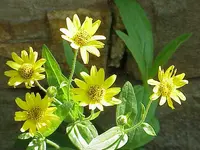
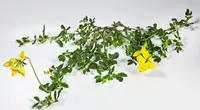
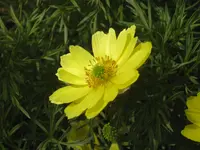
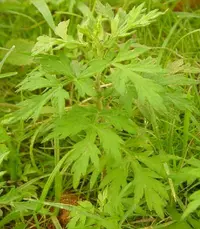
Chamisso arnica (Arnica chamissonis) is a perennial herb in the aster family, known for its bright yellow, daisy-like flower heads and aromatic foliage. It typically forms clumps with upright stems and narrow, green leaves.
This species is native to western North America, where it grows in moist meadows, streambanks, and open mountain habitats. It prefers cool to mild climates and does best in consistently moist, well-drained soil.
Gardeners often grow it for ornamental and traditional herbal uses, but it can be somewhat particular about moisture and soil conditions. Understanding how to care for Chamisso arnica starts with providing sun to light shade and avoiding very dry or compacted sites.

Care Difficulty
Moderate Care

Light Preference
Full Sun

Water Requirements
Regular Water

Temperature Preference
Cold Hardy

Hardiness Zone
4–9

Soil Texture
Sandy, Loamy, Organic-rich

Soil pH
Acidic (5.5–6.5), Slightly acidic (6.5–7.0)

Soil Drainage
Moist but well-drained

Fertilization
Minimal (feed rarely)
Scan your plant to receive care tips personalized for your specific plant
Available on iOS and Android
This mountain wildflower prefers bright, open conditions similar to sunny meadows.
This species prefers evenly moist, well-drained soil and does not handle prolonged drying or standing water well.
This hardy perennial is adapted to cool to mild climates with distinct seasons.
Arnica chamissonis grows best in relatively dry to moderately humid air and rarely needs special humidity control outdoors.
Arnica chamissonis prefers loose, well-aerated, fast-draining soil that does not stay waterlogged.
This species can be grown in containers if the pot and substrate are managed to stay free-draining.
This North American native needs only light feeding to maintain steady growth and flowering.
Pruning supports tidy growth and sustained flowering in Arnica chamissonis.
This species is usually grown in garden beds, with transplanting more common than repotting.
Arnica chamissonis is commonly propagated by seed and by division of established clumps.
This species is generally cold hardy in suitable climates and needs only modest winter care outdoors.

Plant Health Check
Not sure what's wrong with your plant? Check your plant's health inside the app.
This species is native to western North America, especially moist meadows and stream banks from Alaska through parts of Canada into the northwestern United States, unlike the better-known Arnica montana which is European.
Its yellow composite flower heads, made of both ray and disc florets, provide accessible nectar and pollen for a wide range of insects, including bees, hoverflies, and butterflies in cool summer habitats.
In the wild it often occupies seasonally wet, alluvial soils and open riparian habitats, tolerating cooler temperatures and periodic soil moisture fluctuations better than many ornamental daisies, which is useful for Arnica chamissonis care in temperate climates.

Arnica chamissonis has been studied as a cultivated alternative to the overharvested European Arnica montana, and several trials in Europe and North America have assessed its potential for sustainable commercial production to reduce pressure on wild populations of other arnica species.
This species spreads by rhizomes and self-seeding, forming loose colonies over time. In most garden settings it is not strongly invasive, but it can slowly expand, especially in moist, open soil without competition.
Keep your plants happy and healthy with plant identification, disease detection, and easy care guidance.