Enhance Root Drainage
When planting in heavy or compacted soils, form a low mound 5–10 cm high with sandy, gravelly mix and set the plant slightly above grade to keep the woody crown dry and reduce winter rot risk when growing silver sagebrush.

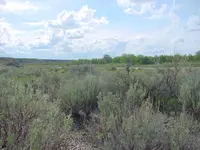
Silver sagebrush, Artemisia cana, is a hardy, aromatic shrub native to dry prairies and open rangelands of western North America. It forms low, rounded clumps with many woody stems.
The plant is easily recognized by its narrow, silvery-gray leaves and small, inconspicuous yellowish flower heads that appear along the stems. Its deep roots and drought tolerance make it well adapted to poor, sandy, or rocky soils.
This species suits low-maintenance landscapes and restoration plantings, as it tolerates cold, wind, and low moisture once established. Those who want to learn how to care for silver sagebrush should focus on providing strong light, sharply drained soil, and avoiding overwatering.

Care Difficulty
Easy Care

Light Preference
Full Sun

Water Requirements
Low Water

Temperature Preference
Cold Hardy

Hardiness Zone
3–8

Soil Texture
Sandy, Loamy, Rocky

Soil pH
Neutral (7.0), Slightly alkaline (7.0–7.5)

Soil Drainage
Well-drained

Fertilization
Minimal (feed rarely)
Scan your plant to receive care tips personalized for your specific plant
Available on iOS and Android
This shrub prefers strong sun exposure similar to its native open steppe habitats.
This species is strongly drought-tolerant and needs infrequent, careful watering.
This cold-hardy shrub tolerates wide temperature swings typical of continental climates.
This shrub is highly tolerant of dry air and typical home humidity.
Artemisia cana prefers lean, fast-draining, mineral soils that mimic dry, open habitats.
This species can grow in containers if placed in full sun with dry, sharply drained substrate.
This drought-adapted shrub needs very modest feeding, especially in poor native soils.
Light, timely pruning keeps Artemisia cana compact and prevents woody, open centers.
This shrub is usually grown in the ground, so focus on careful transplanting rather than frequent repotting.
Artemisia cana is commonly multiplied by semi-ripe cuttings, division, or seed in suitable conditions.
This species is very cold hardy and usually needs little special winter care in most climates.

Plant Health Check
Not sure what's wrong with your plant? Check your plant's health inside the app.
Silver sagebrush is one of the first woody species to colonize disturbed sites such as overgrazed rangeland and burned prairie, helping stabilize soil and create microsites for later plant species.
In parts of the northern Great Plains and Rocky Mountain foothills, this shrub is an important winter browse for pronghorn and mule deer because its evergreen, aromatic leaves remain accessible above snow.
Its small, silver, woolly leaves reflect light and reduce water loss, an adaptation that allows the plant to survive in dry, windy habitats with cold winters and short growing seasons.

Some populations of silver sagebrush are essential habitat for the threatened greater sage-grouse, providing both cover and food, so land managers often treat it as a conservation priority when planning grazing or fire regimes.
Lack of bloom usually comes from too much shade, overly rich or wet soil, or heavy pruning at the wrong time. Flowers form on new season growth, so prune lightly in late winter and avoid high-nitrogen fertilizers.
Keep your plants happy and healthy with plant identification, disease detection, and easy care guidance.