hillside arnica Care (Arnica fulgens)

Also known as: foothill arnica, orange arnica
hillside arnica

About hillside arnica

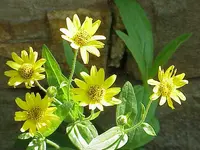
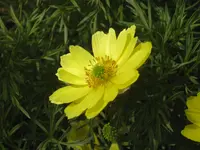
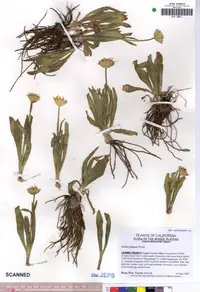
Hillside arnica (Arnica fulgens) is a perennial wildflower from mountain and foothill habitats in western North America. It forms clumps of leafy stems topped with bright yellow, daisy-like blooms. Plants usually grow in open meadows, forest edges, and rocky slopes with cool summers and well-drained soils. The flowers attract native pollinators and give a natural, informal look to gardens. This species prefers sunny to lightly shaded sites, moderate moisture, and loose, slightly acidic soil. Once its needs are understood, it is moderately easy to grow, though it dislikes heat, drought, and waterlogged conditions. Gardeners who wish to care for hillside arnica should aim to mimic its cool, upland origin as closely as their climate allows.

Main Plant Requirements

Care Difficulty

Moderate Care

Light Preference

Full Sun

Water Requirements

Moderate Water

Temperature Preference

Cold Hardy

Hardiness Zone

3–7

Soil Texture

Sandy, Loamy, Rocky

Soil pH

Acidic (5.5–6.5), Slightly acidic (6.5–7.0)

Soil Drainage

Well-drained

Fertilization

Minimal (feed rarely)

Get Personalized Care Plan

Scan your plant to receive care tips personalized for your specific plant

Available on iOS and Android

How to Care for the hillside arnica

This mountain wildflower prefers bright conditions that mimic open, high-elevation meadows.

  • Provide 4–6 hours of direct morning sun with light afternoon shade, especially in hotter regions, to prevent leaf scorch.
  • Tolerates light or dappled shade, but flowering of hillside arnica declines in sites that receive less than 3–4 hours of direct sun daily.
  • Avoid harsh, reflected afternoon sun and south-facing walls; in cooler climates, an open east or northeast exposure works best through summer.

This species prefers evenly moist but never saturated soil, especially during active growth and flowering.

  • Water when the top 3–5 cm of soil feels dry and the foliage looks firm, rather than on a fixed schedule.
  • Use well-drained, gritty or loamy soil so water does not pool around roots; Arnica fulgens is prone to rot in heavy, compacted clay.
  • In spring and early summer, increase watering after dry, warm spells; in late summer and fall, reduce frequency and watch for wilting or crisp leaf edges as signs of underwatering.

This hardy perennial is adapted to cool summers and cold winters in upland and montane climates.

  • Active growth is strongest at 55–70°F (13–21°C), with good tolerance of cool nights common in higher elevations.
  • Established plants usually survive down to about -20°F (-29°C) under snow cover; sudden frost without insulating snow can damage exposed crowns.
  • Tolerates short warm spells up to 80–85°F (27–29°C) if soil stays moist and roots shaded, but prolonged hotter conditions can reduce vigor and flowering the following season.

This species handles a wide humidity range and rarely needs special humidity management outdoors.

  • Target 40–60% humidity, which matches most temperate outdoor conditions in its native range.
  • Plants tolerate short spells of drier air if soil moisture is consistent and roots do not dry completely.
  • Leaf edge browning or persistent wilt in warm, very dry winds indicates humidity stress; group plants or provide a light windbreak if this appears.

Arnica fulgens prefers a loose, well-drained, moderately fertile substrate that stays evenly moist but not saturated.

  • Use a sandy or gravelly loam with 30–40% coarse mineral material to keep pores open and prevent waterlogging.
  • Aim for slightly acidic to neutral pH around 6.0–7.0, avoiding strongly alkaline sites that can limit nutrient uptake.
  • Blend garden loam with compost and sharp sand or fine grit to improve both moisture retention and drainage balance.
  • Avoid compacted clay, heavy peat-only mixes, or spots where water stands after rain, since these reduce aeration and promote root disease.

This species can be grown in containers if the potting setup mimics a cool, free-draining, mineral-rich site.

  • Select a pot at least 25–30 cm deep to give the fibrous roots enough vertical space to anchor and explore for moisture.
  • Choose a heavier material like ceramic or clay if the site is windy, as this prevents tall flowering stems from toppling the container.
  • Elevate the pot on feet or bricks so drainage holes stay clear and excess water escapes quickly after rain or watering.

Arnica fulgens is a low-nutrient mountain perennial that benefits from modest feeding in poor soils only.

  • Use a light top-dressing of compost or well-rotted leaf mold in early spring rather than heavy synthetic feeding.
  • On very poor sites, apply a balanced, slow-release fertilizer (around 10-10-10) at half strength once in spring.
  • Avoid summer overfeeding, which encourages weak, leafy growth at the expense of flowers in hillside arnica.
  • Do not fertilize during winter dormancy; allow the plant to rest on existing soil reserves.

Pruning Arnica fulgens is minimal and mainly focuses on hygiene and maintaining a tidy clump.

  • Cut back spent flower stems after blooming to reduce self-seeding and neaten appearance.
  • Remove dead, damaged, or diseased leaves at any time using clean, sharp hand pruners or scissors.
  • In late fall or very early spring, trim away old, browned foliage to encourage fresh growth.
  • Avoid heavy cutting into healthy crowns, which can reduce flowering in the next season.

This species is better suited to garden beds than long-term containers, so focus on careful outdoor transplanting.

  • Transplant Arnica fulgens in early spring or early fall, when temperatures are mild and soil is moist.
  • Move plants only when clumps are crowded, growth slows, or flowering declines, usually every 3–5 years.
  • Lift the clump with a fork, keeping as much root and surrounding soil intact as possible to limit stress.
  • Water thoroughly after transplanting, provide light shade for a few days, and avoid disturbing the roots further.

Arnica fulgens is commonly propagated by division, with seed used mainly for restoration or larger plantings.

  • Divide established clumps in early spring or early fall, when soil is cool and plants are not in peak bloom.
  • Lift the clump and gently separate sections, each with several shoots and healthy roots, then replant promptly.
  • For seed, sow fresh seed on the surface of moist, well-drained mix and keep cool; many need winter chilling to germinate.
  • Maintain even moisture and bright, indirect light until divisions or seedlings are well rooted and growing strongly.

This species is generally cold hardy in suitable climates and usually needs only light winter management.

  • Tolerates typical mountain frosts once established, but young plants benefit from some protection.
  • After the first hard frost, allow top growth to die back naturally, then cut it down close to soil level.
  • Apply a 3–5 cm layer of organic mulch around crowns to insulate roots while keeping mulch off the stems.

Care Tips

Rhizome division timing

Divide rhizomes only every 3–4 years in early spring, replanting firm, healthy sections with at least 2–3 buds to maintain flowering vigor without over-stressing the clump.

Flowering stem support

In windy sites, place low, discreet wire hoops or short bamboo stakes around young stems in late spring so that developing flower stalks are supported before they elongate and bend.

Mulch for summer

Apply a thin 2–3 cm layer of shredded bark or leaf mold around, but not touching, the crowns in late spring to keep roots cool, reduce moisture stress, and limit weed competition.

Seed collection protocol

If you want seed, bag a few seed heads with fine mesh just before they turn fluffy, then cut and dry them indoors so viable seed is captured before wind dispersal.

Winter crown protection

In colder zones, cover crowns lightly with dry leaves or straw after the ground freezes, then remove most of the cover in early spring to protect buds from rot while still buffering freeze–thaw cycles when growing hillside arnica.

Common Pests and Diseases

Powdery mildew

This disease causes a white, powdery coating on leaves, often in late spring or summer under dry air and high humidity around the foliage. Symptoms include distorted growth and reduced flowering.

Solution

Remove heavily infected leaves and any plant debris around the clump, then improve spacing and airflow between plants. Water at soil level, avoid overhead irrigation, and if needed apply a sulfur or potassium bicarbonate fungicide labeled for ornamentals at the first sign of disease, following label directions closely.

Leaf spot

This disease produces brown to purple spots on foliage that may merge into larger blotches, especially in wet, cool conditions. Symptoms include premature leaf yellowing and early dieback of lower leaves.

Solution

Cut off and discard affected leaves and clean up spent stems and litter to reduce fungal spores. Avoid wetting the leaves, increase air movement, and in persistent cases use a copper-based or chlorothalonil fungicide suitable for perennials at the start of the season or when spotting first appears.

Aphids

These insects cluster on young stems, buds, and leaf undersides, sucking sap and causing curling or distortion of new growth. This pest also excretes sticky honeydew that can attract sooty mold fungi.

Solution

Spray plants with a firm stream of water to dislodge colonies, then follow with insecticidal soap or a light horticultural oil, ensuring coverage on leaf undersides. Encourage natural predators such as lady beetles by avoiding broad-spectrum insecticides in the surrounding planting area.

Leaf miners

These insects create winding, pale tunnels inside the leaves as the larvae feed between leaf surfaces. Symptoms include serpentine trails and weakened foliage, especially on stressed plants.

Solution

Remove and discard mined leaves as soon as trails are noticed to break the life cycle. For recurring issues, cover young plants with fine insect netting early in the season and use a neem oil or spinosad product labeled for leaf miners on remaining foliage, applying in the evening to protect pollinators.

Interesting Facts

Western North America specialist

This species is native to high-elevation meadows and open slopes of the northern Rocky Mountains and adjacent ranges, mainly in western North America, where it is adapted to cold, snowy winters and short growing seasons.

Bright composite flowers

Its yellow-orange flower heads are composite structures made of both ray florets and disk florets, a typical Asteraceae feature that provides many small nectar and pollen sources for native bees and flies.

Preference for open slopes

In the wild it is most often found on sunny, well-drained hillsides and montane grasslands, where relatively low competition and periodic natural disturbance allow it to maintain stable populations.

FAQs about hillside arnica

This species spreads slowly by short rhizomes and self-seeding, but it is not usually aggressive in garden settings. In loose, well-drained soil it forms small clumps that may gradually expand over several seasons without taking over beds.

Grow Healthy Plants with Botan Care

Keep your plants happy and healthy with plant identification, disease detection, and easy care guidance.

Botan plant care app — identify plants on mobile

Explore More Plants