Early structural pruning
In the first 3–5 years, select a single strong leader and remove closely competing uprights during the dry season to build a stable trunk and reduce future storm damage.

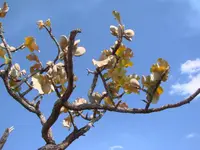
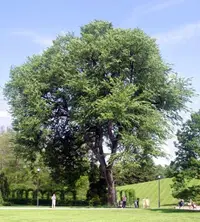
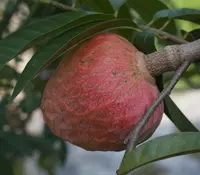
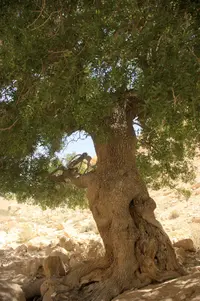
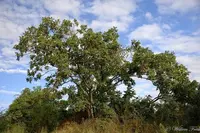
Aspidosperma macrocarpon is a medium to large evergreen tree from the savanna and dry forest regions of South America, especially Brazil and neighboring countries. It is valued mainly for its dense, durable wood and upright growth habit rather than for ornamental foliage or flowers.
In nature it grows in seasonally dry areas, which shapes its tolerance to short droughts and poor, well-drained soils. It is not a typical houseplant and is more suited to outdoor, warm-climate planting or specialized collections.
Because it can reach substantial size and prefers stable warmth, how to care for Aspidosperma macrocarpon is more relevant to experienced growers or those in suitable subtropical or tropical climates.

Care Difficulty
Moderate Care

Light Preference
Full Sun

Water Requirements
Moderate Water

Temperature Preference
Tropical / Frost Sensitive

Hardiness Zone
11–12

Soil Texture
Sandy, Loamy, Organic-rich

Soil pH
Acidic (5.5–6.5), Slightly acidic (6.5–7.0)

Soil Drainage
Well-drained

Fertilization
Minimal (feed rarely)
Scan your plant to receive care tips personalized for your specific plant
Available on iOS and Android
This species prefers bright, warm-climate light similar to open woodland edges.
This tree prefers evenly moist but not saturated soil with brief drying between waterings.
This species is adapted to warm, frost-free to very light-frost climates.
This species tolerates a wide humidity range but grows best with consistent moderate air moisture.
This tree prefers deep, well‑structured soil that drains freely but retains some moisture.
This species can be grown in containers during early years, mainly for seedlings and young plants.
This species is a slow-growing forest tree that benefits from light, infrequent feeding in cultivation.
Pruning is mainly used to maintain structure and remove damaged wood on Aspidosperma macrocarpon grown in managed landscapes.
This tree is usually grown in the ground, so management focuses on careful transplanting of young specimens rather than frequent repotting.
Propagation of Aspidosperma macrocarpon is typically done from seed and requires patience and warm conditions.
This warm-climate tree is not frost hardy and needs protection from freezing conditions in cooler regions.

Plant Health Check
Not sure what's wrong with your plant? Check your plant's health inside the app.
This tree is native to Brazil’s cerrado savanna, where it forms part of the taller woody layer and helps stabilize poor, acidic soils through a deep, extensive root system.
The bark and young tissues exude a white latex rich in alkaloids, a chemical group of nitrogen-containing compounds that help deter herbivores and some insect pests.
Its wood is heavy, dense, and resistant to decay, which has made it a valued source of timber for structural uses such as beams, fence posts, and outdoor construction in its native range.

In parts of central Brazil, this species often regenerates and persists in heavily altered or secondary cerrado vegetation, making it an important component for ecological restoration projects that aim to rebuild native savanna structure and biodiversity.
This species is a slow to moderate-growing tree. Young plants may add 20–40 cm of height per year, then slow as the trunk thickens. Growth improves with consistent moisture, warmth, and deep, well-structured soil.
Keep your plants happy and healthy with plant identification, disease detection, and easy care guidance.