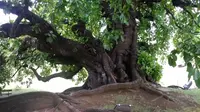
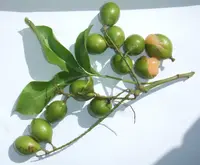
Mt. Atlas mastic tree Care (Pistacia atlantica)

Also known as: Mount Atlas mastic tree, Persian turpentine tree
Mt. Atlas mastic tree

About Mt. Atlas mastic tree

Mt. Atlas mastic tree, Pistacia atlantica, is a long-lived deciduous tree from arid and semi-arid regions of the Mediterranean, North Africa, and the Middle East. It develops a sturdy trunk, wide rounded crown, and often a picturesque, irregular branching structure.

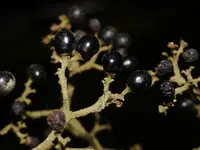
The foliage is made of pinnate leaves, which means many small leaflets are arranged along a central stalk, giving a fine, airy texture. Small, inconspicuous flowers are followed by clusters of tiny fruits that add seasonal interest.

This species is highly drought-tolerant once established and adapted to poor, rocky, well-drained soils, which makes it relatively low-maintenance in dry climates. It prefers full sun and suits gardeners looking to care for Mt. Atlas mastic tree in water-wise or Mediterranean-style landscapes.

Main Plant Requirements

Care Difficulty

Moderate Care

Light Preference

Full Sun

Water Requirements

Low Water

Temperature Preference

Cold Hardy

Hardiness Zone

6–9

Soil Texture

Sandy, Loamy, Rocky

Soil pH

Slightly acidic (6.5–7.0), Slightly alkaline (7.0–7.5)

Soil Drainage

Well-drained

Fertilization

Minimal (feed rarely)

Get Personalized Care Plan

Scan your plant to receive care tips personalized for your specific plant

Available on iOS and Android

How to Care for the Mt. Atlas mastic tree

This drought-tolerant tree prefers strong natural light and thrives in open, exposed sites.

  • Provide 6–8 hours of direct sun daily; full sun is ideal for strong growth and dense branching in Mt. Atlas mastic tree plantings.
  • Accepts light partial shade, especially with morning sun and light afternoon shade, but prolonged shade reduces vigor and leaf density.
  • In hot inland summers, young trees benefit from slight afternoon shade to limit leaf scorch, while winter sun exposure helps maintain hardiness and ripening of wood.

This species is highly drought-tolerant and prefers deep, infrequent watering once established.

  • Allow the top 5–8 cm of soil to dry before watering; the root zone should not stay constantly wet, especially on heavy soils.
  • Water deeply but infrequently, using slow soaking that encourages deep roots; reduce or stop irrigation in cool, rainy seasons once the tree is established.
  • Watch for overwatering signs such as yellowing leaves and soft new growth, while severe leaf drop and twig dieback usually indicate prolonged drought stress in Pistacia atlantica.

This hardy tree is adapted to hot, dry summers and cool to cold winters.

  • Optimal growth occurs around 65–85°F (18–29°C), with strongest shoot development in warm, dry conditions and full sun exposure.
  • Mature trees tolerate down to about 10–15°F (-12 to -9°C); young plants are more tender and benefit from protection during hard freezes.
  • Heat tolerance is high up to 100–105°F (38–41°C) if soil is well drained; avoid planting in frost pockets where cold air settles in winter.

This drought-tolerant species handles low humidity well and rarely needs special humidity management.

Pistacia atlantica prefers lean, well-drained mineral soils that do not stay wet.

  • Use a sandy or sandy-loam mix with 30–50% coarse sand or grit to keep structure open and sharply draining.
  • Aim for slightly alkaline to neutral pH, roughly 7.0–8.0, avoiding strongly acidic substrates that can limit nutrient availability.
  • Incorporate a small amount of compost or well-rotted bark (no more than 10–15%) to prevent excessive richness and moisture retention.
  • Avoid heavy clay, peat-heavy, or waterlogged soils, and improve drainage by raising the planting area or using berms on compacted sites.

This species can be grown in containers for several years, though it ultimately prefers in-ground conditions.

  • Choose a deep, heavy container to anchor the developing root system and prevent the plant from tipping in strong winds.
  • Select a thick-walled, non-porous pot if growing in hot, exposed sites to reduce rapid substrate overheating and moisture loss.
  • Elevate the container on feet or spacers so drainage holes stay clear and excess water can escape quickly after irrigation or rainfall.

This drought-adapted Mt. Atlas mastic tree needs only light, infrequent feeding in most garden soils.

  • Apply a light layer of compost or well-rotted manure over the root zone in spring for nutrient refreshment.
  • In poorer soils, use a balanced slow-release fertilizer (around 10-10-10) at half strength once in spring.
  • Avoid high-nitrogen products, which encourage weak, overly lush growth unsuited to dry, sunny conditions.
  • Do not feed in late summer or winter, since added nutrients can stimulate tender growth that fails to harden off.

Pistacia atlantica benefits from occasional, selective pruning to maintain a strong, open canopy.

  • Carry out structural pruning in late winter or very early spring before active growth starts.
  • Remove dead, diseased, crossing, or inward-growing branches to improve light penetration and air flow.
  • Lightly thin crowded branches rather than making heavy heading cuts that trigger dense, weak regrowth.
  • Use clean, sharp bypass pruners or a pruning saw, making cuts just outside the branch collar for proper healing.

This species is usually grown in the ground, so focus on careful transplanting of young trees rather than frequent repotting.

  • Transplant in late winter or early spring while the tree is dormant to reduce stress.
  • Look for signs such as circling roots in nursery containers or slowed growth as cues to shift into the ground.
  • Handle the root ball gently, keeping soil intact; prune only broken roots and water deeply after planting.
  • Choose a sunny, well-drained site, plant at the same depth, and apply a light mulch to stabilize moisture as roots establish.

Pistacia atlantica is most often propagated from seeds, with cuttings used less commonly and with lower success.

  • Collect fully ripe seeds, clean the fleshy coating, and stratify cool and moist for 1–3 months to improve germination.
  • Sow seeds in spring in a well-drained, sandy mix, keeping the medium just slightly moist and in bright light.
  • For semi-hardwood cuttings, take pieces in late summer, use rooting hormone, and provide bottom warmth and high humidity.
  • Grow seedlings on in containers for 1–2 years before planting out, hardening them gradually to sun and drought.

This tree is generally cold hardy in much of the US Southwest and similar climates and needs minimal winter care once established.

  • Young or newly planted trees benefit from 5–8 cm of mulch over the root zone, kept away from the trunk.
  • In areas with severe frost, wrap young trunks with breathable tree wrap to limit bark damage.
  • Container-grown plants in colder regions should be moved to a cold, bright, frost-free space until spring.

Care Tips

Deep root training

During the first 2–3 years, irrigate less frequently but for longer durations to encourage deep root growth, which improves drought tolerance and anchorage on windy, exposed sites.

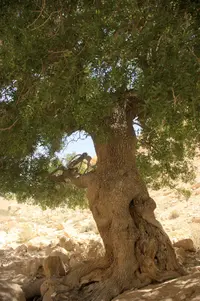
Form a single leader

In the first years, select one strong upright stem as the main leader and remove competing co-dominant shoots to build a stable, tree-like framework that resists storm breakage.

Manage basal suckers

Inspect the trunk base 2–3 times per year and cleanly remove any suckers arising from the rootstock or lower trunk so energy is directed into the main canopy.

Salinity monitoring

If irrigating with well or reclaimed water, test salinity every 1–2 years and, when levels rise, apply an occasional deep leaching irrigation to flush salts below the root zone.

Mulch for slope sites

On sloping or erosion-prone ground, apply a 5–8 cm layer of coarse organic mulch in a wide ring, keeping it 10–15 cm away from the trunk, to stabilize soil and reduce moisture loss when growing Mt. Atlas mastic tree.

Common Pests and Diseases

Turpentine scale

This pest is a sap-sucking scale insect that forms dome-shaped brown bumps along young stems and branches, excreting sticky honeydew that can lead to sooty mold. Symptoms include branch weakening, reduced vigor, and blackened surfaces from mold growth on the honeydew.

Solution

Prune and destroy heavily infested twigs, then wash smaller trees with a strong stream of water and a mild horticultural soap solution to dislodge scales. For persistent infestations, apply a horticultural oil during the crawler stage in late spring, and improve tree vigor with proper watering and mulching to help natural enemies control the scale population.

Verticillium wilt

This disease is caused by soilborne fungi that invade the water-conducting tissues, leading to sudden wilting, leaf yellowing, and dieback on one or more branches, often on one side of the tree. Symptoms include brown streaks in the sapwood when fresh wood is cut from affected branches.

Solution

Remove and dispose of dead or severely wilted branches, sterilizing pruning tools between cuts, and avoid planting new susceptible trees in the same soil. Maintain even soil moisture without overwatering, apply a light mulch to moderate soil temperature, and support tree health, as mildly affected Pistacia atlantica can sometimes compartmentalize the infection and stabilize.

Pistacia leaf gall midge

This pest is a tiny fly whose larvae cause blister-like or pouch-shaped galls on leaflets, leading to distortion and, in heavy infestations, partial defoliation. These insects usually stay inside the galls while feeding and developing.

Solution

Prune and destroy heavily gall-infested shoots before adult midges emerge in late spring, and rake and remove fallen leaves to reduce overwintering sites. For young or high-value trees, timed applications of horticultural oil or an appropriate systemic product at bud break can reduce larval establishment, following local extension guidelines for Pistacia atlantica care.

Botryosphaeria canker

This disease is a fungal canker that enters through wounds or stressed tissues, causing sunken, dark lesions on branches, twig dieback, and sometimes gumming or resin exudation. Symptoms include progressive death of smaller branches, especially in drought-stressed or mechanically damaged trees.

Solution

Cut out infected branches well below visible cankers, sterilizing tools between cuts, and dispose of prunings away from the site. Reduce plant stress by avoiding overpruning, preventing mechanical injury, providing deep but infrequent irrigation in dry periods, and improving airflow through correct spacing to lower humidity around the canopy.

Interesting Facts

Ancient steppe tree

This species is one of the characteristic trees of Irano-Turanian steppe and semi-arid woodlands, where it forms open forests and scattered park-like stands across Iran, Turkey, and neighboring regions.

Keystone for wildlife

Its oily seeds and fleshy drupes are an important food source for birds and mammals in dry landscapes, which in turn disperse its seeds over long distances.

Source of mastic resin

The trunk and branches exude an aromatic resin used traditionally as a chewing gum and in varnishes and adhesives, although its resin is less commercially important than that of Pistacia lentiscus.

Botan icon

Did you know?

Individual Pistacia atlantica trees can become very long-lived, with some field-documented specimens in West Asia estimated from growth form and historical records to be several centuries old, forming prominent landscape landmarks.

FAQs about Mt. Atlas mastic tree

It can be grown in large, deep containers when young, provided drainage is excellent. Root growth is strong, so expect to up-pot gradually and eventually plant out. Use a very gritty, well-drained mix and full sun exposure.

Grow Healthy Plants with Botan Care

Keep your plants happy and healthy with plant identification, disease detection, and easy care guidance.

Botan plant care app — identify plants on mobile

Explore More Plants