Deep root training
During the first 3–4 years, give fewer but deeper irrigations, allowing the top 10–15 cm of soil to dry between waterings so roots are encouraged to grow down rather than stay near the surface.

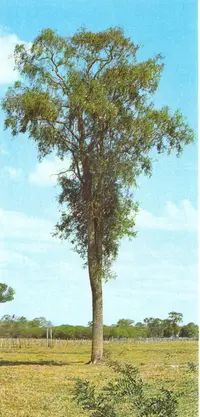
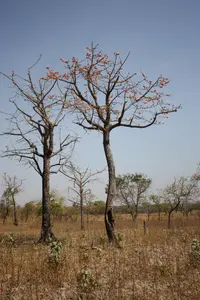
Quebracho blanco, Aspidosperma quebracho-blanco, is a slow-growing evergreen tree native to the dry forests of Argentina, Paraguay, and Bolivia. It is often grown for its very dense, heavy wood and its upright, architectural form.
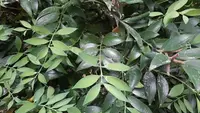
Mature trees develop a straight trunk with a rounded, somewhat sparse crown and small, leathery leaves adapted to hot, dry conditions. The plant naturally tolerates drought and poor, rocky soils, which can make it relatively resilient once established but slower to grow in cultivation.
In suitable warm climates, it prefers full sun, well-drained soil, and low to moderate moisture. Gardeners looking to care for Quebracho blanco should understand that it is best suited to outdoor, dry, and open landscapes rather than small gardens or containers.

Care Difficulty
Moderate Care

Light Preference
Full Sun

Water Requirements
Low Water

Temperature Preference
Warm Climate

Hardiness Zone
9–11

Soil Texture
Sandy, Loamy, Rocky

Soil pH
Slightly acidic (6.5–7.0), Slightly alkaline (7.0–7.5)

Soil Drainage
Well-drained

Fertilization
Minimal (feed rarely)
Scan your plant to receive care tips personalized for your specific plant
Available on iOS and Android
This dryland tree prefers strong sun but adapts to a range of open light conditions in the landscape.
This species is drought tolerant once established and prefers deep, infrequent watering in well-drained soil.
This warm-climate tree grows best in hot, semi-arid to subtropical conditions with mild winters.
This dryland tree manages well in low ambient humidity and rarely needs special humidity control.
Aspidosperma quebracho-blanco prefers mineral, well-drained soil that does not stay wet after irrigation or rain.
This species can be grown in containers for juvenile stages, though it is naturally a large tree.
This drought-adapted tree needs only light feeding in cultivation, especially in poor or depleted soils.
Pruning Aspidosperma quebracho-blanco is mainly structural and sanitary rather than intensive.
This species is usually grown in the ground, so management focuses on careful transplanting of young trees.
Propagation of Aspidosperma quebracho-blanco is usually done from seed and requires patience and warmth.
Mature Aspidosperma quebracho-blanco is adapted to warm, frost-prone climates but is not suited to harsh winters.

Plant Health Check
Not sure what's wrong with your plant? Check your plant's health inside the app.
The pale wood of this tree oxidizes after cutting and gradually develops a distinctive reddish to dark brown heartwood, which is dense and very resistant to decay.
Native to the Gran Chaco of Argentina, Bolivia, and Paraguay, this species thrives in semi-arid woodlands with poor, dry soils thanks to deep roots and small, tough leaves that limit water loss.
The common name quebracho blanco comes from Spanish quebrar hacha, meaning axe-breaker, referring to its very hard, heavy wood that can quickly dull cutting tools.

Aspidosperma quebracho-blanco is one of the dominant trees shaping the structure of the dry Chaco forests, often forming open woodlands that provide critical shade, habitat, and forage for wildlife and livestock in one of South America’s harshest seasonal climates.
This tree is slow-growing. In suitable warm, semi-arid climates it may add around 15–30 cm in height per year when young, often slowing further with age as it directs more energy into dense wood and root development.
Keep your plants happy and healthy with plant identification, disease detection, and easy care guidance.