Oregon ash Care (Fraxinus latifolia)

Oregon ash

About Oregon ash

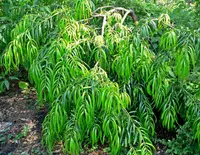
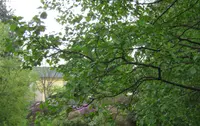
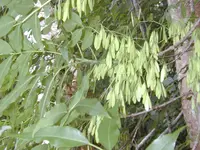
Oregon ash, Fraxinus latifolia, is a medium to large deciduous tree native to the Pacific Northwest of North America. It commonly grows along rivers, wetlands, and moist lowlands. The tree has an upright, rounded crown with compound leaves made of several paired leaflets, creating a light, airy canopy. In autumn, foliage often turns soft yellow. Oregon ash is generally tough and tolerant of seasonal flooding and heavy, clay-rich soils, which can make it easier to establish in challenging, wet sites. It prefers full sun and consistently moist soil. Understanding how to care for Oregon ash starts with matching it to naturally damp locations.

Main Plant Requirements

Care Difficulty

Moderate Care

Light Preference

Full Sun

Water Requirements

Regular Water

Temperature Preference

Cold Hardy

Hardiness Zone

6–9

Soil Texture

Loamy, Clay, Silty

Soil pH

Slightly acidic (6.5–7.0), Neutral (7.0)

Soil Drainage

Waterlogged tolerant

Fertilization

Minimal (feed rarely)

Get Personalized Care Plan

Scan your plant to receive care tips personalized for your specific plant

Available on iOS and Android

How to Care for the Oregon ash

This species thrives as a full-sun to light-shade riparian tree with strong seasonal light tolerance.

  • Aim for 6–8 hours of direct sun daily; Oregon ash tolerates light afternoon shade in hotter inland sites to reduce leaf scorch risk.
  • In cooler or coastal climates, full sun from morning through late afternoon supports dense canopy growth and sturdy wood formation.
  • Young trees benefit from some filtered light during their first 1–2 summers, while mature trees handle open, unshaded exposure without issue.

Fraxinus latifolia prefers consistently moist but not stagnant soil, especially while establishing.

  • In the first 2–3 years, water when the top 5–8 cm of soil feels just barely damp, aiming for deep soaking rather than frequent light watering.
  • Mature trees near natural moisture often manage on rainfall; in dry summers, irrigate deeply every 10–21 days, adjusting after hot, windy periods.
  • Yellowing leaves and soft new growth suggest oversaturated soil, while browning leaf edges and early leaf drop indicate prolonged dryness or drought stress.

This species is adapted to temperate climates with cool, wet winters and warm, dry summers.

  • Active growth is strongest around 60–80°F (16–27°C), with good tolerance of typical seasonal swings in most temperate regions.
  • Dormant trees tolerate winter lows near 0°F (−18°C) once established, though young trees benefit from protection from severe, exposed windchill.
  • Short periods above 90°F (32°C) are tolerated if soil moisture is adequate; extended extreme heat with drought increases leaf scorch and stress.

This species is tolerant of a wide humidity range and does not usually need special humidity management outdoors.

This tree naturally prefers moist, deep alluvial soils with strong structure and steady moisture availability.

  • Use a loamy soil with high organic matter, such as a mix of native topsoil, compost, and a small proportion of sand for structure.
  • Ensure consistent moisture retention with slow-draining subsoil but avoid standing water by providing surface grading so excess water can move away.
  • Target a slightly acidic to neutral pH of about 6.0–7.5 for Fraxinus latifolia to support nutrient availability and root health.
  • Avoid compacted, very shallow, or highly alkaline sites; improve aeration by incorporating coarse compost and avoiding heavy machinery over the root zone.

This species is generally unsuitable for long-term container growing due to its eventual large size and extensive root system.

Fraxinus latifolia usually needs little fertilizer in landscape settings if soil is reasonably fertile.

  • For young or stressed trees, use a balanced slow-release fertilizer (such as 10-10-10) in early spring.
  • Apply lightly once per year over the root zone, keeping granules away from the trunk flare.
  • Use compost as a surface top-dressing to improve soil structure rather than heavy feeding.
  • Avoid fertilizing in late summer or fall, and do not feed during winter dormancy.

Pruning Fraxinus latifolia focuses on safety, structure, and removal of compromised wood.

  • Carry out main pruning in late winter to early spring before leaf-out.
  • Remove dead, diseased, crossing, or storm-damaged branches first to maintain tree health.
  • Thin crowded interior branches to improve light penetration and develop a strong central framework.
  • Use clean, sharp bypass pruners or a pruning saw, making cuts just outside the branch collar.

Fraxinus latifolia is typically field-grown and transplanted as a young tree rather than kept long term in containers.

  • Transplant in late fall or early spring when the tree is dormant and conditions are cool and moist.
  • Look for signs such as circling roots in nursery stock or poor vigor before upsizing to a larger container or site.
  • Dig a wide planting hole, keep the root flare at soil level, and loosen or cut circling roots to reduce future girdling.
  • Water deeply after planting, mulch 5–8 cm around (not against) the trunk, and keep soil evenly moist while roots establish.

Fraxinus latifolia is usually propagated from seed in professional or restoration settings rather than in home gardens.

  • Collect ripe seeds in fall, then cold stratify them for several months at about 34–41°F to break dormancy.
  • Sow in a free-draining, moist seed mix and keep cool to moderate temperatures with consistent moisture.
  • Seedlings need bright light, gentle air movement, and careful watering to prevent damping-off disease.

Mature Fraxinus latifolia is cold hardy across much of its native range and generally needs minimal winter care.

  • Apply a 5–8 cm layer of mulch over the root zone in late fall, keeping it slightly back from the trunk.
  • Young or container-grown trees benefit from sheltered sites away from drying winter winds.
  • Move containers to an unheated garage or sheltered area where roots stay cold but not deeply frozen.

Care Tips

Prevent root heave

In windy or flood-prone sites, apply a wide, flat mulch ring and avoid heavy pruning of the upper canopy so the root plate remains stable and the tree is less likely to rock and loosen in wet soils.


Plan for mature size

When growing Oregon ash in landscapes, plant at least 9–12 m from buildings, drains, and paved areas to avoid future conflicts with spreading surface roots and a broad crown.

Encourage strong structure

During the first 5–8 years, selectively remove or shorten competing leaders and very tight branch crotches (less than 30°) to develop a single main trunk with well-spaced scaffold branches.

Adapt to wet soils

In naturally wet ground, establish the tree on a slight mound 15–30 cm high and maintain an open drainage path away from the trunk to reduce long-term risk of root rot while still allowing the tree to access moisture.

Monitor for borers

Inspect the trunk and main branches each season for small exit holes, bark splits, or sawdust-like frass, and remove and destroy lightly infested branches early while keeping the tree well watered and mulched to reduce borer stress impacts.

Common Pests and Diseases

Emerald ash borer

This pest is a metallic green beetle whose larvae tunnel under the bark, disrupting water and nutrient flow and causing canopy dieback and eventual tree death.

Solution

Monitor trunks and major branches for D-shaped exit holes, bark splits, and thinning foliage; if the tree has value and infestation risk is high, use preventative systemic insecticides applied by a certified arborist and promptly remove and dispose of heavily infested trees to slow local spread.

Ash bark beetles

These insects are small bark-boring beetles whose larvae feed in the inner bark and cambium, often attacking stressed or wounded Oregon ash and contributing to branch dieback.

Solution

Reduce tree stress through proper watering during drought, avoid trunk injury, prune and destroy infested branches with galleries and frass, and in high-risk areas consider targeted trunk sprays by a professional timed to adult flight periods.

Ash anthracnose

This disease is a fungal leaf and shoot infection that causes brown or black lesions along veins, leaf curling, and early leaf drop, especially in cool, wet spring weather.

Solution

Rake and remove fallen leaves to reduce spores, improve canopy airflow through careful structural pruning, avoid overhead irrigation in spring, and in severe, recurring cases use a registered fungicide timed to bud break under the guidance of a local arborist familiar with Fraxinus latifolia care.

Cytospora canker

This disease is a fungal canker that attacks stressed branches, causing sunken, discolored patches of bark, dieback beyond the canker, and sometimes oozing sap or resin.

Solution

Prune out affected branches at least 15–30 cm below visible cankers during dry weather, disinfect tools between cuts, reduce stress with proper watering and mulching, and avoid unnecessary wounds to trunks and branches to limit new infections.

Ash flower gall mite

This pest is a microscopic mite that distorts flowers and forms green to brown gall clusters, which look unsightly but rarely threaten overall tree health.

Solution

Prune off and dispose of heavily galled flower clusters before mites move to new tissue, avoid excessive nitrogen fertilization that encourages lush susceptible growth, and where aesthetic impact is high consider dormant-season oil sprays targeted at overwintering stages on buds.

Interesting Facts

Pacific Northwest specialist

This ash is native almost exclusively to the Pacific Northwest of North America, where it dominates lowland floodplains from coastal British Columbia south through western Oregon into northern California.

Flood-tolerant anatomy

The tree commonly grows in seasonally inundated soils and develops shallow, wide-spreading roots and aerenchyma-like air spaces in tissues that help it tolerate waterlogged conditions better than most other native hardwoods in its range.

Key riparian habitat builder

Its dense stands along rivers stabilize stream banks, trap sediments, and create cool, shaded conditions that benefit salmonid fish and many amphibians in Pacific Northwest riparian ecosystems.

Botan icon

Did you know?

This species is unusually wind-firm for a fast-growing ash, and mature trees have been documented remaining standing in major Pacific Northwest windstorms that uprooted many neighboring hardwoods in the same floodplain forests.

FAQs about Oregon ash

This species is generally fast-growing when young, often adding 30–60 cm per year in suitable conditions. Growth slows as it matures. Rate varies with moisture availability, soil fertility, and competition from nearby vegetation.

Grow Healthy Plants with Botan Care

Keep your plants happy and healthy with plant identification, disease detection, and easy care guidance.

Botan plant care app — identify plants on mobile

Explore More Plants