Robertson Astroloba Care (Astroloba rubriflora)

Robertson Astroloba

About Robertson Astroloba

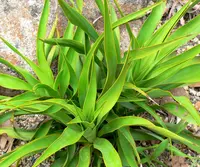
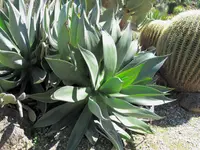
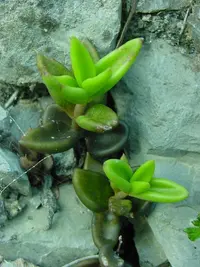
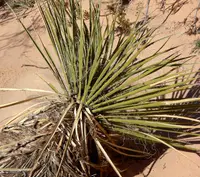
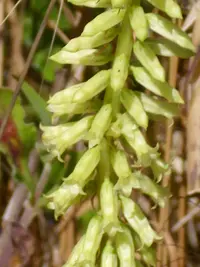
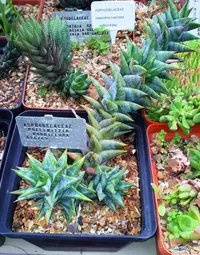
Astroloba rubriflora, often called Robertson astroloba, is a compact succulent from arid regions of South Africa. It forms upright, architectural columns of tightly stacked, triangular leaves. The leaves are usually dark green and glossy, creating a geometric, almost sculptural look as the clumps mature. In season, it produces tubular red flowers that attract sunbirds in its native habitat. This species grows slowly and stays relatively small, which suits windowsills and small indoor collections. It generally prefers bright light, low to moderate watering, and sharply draining, gritty soil. These traits make it relatively easy to care for Robertson Astroloba, provided excess moisture is avoided.

Main Plant Requirements

Care Difficulty

Moderate Care

Light Preference

Partial Sun

Water Requirements

Low Water

Temperature Preference

Warm Climate

Hardiness Zone

10–11

Soil Texture

Sandy, Loamy, Rocky

Soil pH

Slightly acidic (6.5–7.0), Neutral (7.0)

Soil Drainage

Well-drained

Fertilization

Minimal (feed rarely)

Get Personalized Care Plan

Scan your plant to receive care tips personalized for your specific plant

Available on iOS and Android

How to Care for the Robertson Astroloba

This compact succulent prefers bright, indirect sun that mimics its native rocky habitats.

  • Provide 4–6 hours of bright light daily, with morning sun and light afternoon shade; intense midday summer sun can scorch leaves.
  • Robertson Astroloba tolerates light to partial shade, but stems may stretch and lose compact form if grown in less than 3–4 hours of strong light.
  • Outdoors, use dappled or filtered light under a shrub or shade cloth; indoors, place near an east- or bright north-facing window.

This species needs infrequent, careful watering that allows the soil to dry between soakings.

  • Water only when the top 3–5 cm of soil are completely dry, then water deeply so it drains fully from the root zone.
  • In spring and fall growth periods, you may water more often; in winter, reduce watering sharply and allow the soil to stay dry for longer stretches.
  • Astroloba rubriflora shows overwatering by yellowing, soft leaves and a sour soil smell, while severe leaf wrinkling and folding signal prolonged dryness.

This succulent prefers mild, dry conditions with good air movement and protection from extremes.

  • Aim for 65–80°F (18–27°C) for active growth; short spikes to 85–90°F (29–32°C) are tolerated if shaded and not overwatered.
  • Protect from frost; sustained temperatures below 30–32°F (-1–0°C) can damage tissues, especially in wet soil.
  • In cooler climates, keep it in a spot that stays above 40°F (4°C) in winter and avoid hot reflected heat from walls or paving in midsummer.

This succulent tolerates low household humidity and rarely needs special moisture control.

  • Best growth occurs at 30–50% relative humidity, similar to most heated indoor rooms.
  • Dry air is usually tolerated; only very hot, drafty locations may cause leaf tips to shrivel slightly.
  • If leaves wrinkle despite correct watering, move the plant away from hot air vents or use a shallow pebble tray for minimal humidity buffering for Robertson Astroloba.

Astroloba rubriflora needs a very free-draining, mineral-rich mix to prevent root rot.

  • Use a gritty, sandy mix such as 50–70% mineral material (pumice, coarse perlite, or 3–5 mm gravel) blended with 30–50% cactus potting mix.
  • Ensure the mix feels loose and crumbly, never dense or sticky, so air can reach the roots easily.
  • Aim for slightly acidic to neutral pH around 6.0–7.0, avoiding strongly alkaline, limy substrates unless naturally well drained.
  • Avoid fine peat-heavy or clayey mixes that stay wet; add extra pumice or coarse sand whenever water drains in more than 20–30 seconds.

This species is very suitable for container growing due to its compact, clumping habit.

  • Choose a pot only 2–4 cm wider than the root ball so the mix dries evenly and does not stay wet around empty edges.
  • Use a heavy terracotta or stone container in bright outdoor sites to prevent tipping as the clump becomes weighty.
  • Elevate the pot slightly on feet or mesh so drainage holes stay clear and excess water escapes quickly from the base.

Astroloba rubriflora grows well with light feeding suited to a compact, drought-adapted succulent.

  • Use a dilute balanced liquid fertilizer (around 10-10-10) at 1/4–1/2 strength during active growth in spring–summer.
  • Feed every 4–6 weeks only if growth is steady and the plant is healthy.
  • Avoid heavy compost or rich organic mixes that hold too much moisture around the roots.
  • In fall–winter, when Robertson Astroloba is semi-dormant, withhold fertilizer or feed at most once at very weak strength.

Astroloba rubriflora needs minimal pruning, focused on cleanliness and maintaining a compact rosette form.

  • Best time for light pruning is late spring or early summer, when growth is active.
  • Remove dead, dried, or damaged leaves by gently tugging or cutting them close to the stem with clean scissors.
  • Thin out badly crowded, shaded inner leaves only if they trap moisture and cause rot risk.
  • Pruning has little effect on flowering but improves air flow and keeps the plant neat.

This species grows slowly and prefers infrequent repotting in a stable, well-drained setup.

  • Repot every 3–4 years or when roots circle the pot, drainage slows, or growth becomes noticeably sluggish.
  • Choose late spring as the main time to shift Astroloba rubriflora into a slightly larger pot with gritty, fast-draining succulent mix.
  • Gently tease circling roots apart, remove rotted material, and keep the new container only 2–3 cm wider than the old one.
  • After repotting, keep the plant in bright shade and water lightly for 7–10 days to limit root stress and rot.

Astroloba rubriflora is usually propagated from offsets, with seeds used mainly by specialists.

  • Detach firm, well-formed offsets in late spring–summer, once they have several leaves and visible roots.
  • Allow cut or broken surfaces to dry and callus for 2–3 days before planting in a gritty, sterile mix.
  • Keep the medium barely moist, bright, and warm (70–80°F) to support root growth without rot.
  • Seed propagation needs warm, bright, lightly shaded conditions and very free-draining mix; germination can be slow and uneven.

Astroloba rubriflora dislikes prolonged freezing and needs protection in cold-winter climates.

  • Keep temperatures above about 35°F; brief light frost may be tolerated if the soil stays dry.
  • In the ground, use a thin layer of very coarse, dry mulch or gravel to insulate the root zone without trapping moisture.
  • For containers, move plants indoors or into a cold frame, giving bright light and almost dry soil through winter.

Care Tips

Encourage Compact Rosettes

Rotate the pot 90° every 2–3 weeks so all sides receive similar light intensity, which keeps rosettes symmetrical and prevents the plant from leaning toward the brightest side.

Top-Dress With Mineral Grit

Add a 0.5–1 cm top layer of coarse pumice, lava rock, or gravel around the base to keep leaf bases dry, reduce fungus gnat breeding, and support upright growth of the rosettes.

Strategic Offshoot Removal

Use a sterile, thin-bladed knife to remove only well-rooted, thumb-sized offsets in late spring, then allow the cuts to dry 2–3 days before replanting to reduce rot risk and maintain a strong, compact mother plant.

Gradual Light Hardening

Before placing the plant outdoors for summer, increase light exposure over 10–14 days by moving it from bright shade to dappled sun and finally to morning or late-afternoon sun to prevent sunburn on the narrow leaves.

Winter Rest Management

In cooler regions, keep the plant slightly cooler and much drier from late fall to early spring, which supports a defined rest period that improves flowering performance and overall vigor when growing Robertson Astroloba.

Common Pests and Diseases

Aloe mite

This pest causes distorted, swollen, or bumpy growth on leaves and stems, often forming rough galls or tumor‑like areas, especially in the rosette center. Symptoms include reddish or brown corky patches that do not rub off.

Solution

Remove and discard all affected leaf sections well below the damaged tissue, sterilizing cutting tools between cuts. Isolate the plant, keep it drier and in strong light, and if new galls appear treat the rosette center with a targeted miticide labeled for eriophyid mites, repeating according to label directions.

Aloe scale

This pest appears as small, hard, brown or grayish bumps on leaves and stems, often along the lower leaf surfaces and near the base. These insects suck sap, leading to yellowing, loss of vigor, and sticky honeydew that can attract sooty mold.

Solution

Physically remove visible scale with a cotton swab dipped in 70% isopropyl alcohol and wipe affected areas. For heavier infestations, use repeated applications of a light horticultural oil or insecticidal soap, ensuring good coverage of leaf bases and undersides while keeping the plant in bright, indirect light and good airflow.

Mealybugs

These insects form white, cottony clusters in leaf axils, along roots, and around the plant base. This pest weakens plants by sucking sap and can stunt growth or cause leaf shriveling if not controlled.

Solution

Inspect rosettes closely and dab visible mealybugs with 70% isopropyl alcohol on a cotton swab, then rinse the plant gently after treatment. For persistent issues, repot into fresh, well‑draining mix after washing the roots, and apply insecticidal soap or a systemic insecticide labeled for container succulents according to instructions.

Fungal leaf spots

This disease produces small, dark, water‑soaked or brown spots on leaves that may expand and merge, sometimes with a yellow halo. Symptoms include slow spread across crowded or poorly ventilated plants, especially if water often sits on leaves.

Solution

Remove affected leaves or trim spotted sections with sterile tools, then increase airflow, reduce overhead watering, and let the soil dry well between waterings. If spotting continues, apply a sulfur or copper‑based fungicide suitable for succulents, following label guidance and avoiding spraying during strong direct sun to prevent leaf burn.

Bacterial soft rot

This disease causes sudden soft, watery, foul‑smelling tissue at the base of the rosette or on injured leaves. Symptoms include rapid collapse of affected areas, starting where there has been mechanical damage or prolonged moisture around the crown.

Solution

Immediately cut away all soft, discolored tissue back to firm, healthy material and discard infected parts, sterilizing tools between cuts. Allow the plant to dry in a warm, airy place, then replant into fresh, sharply draining mix, and prevent future issues by avoiding water sitting in the rosette and by protecting the plant from prolonged cold, wet conditions; these steps form the core of Robertson Astroloba care instructions for disease prevention.

Interesting Facts

Hummingbird-style pollination

This species is pollinated mainly by the malachite sunbird in its native South African range, which hovers and feeds from the tubular red flowers in a way functionally similar to New World hummingbirds.

Unusual red flowers

Within its genus, it is distinctive for its bright red, tubular flowers, while most other Astroloba species have pale, star-shaped blooms, making it easy to recognize in habitat.

Cliff and rock specialist

In the wild it often grows on rocky slopes and cliff faces in the Robertson area of the Western Cape, anchoring into crevices where drainage is extremely fast and competition from other plants is low.

Botan icon

Did you know?

The species is considered one of the most range-restricted members of its genus, occurring naturally only in a relatively small area near Robertson in South Africa, which contributes to its conservation interest and horticultural value.

FAQs about Robertson Astroloba

Brown leaf tips or patches usually come from underwatering, intense direct sun, or fertilizer salts building up in the pot. Check roots, flush the soil occasionally, and adjust watering and light before removing badly damaged foliage.

Grow Healthy Plants with Botan Care

Keep your plants happy and healthy with plant identification, disease detection, and easy care guidance.

Botan plant care app — identify plants on mobile

Explore More Plants