Rocky root zone
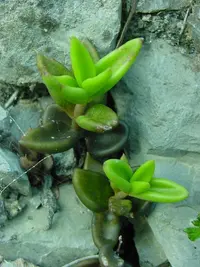
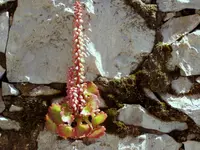
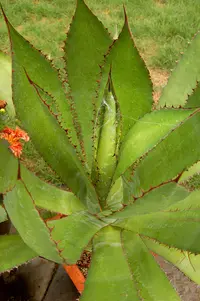
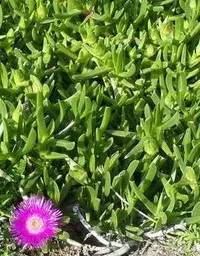
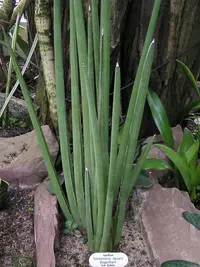
Plant with large, angular gravel or rocks mixed into and around the root zone to mimic its native scree slopes and keep the crown dry, which greatly reduces rot in long, wet periods.

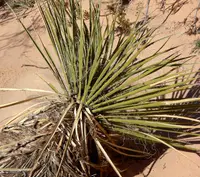
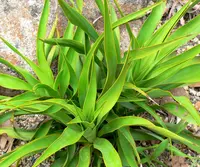
Utah yucca (Yucca utahensis) is a small, slow-growing desert shrub from the dry canyon slopes and rocky outcrops of the southwestern United States. It forms tight clusters of narrow, stiff, blue-green leaves with sharp tips and often develops multiple short trunks over time.
In spring, it sends up tall flower stalks with creamy white blooms that attract pollinators and add strong vertical accents to dry landscapes. It is highly drought tolerant and cold hardy, but very sensitive to poorly drained or heavy soils.
Because of its strict need for sharp drainage and full sun, it suits experienced gardeners or those willing to research how to care for Utah yucca before planting.

Care Difficulty
Moderate Care

Light Preference
Full Sun

Water Requirements
Low Water

Temperature Preference
Cold Hardy

Hardiness Zone
5–9

Soil Texture
Sandy, Rocky, Loamy

Soil pH
Neutral (7.0), Slightly alkaline (7.0–7.5)

Soil Drainage
Well-drained

Fertilization
Minimal (feed rarely)
Scan your plant to receive care tips personalized for your specific plant
Available on iOS and Android
This desert species thrives in strong sun but adapts to slight shade in hot regions.
This species is highly drought-tolerant and needs infrequent, careful watering.
This hardy yucca tolerates wide temperature swings when roots are well drained.
This desert yucca tolerates very low humidity and does not need any special moisture in the air.
Yucca utahensis needs very fast-draining, mineral-heavy soil that mimics rocky desert slopes.
This species adapts to container growing if the pot is managed to stay sharply drained and stable.
This desert-adapted species needs minimal feeding and often grows well in lean soil without added nutrients.
Pruning Yucca utahensis focuses on hygiene and safety rather than reshaping the plant.
Transplanting is more common than repotting, since this species is usually grown in the ground in arid landscapes.
Propagation is most practical by offsets, though seeds are also used for larger-scale growing.
This species is quite cold hardy and usually needs little active winter care in dry climates.

Plant Health Check
Not sure what's wrong with your plant? Check your plant's health inside the app.
This species is native to the cold, dry deserts of Utah, Nevada, and adjacent areas, where it tolerates high summer heat combined with winter frost and even occasional snow cover on very rocky slopes.
It has unusually thin, stiff, blue-green leaves edged with curly white filaments, a distinctive leaf form among yuccas that helps reduce surface area and water loss in its arid habitat.
Like other yuccas, it relies on yucca moths (Tegeticula species) that both pollinate the flowers and lay eggs in them, forming an obligate mutualism where neither partner completes its life cycle without the other.

Populations of this species are often scattered in very specific limestone or dolomite rock outcrops, so its natural distribution is patchy and closely tied to the underlying geology rather than just to climate or elevation.
Lack of flowering usually relates to plant age, insufficient maturity, or stress from transplanting. Poor nutrition, heavy shade, or repeated removal of leaves and offsets can also delay blooms. Stable conditions over several seasons often restore normal flowering.
Keep your plants happy and healthy with plant identification, disease detection, and easy care guidance.