Lenophyllum acutifolium Care

Lenophyllum acutifolium

About Lenophyllum acutifolium

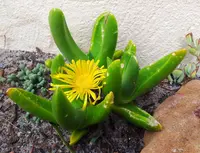
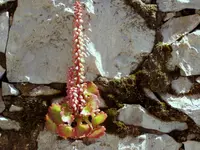
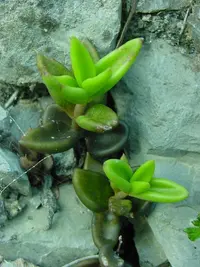
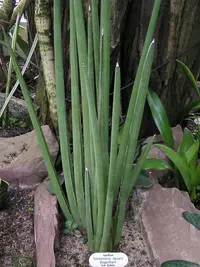
Lenophyllum acutifolium is a small, clump-forming succulent known for its narrow, pointed leaves and compact, low-growing habit. The foliage usually appears gray-green and may develop subtle red or purple tones in strong light.

This species is native to arid regions of northeastern Mexico, where it grows in rocky, well-drained sites with intense sun and low rainfall. Its drought tolerance and slow to moderate growth make it relatively easy to manage in pots or rock gardens.

For those learning how to care for Lenophyllum acutifolium, it generally prefers bright light, infrequent but deep watering, and gritty soil that dries quickly between waterings.

Main Plant Requirements

Care Difficulty

Easy Care

Light Preference

Full Sun

Water Requirements

Low Water

Temperature Preference

Tropical / Frost Sensitive

Hardiness Zone

10–11

Soil Texture

Sandy, Loamy, Rocky

Soil pH

Slightly acidic (6.5–7.0), Neutral (7.0)

Soil Drainage

Well-drained

Fertilization

Minimal (feed rarely)

Get Personalized Care Plan

Scan your plant to receive care tips personalized for your specific plant

Available on iOS and Android

How to Care for the Lenophyllum acutifolium

This compact succulent prefers bright, dry conditions with exposure similar to other sun-loving rock garden plants.

  • Provide 6–8 hours of direct sun, ideally morning to early afternoon; in very hot climates, give light afternoon shade to prevent leaf scorch.
  • In open ground, choose a south- or west-facing spot; on patios, place pots where they receive unblocked sun rather than under overhangs or dense trees.
  • In winter, ensure the plant still receives at least 4 hours of direct light; weak, stretched growth signals that light levels are too low.

Watering should be infrequent and guided by soil dryness to prevent root rot in this drought-adapted succulent.

  • Let the top 3–5 cm of soil dry completely before watering; in hot, dry weather this may mean watering every 10–21 days, less often in cool, humid periods.
  • Use sharply draining soil and, if in a pot, a container with a large drainage hole so water runs through quickly and does not pool around roots.
  • Wrinkling or slight leaf softness suggests underwatering, while mushy, translucent leaves or a sour soil smell indicate overwatering and possible root damage.

This species favors warm, dry conditions and does best where cold and excess winter moisture are limited.

  • Aim for 65–85°F (18–29°C) for active growth; brief peaks up to 95°F (35°C) are tolerated if soil drains well and air circulation is good.
  • Protect from frost; growth slows below 50°F (10°C), and prolonged exposure below 32°F (0°C) can kill foliage and roots, especially in wet soil.
  • In regions with cold winters, treat the plant as a tender perennial, moving containers to a frost-free spot or providing cover during cold nights.

This succulent handles typical indoor humidity but prefers drier air around 30–50%.

  • Tolerates dry rooms well, so extra humidifiers are unnecessary in most homes.
  • Watch for soft, pale, swollen leaves as a sign of excess humidity or poor air movement.
  • Increase air circulation with a small fan and avoid clustering plants tightly to prevent prolonged leaf moisture.

Lenophyllum acutifolium needs a very fast-draining, mineral-based substrate to prevent root rot.

  • Use a cactus/succulent mix amended 30–50% with extra coarse sand, pumice, or perlite for sharper drainage.
  • Aim for a gritty, open texture that dries quickly between waterings rather than a peat-heavy, moisture-holding base.
  • Keep pH slightly acidic to neutral (pH 6.0–7.0), which suits most commercial succulent mixes without extra adjustment.
  • Avoid dense garden soil, clay-heavy mixes, or large amounts of compost that stay wet and exclude air from the roots.

This species is well-suited to container growing, including small pots and dish gardens.

  • Choose a shallow but wide pot to accommodate its spreading habit while keeping the root zone from staying wet too deep down.
  • Use unglazed terracotta if possible, as its porous walls help excess moisture evaporate more quickly in cool or dim conditions.
  • Elevate the pot on feet or a stand so drainage holes remain clear and runoff escapes instead of pooling under the container.

This small succulent needs only light feeding to maintain compact, healthy growth.

  • During spring–summer, apply a diluted balanced liquid fertilizer (around 10-10-10 or 20-20-20) at 1/4 strength every 4–6 weeks.
  • Alternatively, use a very small amount of slow-release succulent fertilizer mixed into the topsoil at the start of the growing season.
  • Avoid rich composts; Lenophyllum acutifolium prefers lean, fast-draining substrates with minimal organic matter.
  • Stop feeding in fall–winter so the plant can rest and avoid soft, cold-sensitive growth.

Pruning is light and mainly cosmetic, used to keep Lenophyllum acutifolium compact and remove weak growth.

  • Best time is late winter to early spring before vigorous new growth starts.
  • Use clean, sharp scissors or small pruning shears to remove dead, damaged, or shriveled stems and leaves.
  • Shorten leggy shoots back to a node to encourage branching and a denser mound.
  • Remove crowded interior stems to improve airflow and reduce rot risk in humid conditions.

This succulent prefers slightly tight pots and only needs infrequent repotting to refresh the soil and manage root health.

  • Plan to repot every 2–3 years in spring when roots circle the pot, emerge from drainage holes, or growth slows without another clear cause.
  • Choose a container 2–3 cm wider with ample drainage and use a gritty, fast-draining cactus-succulent mix.
  • Lift the plant gently, loosen circling roots lightly with fingers, and remove old, soggy soil from the root ball.
  • After repotting Lenophyllum acutifolium, wait 3–5 days before watering to let minor root injuries dry and reduce rot risk.

Propagation is straightforward and commonly done from stem or leaf cuttings to expand a small clump.

  • Take healthy, non-flowering stem tips or firm leaves in spring–summer for best rooting response.
  • Allow cut surfaces to dry and callus for 1–3 days in a shaded, airy spot before planting.
  • Set cuttings on or slightly into a dry, gritty mix; provide bright indirect light and very light, infrequent watering.
  • Maintain warmth around 70–80°F and good airflow until roots form, then treat new plants as mature specimens.

This succulent is tender and benefits from simple winter precautions in regions with frost or prolonged cold.

  • Lenophyllum acutifolium is not frost-hardy and generally needs temperatures kept above 40°F.
  • Move container plants indoors or into an unheated but frost-free, bright space before the first freeze.
  • Keep soil almost dry in winter; water only sparingly to prevent root rot in cool conditions.
  • Outdoors in mild climates, use a very gritty mix and shelter from cold rain to limit moisture around roots.

Care Tips

Strategic leaf removal

Remove a few of the oldest, most shaded leaves at the base with clean scissors once or twice a year to improve air circulation and reduce the risk of rot in the dense center of the plant.

Compact growth management

If stems become overly elongated, cut them back by 1/3 and replant the healthy tips as cuttings in the same pot to maintain a compact mound and refresh older, woody growth.

Root health monitoring

Lift the plant gently out of its pot once a year to inspect roots, trimming any black, mushy, or hollow roots and repotting into fresh, dry mix to prevent hidden rot from spreading.

Controlled outdoor sun exposure

When moving the plant outdoors for summer, increase direct sun exposure gradually over 10–14 days to avoid sudden leaf scorching while still encouraging stronger, more compact growth.

Winter light adjustment

In winter, move the plant to the brightest available spot and rotate the pot 1/4 turn every 1–2 weeks to keep growth even and reduce weak, one-sided stretching when growing Lenophyllum acutifolium in low seasonal light.

Common Pests and Diseases

Mealybugs

This pest feeds on succulent leaves and stems, sucking sap and causing slowed growth, yellowing, and sticky honeydew that can attract sooty mold. Symptoms include white, cottony clusters in leaf axils and along stems.

Solution

Isolate the plant, then dab visible insects with cotton swabs dipped in 70% isopropyl alcohol and gently wipe affected areas. Repeat weekly until no new clusters appear, and improve air movement and light levels to reduce reinfestation as part of Lenophyllum acutifolium care instructions.

Succulent scale

These insects attach tightly to stems and leaf bases, appearing as small brown or tan bumps that do not rub off easily. This pest removes sap, leading to dull, weakened foliage and occasional leaf drop.

Solution

Scrape off individual scales with a soft toothbrush or wooden tool, then wipe stems with a cloth lightly moistened with diluted alcohol or insecticidal soap. Repeat inspections every 7–10 days and prune heavily infested stems to prevent spread to nearby succulents.

Aloe mite-like gall

Symptoms include distorted, thickened, or blistered patches on leaves and stems that may turn corky or brown over time. This disease-like galling is caused by microscopic eriophyid mites that trigger abnormal tissue growth on succulent species.

Solution

Prune out and discard all deformed tissue well back into healthy growth, disinfecting tools between cuts. Keep new growth under bright, dry, well-ventilated conditions and avoid moving cuttings or tools from affected plants to healthy ones.

Fungal leaf spots

This disease produces small tan, brown, or dark spots on leaves, sometimes with a yellow halo, especially after periods of prolonged surface moisture. Symptoms include gradual cosmetic damage that can expand into larger lesions on stressed plants.

Solution

Remove and discard affected leaves, then keep foliage dry by watering at the soil level and spacing plants for better airflow. In persistent humid conditions, a light application of a sulfur-based or copper-based fungicide labeled for succulents can be used according to directions.

Interesting Facts

Tiny South Texas native

This succulent is naturally restricted to a small area of the Lower Rio Grande Valley of southern Texas, where it grows on exposed, rocky limestone outcrops in very shallow soil pockets.

Distinctive sharp leaf tips

The plant’s narrow, gray-green leaves end in a noticeably sharp, stiff tip, which is reflected in the species name acutifolium, meaning sharp-leaved.

Woody-based miniature rosettes

Mature plants develop a short, woody base that supports clusters of small rosettes, an adaptation that helps anchor them on rock ledges and withstand strong sun and drying winds.

FAQs about Lenophyllum acutifolium

Brown leaves usually come from overwatering, cold drafts, or direct scorching sun. Check that the pot drains well, allow soil to dry between waterings, protect from cold, and provide bright but softened light to reduce damage.

Grow Healthy Plants with Botan Care

Keep your plants happy and healthy with plant identification, disease detection, and easy care guidance.

Botan plant care app — identify plants on mobile

Explore More Plants