Feather River stonecrop Care (Sedum albomarginatum)

Feather River stonecrop

About Feather River stonecrop

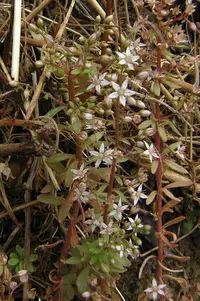
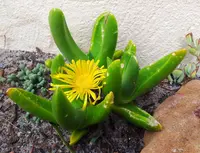
Feather River stonecrop (Sedum albomarginatum) is a small, compact succulent native to rocky outcrops along the Feather River region of California. It forms tight mats or low clumps with fleshy leaves edged in pale, contrasting margins. This species grows slowly and tends to stay low to the ground, making it suitable for rock gardens, troughs, or small containers. Its shallow roots and drought tolerance reflect its origin on thin, fast-draining soils. For gardeners learning how to care for Feather River stonecrop, its main needs are strong light, very sharp drainage, and infrequent watering, which help prevent rot and maintain its compact form.

Main Plant Requirements

Care Difficulty

Moderate Care

Light Preference

Full Sun

Water Requirements

Low Water

Temperature Preference

Cold Hardy

Hardiness Zone

5–9

Soil Texture

Sandy, Loamy, Rocky

Soil pH

Slightly acidic (6.5–7.0), Neutral (7.0)

Soil Drainage

Well-drained

Fertilization

Minimal (feed rarely)

Get Personalized Care Plan

Scan your plant to receive care tips personalized for your specific plant

Available on iOS and Android

How to Care for the Feather River stonecrop

Sedum albomarginatum prefers bright, direct light for compact, colorful growth.

  • Aim for 6–8 hours of direct sun daily, with morning sun and light afternoon shade ideal, especially in hotter regions to reduce leaf scorch risk.
  • Feather River stonecrop tolerates light partial shade (around 3–4 hours of direct sun), but stems may stretch and leaf margins lose contrast if light is too low.
  • In summer heat, protect from intense late-afternoon sun; in winter, ensure an open, unobstructed site to maximize low-angle light.

This species is drought-tolerant and prefers infrequent, deep watering rather than frequent light drinks.

  • Outdoors in fast-draining soil, water only when the top 3–5 cm of soil are completely dry, then soak the root zone and allow excess to drain away.
  • Reduce watering sharply in cool or wet seasons; natural rainfall is often enough, and additional water should only be given when leaves begin to soften or wrinkle slightly.
  • Watch for overwatering signs such as yellowing, translucent, or mushy leaves and any stem base softening, and improve drainage or extend dry periods if seen.

This stonecrop prefers temperate, relatively dry conditions with good airflow.

  • Active growth is strongest around 65–80°F (18–27°C), while still acceptable from about 55–85°F (13–29°C) if soil is well drained.
  • Sedum albomarginatum generally tolerates light frost down to about 25°F (-4°C) when established, but repeated freeze-thaw cycles in wet soil greatly increase rot risk.
  • In hot spells above 90°F (32°C), provide afternoon shade and avoid overhead watering during peak heat to limit stress and fungal problems.

Humidity is rarely a concern for Sedum albomarginatum, which prefers dry air and arid conditions.

Sedum albomarginatum grows best in very fast-draining, mineral-based soil that prevents water from sitting around the roots.

  • Use a gritty mix such as 50–70% inorganic material (pumice, coarse sand, or small gravel) blended with 30–50% low-organic cactus mix.
  • Aim for a neutral to slightly alkaline pH around 6.5–7.5 to match the plant’s rocky native habitats.
  • Increase aeration and drainage by avoiding fine peat-heavy mixes that compact and hold water for long periods.
  • Never use dense garden soil or clay-based mixes in pots, as these dramatically increase the risk of root rot.

This species is suitable for container growing, especially shallow, wide pots that mimic rocky outcrops for Feather River stonecrop.

  • Choose a heavy or low, wide container to reduce tipping, since the plant can sprawl over the pot edges.
  • Select unglazed terracotta or similarly porous material to help moisture evaporate quickly from the root zone.
  • Fill the container to just below the rim with a coarse, rocky mix so water drains immediately and does not pool at the crown.

Sedum albomarginatum is adapted to lean, rocky soils and needs only modest feeding in cultivation.

  • Use a diluted balanced liquid fertilizer (around 10-10-10) at 1/4–1/2 strength during active growth in spring–summer.
  • Apply no more than once every 4–6 weeks to container plants; in-ground clumps often manage without feeding.
  • Avoid rich compost layers; a very thin top-dressing of gritty compost in spring is sufficient.
  • Stop feeding in fall and winter to keep Feather River stonecrop compact and prevent weak, frost-sensitive growth.

Sedum albomarginatum benefits from light, targeted pruning to maintain a compact, healthy mound.

  • Best timing is late winter to early spring, before strong new growth begins.
  • Remove dead, damaged, or leggy stems with clean, sharp scissors or small pruning snips.
  • Thin out crowded shoots to allow better air flow and light penetration, which supports dense growth.
  • After flowering, trim spent flower stems to tidy the plant and direct energy back to roots and foliage.

This sedum prefers stable, well-drained sites and only needs occasional repotting or transplanting.

  • Consider moving the plant when roots circle the pot, drainage slows, or growth becomes weak despite good light.
  • Carry out repotting or transplanting in spring, allowing the plant a full growing season to re-establish.
  • Plan for repotting containers about every 3–4 years into a slightly wider, shallow pot with gritty, fast-draining mix.
  • Minimize root stress by watering lightly the day before, handling the root ball gently, and shading for a few days after transplanting.

Sedum albomarginatum is commonly multiplied by cuttings or careful division under suitable conditions.

  • Take short, non-flowering stem cuttings in late spring–summer and allow cut ends to dry for 1–2 days.
  • Set cuttings on or just into a gritty, well-drained mix and keep slightly moist until roots form.
  • Divide mature clumps in spring, keeping each division with healthy roots and several stems.
  • Seeds can also be used; sow on the surface of a sandy seed mix with bright light and consistent, light moisture.

This sedum is relatively cold hardy but benefits from simple winter care in colder regions.

  • Established in-ground plants tolerate moderate frost if soil drains freely and does not stay waterlogged.
  • In cold climates, add a thin gravel or stone mulch to insulate the root zone while keeping crowns dry.
  • Container plants are more vulnerable; move pots to a sheltered, unheated but frost-light area if prolonged hard freezes are expected.

Care Tips

Rock crevice planting

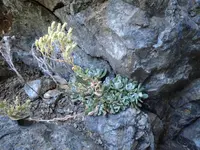
Tuck plants into narrow rock crevices or between pavers so excess water drains quickly and stems can root along the edges, which stabilizes the mat and reduces rot risk.

Encourage stolon rooting

Gently press creeping stems into contact with the soil or gravel and pin them with small rocks or U-shaped wire so they root at nodes and thicken groundcover patches faster.

Algae and moss control

If moss or algae forms on the soil surface, lightly scrape it off and top-dress with a thin layer (0.5–1 cm) of coarse grit to keep the crown dry and improve air movement around stems.

Winter rain protection

In very wet winters, place a simple clear cover or cold frame over outdoor clumps to shed excess rain while still allowing bright light, which significantly reduces crown and root rot.

Propagation insurance

Take a few stem cuttings from healthy, non-flowering shoots each year and root them in a separate pot so you always have backup plants if a main clump declines, which is a good practice when caring for Feather River stonecrop.

Common Pests and Diseases

Aphids

This pest feeds on tender new growth, sucking sap and causing distortion, stunting, and sticky honeydew deposits on stems and leaves. Symptoms include curling foliage and, in severe cases, sooty mold growing on the honeydew.

Solution

Rinse colonies off with a firm stream of water and pinch back heavily infested shoots. If needed, apply insecticidal soap or a light horticultural oil, making sure to coat stems and leaf undersides, and repeat at 5–7 day intervals until populations collapse.

Mealybugs

These insects appear as small white cottony masses tucked into leaf joints and along stems, where they suck plant sap and weaken clumps over time. Symptoms include slowed growth, yellowing, and sticky residue around infested areas.

Solution

Dab visible mealybugs with cotton swabs dipped in isopropyl alcohol and remove heavily infested shoots. For larger populations, use insecticidal soap or a low-rate systemic insecticide labeled for succulents, and isolate affected plants to prevent spread during treatment.

Spider mites

This pest thrives in hot, dry conditions, causing fine stippling on leaves, dull or bronzed foliage, and very fine webbing between stems. Symptoms include overall loss of vigor and a dusty appearance on affected areas.

Solution

Increase humidity around plants grown in very dry, sheltered spots and hose down foliage to physically remove mites and webbing. For persistent infestations, apply insecticidal soap or a miticide labeled for ornamental succulents, repeating treatments as needed while improving airflow and avoiding prolonged drought stress.

Powdery mildew

This disease presents as white to gray, powdery patches on leaves and stems, which can lead to distorted, stunted growth under crowded or poorly ventilated conditions. Symptoms include reduced vigor and premature leaf drop in more severe cases.

Solution

Improve air circulation, avoid frequent overhead watering, and thin or divide overcrowded clumps. Remove and discard affected leaves, and if conditions stay favorable for the disease, apply a sulfur-based or bicarbonate fungicide labeled for ornamentals according to label directions.

Bacterial leaf spot

This disease causes small water-soaked spots on leaves that may enlarge, darken, and sometimes develop a yellow halo, especially in warm, wet weather or where water lingers on foliage. Symptoms include patchy, unattractive foliage and localized tissue collapse on heavily affected leaves.

Solution

Remove and discard affected leaves promptly and avoid overhead watering or splashing water from plant to plant. Improve spacing for faster drying, disinfect tools used on infected plants, and if outbreaks persist, consider relocating plants to a site with better airflow and drier foliage conditions as part of broader Sedum albomarginatum care instructions.

Interesting Facts

Feather River endemic

This species is naturally restricted to a very small area along the Feather River in Plumas County, California, where it grows on steep, rocky slopes and ledges.

White-edged foliage

Its leaves have a distinctive pale to whitish margin that contrasts with the darker green center, giving the rosettes a bicolored appearance that is unusual within closely related sedums.

Threatened wild populations

Wild populations are considered rare and vulnerable because of their tiny range and habitat disturbance from activities such as road building and hydroelectric infrastructure.

Botan icon

Did you know?

This species is one of only a few stonecrops in North America that are considered narrow endemics to a specific river canyon, making Sedum albomarginatum care a topic of interest for conservation-minded growers who help maintain ex situ populations in cultivation.

FAQs about Feather River stonecrop

This species forms small, low clumps and slowly expands outward, but it is not aggressive. It spreads modestly by short stems and offsets, so regular division or edging usually keeps it neatly contained in rock gardens or troughs.

Grow Healthy Plants with Botan Care

Keep your plants happy and healthy with plant identification, disease detection, and easy care guidance.

Botan plant care app — identify plants on mobile

Explore More Plants