Pink Stonecrop Care (Sedum cepaea)

Pink Stonecrop

About Pink Stonecrop

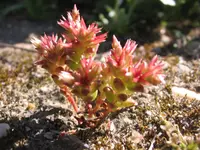
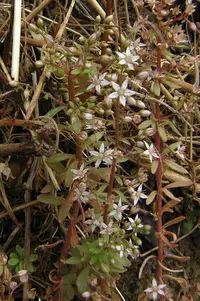
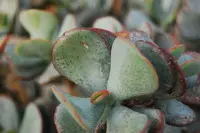
Pink stonecrop, Sedum cepaea, is a small, short-lived succulent often grown as a groundcover or in rock gardens and containers. It forms low, delicate clumps with fleshy leaves and airy clusters of tiny star-shaped flowers.

This species is native to parts of southern and central Europe, where it often grows on rocky slopes, walls, and dry, well-drained soils. Its modest size and relatively fast growth make it suitable for small spaces.

Sedum cepaea prefers bright light, low to moderate water, and gritty soil, which generally makes it simple to care for Pink Stonecrop if the soil never stays wet for long.

Main Plant Requirements

Care Difficulty

Easy Care

Light Preference

Full Sun

Water Requirements

Low Water

Temperature Preference

Cold Hardy

Hardiness Zone

5–9

Soil Texture

Sandy, Loamy, Rocky

Soil pH

Slightly acidic (6.5–7.0), Neutral (7.0)

Soil Drainage

Well-drained

Fertilization

Minimal (feed rarely)

Get Personalized Care Plan

Scan your plant to receive care tips personalized for your specific plant

Available on iOS and Android

How to Care for the Pink Stonecrop

This small rock-garden sedum prefers bright, direct light but tolerates some shade.

  • Provide 4–6 hours of direct sun daily, ideally morning sun with light afternoon shade to reduce leaf scorch.
  • Tolerates light or partial shade, but stems may stretch and color may fade if it receives less than 3–4 hours of sun.
  • In hot summers, protect Pink Stonecrop from intense afternoon sun, and in winter ensure it is not shaded by taller plants or structures.

This shallow-rooted succulent needs infrequent, light watering and sharply draining soil.

  • Allow the top 2–4 cm of soil to dry completely before watering; in cool, rainy climates, natural rainfall often suffices.
  • During active growth in spring and early summer, water only when leaves start to feel slightly less firm; reduce watering further in late summer and winter dormancy.
  • Watch for mushy, translucent leaves and a sour soil smell as signs of overwatering, and wrinkling or soft, deflated leaves as signs of underwatering in Sedum cepaea patches.

This species prefers mild conditions and handles cool weather better than extreme heat.

  • Optimal growth occurs around 60–75°F (16–24°C), with best color and compact form in the cooler part of this range.
  • The plant tolerates light frost down to about 25°F (-4°C) if soil drains well, but repeated freeze–thaw in soggy ground can damage roots.
  • It copes with short heat spells up to about 90°F (32°C) if soil is not waterlogged; provide afternoon shade and avoid overhead watering during very hot, sunny periods.

This species handles a wide humidity range and rarely needs special humidity management indoors.

  • Aim for 30–50% humidity, which matches typical indoor air and suits Pink Stonecrop well.
  • Dry air is usually tolerated, but extremely arid rooms plus heat can cause leaf shriveling or browning tips.
  • If plants show shriveled foliage, increase humidity slightly by grouping pots together rather than misting.

Sedum cepaea prefers mineral, fast-draining substrate that dries quickly between waterings.

  • Use a gritty mix such as 50–60% cactus/succulent mix blended with coarse sand or fine gravel for structure.
  • Ensure very rapid drainage; the soil should not stay wet for more than 1–2 days after watering.
  • Keep pH slightly acidic to neutral, around 6.0–7.0, which most commercial cactus mixes already provide.
  • Avoid heavy, peat-dense or clay-heavy substrates and improve aeration by adding extra perlite or pumice if water lingers.

This species is well suited to container growing, including shallow dishes and balcony planters.

  • Choose wide, shallow pots to match its fibrous, surface-rooting habit and to prevent water collecting deeply around roots.
  • Select unglazed terracotta when possible, as it speeds evaporation and reduces the risk of chronic wetness in cool weather.
  • Elevate pots on feet or mesh so drainage holes never sit directly in saucers or on flat surfaces where water can pool.

This small succulent needs only modest feeding to stay healthy and compact.

  • Use a diluted balanced liquid fertilizer (around 10-10-10) at 1/4–1/2 strength for Pink Stonecrop in containers.
  • Feed lightly every 4–6 weeks during spring and summer if growth appears weak or leaves pale.
  • Skip fertilizer in fall and winter, when growth slows and the plant rests.
  • Avoid rich compost or heavy feeding, which can cause soft, leggy growth and root problems.

Light pruning keeps Sedum cepaea tidy and encourages compact new growth.

  • Best time for pruning is late spring to early summer, after new growth has emerged.
  • Use clean, sharp scissors or small pruners to remove dead, damaged, or mushy stems and spent flower heads.
  • Shorten stretched or crowded stems to shape low, dense mats and reduce flopping.
  • Dispose of diseased material; healthy stem tips can be kept for cuttings if desired.

This shallow-rooted sedum dislikes disturbance, so repot or transplant only when clearly needed.

  • Check for roots circling the pot, slow growth, or very fast drying soil as signs it needs a move.
  • Plan repotting or outdoor transplanting for spring, allowing a full warm season for recovery.
  • Expect container plants to need a larger, shallow pot only every 2–3 years, with fresh gritty mix added.
  • Water lightly after moving, keep in bright but not harsh sun for 7–10 days, and avoid fertilizing until new growth appears.

Sedum cepaea is commonly multiplied from small cuttings or self-sown seed.

  • Take short stem cuttings in late spring or summer, let cut ends dry for 1–2 days, then place on gritty, barely moist mix.
  • Press detached rosettes or leaves onto the surface rather than burying them; roots form best in bright, indirect light.
  • Sow fine seed on the surface in spring, do not cover, and keep evenly barely moist until germination.
  • Maintain good air circulation and avoid overwatering to prevent rot in young plants.

This sedum is fairly cold hardy and in many climates needs minimal winter attention outdoors.

  • In colder regions, a light, dry mulch around the crown helps insulate shallow roots without trapping moisture.
  • Ensure soil drains very well; excess winter wet is more damaging than frost for this species.
  • Move small containers under cover or indoors to a bright, cool, frost-free place if prolonged freezes are expected.

Care Tips

Encourage Compact Growth

Pinch back soft tips of longer stems in spring to keep the plant dense and low, and use the cut pieces as stem cuttings by laying them on the soil surface until they root.

Use Gravel Mulch

Add a 0.5–1 in layer of coarse grit or small gravel on top of the soil to keep stems dry at the base, reduce algae and moss, and prevent rot in wet spells.

Root Simple Cuttings

Take 2–3 in non-flowering stem pieces, let the cut ends dry for 1–2 days, then place them on fast-draining substrate under bright shade until new roots anchor the cuttings.

Protect From Heavy Rain

In very wet periods, move containers under a roof overhang or use a simple cold frame or cloche to keep excess rain off the foliage and prevent stem collapse.

Overwinter Lightly

In cold regions, keep outdoor containers barely moist and sheltered from winter rain, or move them to a cold, bright, frost-free spot to simplify caring for Pink Stonecrop through the dormant season.

Common Pests and Diseases

Aphids

This pest often clusters on tender stems and flower buds, sucking sap and causing distortion, sticky honeydew, and reduced vigor in this small Sedum.

Solution

Rinse colonies off with a firm stream of water and pinch back heavily infested shoot tips; for persistent infestations, apply insecticidal soap or a light horticultural oil, making sure to coat stem joints and the undersides of leaves, and repeat at 5–7 day intervals until new growth appears clean.

Mealybugs

These insects hide in stem joints and leaf bases, feeding on sap and leaving white, cottony masses that can weaken compact mats of foliage.

Solution

Dab visible insects with cotton swabs dipped in isopropyl alcohol, then rinse the plant gently; in more severe cases, use insecticidal soap or a systemic product labeled for succulents, and reduce excess nitrogen fertilizer that encourages soft, mealybug-prone growth.

Spider mites

This pest thrives on Sedum foliage in hot, dry conditions, causing fine webbing, pale stippling, and a dusty appearance on the small leaves.

Solution

Increase humidity around the plant, then hose down all foliage to dislodge mites; repeat thorough rinsing every few days and, if needed, use insecticidal soap or neem oil, ensuring complete coverage of both leaf surfaces and stems.

Powdery mildew

This disease can appear as white, powdery patches on leaves and stems, especially when dense clumps stay shaded and stagnant after rain or overhead watering.

Solution

Remove the most affected shoots to improve airflow, water at soil level instead of from above, and, if the problem persists, apply a sulfur or potassium bicarbonate fungicide labeled for ornamentals, keeping surrounding groundcovers thinned so foliage can dry quickly.

Leaf spots

Symptoms include small tan, brown, or purplish spots on leaves that may merge under prolonged wet conditions, causing premature leaf drop in compact cushions.

Solution

Promptly remove and discard affected leaves and any plant debris, avoid wetting foliage, and improve air movement around the planting; in recurring cases, use a copper-based or other ornamental fungicide during wet spells, following label directions for succulent groundcovers and focusing on preventive coverage of healthy foliage.

Interesting Facts

Ephemeral annual lifecycle

Sedum cepaea is an annual stonecrop that completes its entire life cycle within a single growing season, unlike many other Sedum species that are perennial. It survives unfavorable seasons only as seed, not as persistent roots or fleshy stems.

Tiny Montjuïc native

This species is naturally associated with rocky habitats in parts of southwestern Europe, including the Montjuïc hill area near Barcelona. It typically grows in thin soils on cliffs, walls, and stony slopes where many other plants cannot establish.

Delicate pink foliage

Mature plants often develop soft pink to reddish tones in their small, fleshy leaves, especially under strong light and drier conditions. This pigmentation comes from anthocyanins, protective pigments that help shield the tissues from excess light and mild stress.

FAQs about Pink Stonecrop

This species spreads gently by short stems and self-seeding, forming loose mats rather than dense carpets. It can reseed around gravel or rock crevices, but unwanted seedlings pull up easily and rarely become a serious nuisance.

Grow Healthy Plants with Botan Care

Keep your plants happy and healthy with plant identification, disease detection, and easy care guidance.

Botan plant care app — identify plants on mobile

Explore More Plants