Sedum cespitosum Care

Sedum cespitosum

About Sedum cespitosum

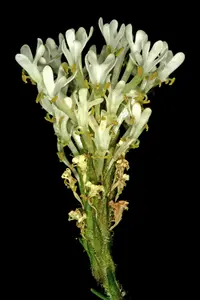
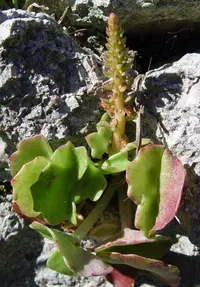
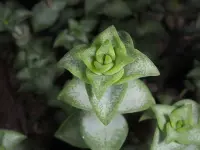
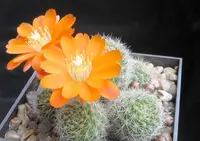
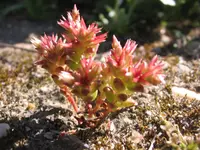
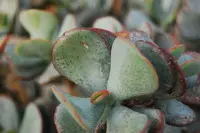
Sedum cespitosum is a small, mat-forming succulent that produces tight cushions of tiny, fleshy leaves. It often shows green to reddish tones, especially in strong light.

This species is native to rocky, dry habitats around the Mediterranean region, where it grows in shallow, poor soils and full sun. Its compact growth and drought tolerance make it relatively easy to manage in containers, rock gardens, or green roofs.

Because it stores water in its leaves, it copes well with irregular watering and short dry periods. Light, well-drained soil and plenty of sun are usually enough to care for Sedum cespitosum successfully.

Main Plant Requirements

Care Difficulty

Easy Care

Light Preference

Full Sun

Water Requirements

Low Water

Temperature Preference

Warm Climate

Hardiness Zone

7–10

Soil Texture

Sandy, Loamy, Rocky

Soil pH

Slightly acidic (6.5–7.0), Neutral (7.0)

Soil Drainage

Well-drained

Fertilization

Minimal (feed rarely)

Get Personalized Care Plan

Scan your plant to receive care tips personalized for your specific plant

Available on iOS and Android

How to Care for the Sedum cespitosum

This small annual stonecrop prefers bright, direct sun but can tolerate some light shade.

  • Provide 6–8 hours of direct sun daily, ideally with strong morning sun and lighter afternoon exposure in hot climates.
  • Allow light partial shade (2–4 hours) in regions with very intense summer sun to reduce leaf scorching and desiccation.
  • Watch for leggy, pale growth as a sign of insufficient light and for bleached, crispy foliage as an indicator of excessive sun intensity.

This species needs sparse, well-timed watering suited to a drought-tolerant succulent.

  • Water only when the top 2–4 cm of soil are completely dry, then soak the root zone and let excess drain away quickly.
  • Use very well-drained, gritty soil so water does not pool around the fine roots, which easily rot in saturated conditions.
  • In warm growing seasons, watch for shriveling leaves as a sign to water; in cooler periods, reduce frequency and monitor for soft, translucent leaves from overwatering.

This annual sedum prefers warm, dry conditions and tolerates a moderate temperature range.

  • Aim for active growth in 65–80°F (18–27°C), where stems stay compact and foliage colors well.
  • Protect from hard frost; plants are usually damaged below 28°F (-2°C) and will not survive prolonged freezing.
  • In hot spells above 90°F (32°C), growth may slow; ensure sharp drainage and avoid combined stress from heat and excessive soil moisture.

This species prefers dry air and typical indoor humidity, so humidity management is rarely necessary.

This small succulent needs sharply draining, gritty soil to prevent root rot.

  • Use a sandy, mineral-rich mix such as 50–60% cactus potting mix blended with coarse sand or fine gravel.
  • Add 20–30% perlite or pumice to increase aeration and speed drainage, especially in containers.
  • Aim for slightly acidic to neutral pH around 6.0–7.0, which supports nutrient uptake without stressing roots.
  • Avoid compacted, clay-heavy, or moisture-retentive mixes, as Sedum cespitosum is highly sensitive to waterlogged conditions.

This species is well suited to container growing.

  • Choose a wide, shallow pot that matches its mat-forming habit so stems can spread without crowding roots vertically.
  • Select unglazed terracotta if extra evaporation is needed in wet or cool climates to reduce prolonged moisture around roots.
  • Place containers where rainfall or irrigation cannot collect in saucers or cachepots, keeping runoff freely draining away.

This small annual sedum needs only modest feeding in most garden soils.

  • In very poor, sandy soils, apply a light dose of balanced NPK fertilizer (such as 5-5-5) once at the start of the growing season.
  • Use a half-strength liquid fertilizer or a thin layer of compost to avoid excessive, weak growth.
  • Avoid high-nitrogen products, which reduce drought tolerance and may cause legginess.
  • Skip feeding in late fall and winter, since Sedum cespitosum slows growth and gains no benefit.

Pruning needs for Sedum cespitosum are minimal and mainly cosmetic.

  • In early to mid spring, trim away dead or winter-damaged stems with clean, sharp scissors or snips.
  • Remove crowded or sprawling shoots to maintain a compact, mound-forming shape.
  • Deadhead spent flower stalks if a tidier appearance is desired or to limit self-seeding.
  • Disinfect tools before and after use to reduce the risk of disease spread.

This shallow-rooted sedum rarely needs frequent repotting but may benefit from occasional transplanting in containers.

  • Check for roots circling the pot drainage holes or noticeably slowed growth as signs it needs more space.
  • Plan to repot or transplant in spring, about every 2–3 years for container-grown plants.
  • Choose a slightly wider, shallow pot with very free-draining succulent mix to prevent root rot.
  • Handle the root ball gently, loosen circling roots lightly, and water sparingly for a week to limit stress.

Sedum cespitosum is commonly multiplied from seed and short stem cuttings.

  • Sow seeds in spring on the surface of a very well-drained mix, as light aids germination.
  • Keep the seed tray just moist and warm (65–75°F) until seedlings appear, then increase light gradually.
  • For cuttings, take non-flowering shoots, let cut ends dry 1–2 days, then press into barely moist substrate.
  • Provide bright, indirect light and low watering until roots form, then transition to full-sun conditions.

This small sedum is relatively cold tolerant and often needs little specific winter care in mild climates.

  • In regions with freezing winters, a light gravel or grit mulch helps insulate the root zone and improve drainage.
  • Avoid waterlogged soil in winter, as cold, wet conditions increase risk of rot.
  • For containers in colder zones, move pots to a sheltered, frost-free but bright spot until temperatures moderate.

Care Tips

Thin Dense Mats

Every 1–2 years, lift and gently thin out the thickest mats to improve air flow around stems and reduce the risk of rot and fungal spots in humid periods.

Use Gravel Mulch

Apply a 0.5–1 in layer of coarse grit or small gravel around the plants to keep foliage dry, stabilize soil temperature, and discourage weed seedlings without holding excess moisture.

Propagate From Breakage

When stems break or sprawl beyond the desired area, trim and press the cuttings lightly into the surface of a gritty mix to quickly root new patches and fill gaps.

Winter Rain Protection

In climates with cold, wet winters, place containers under an eave or use a simple clear cover that blocks steady rain but allows strong light, which helps prevent cold-related root loss.

Monitor Ant Activity

Check for ants farming aphids in the foliage and, if present, treat the ants’ access routes or nearby nests first, which often reduces recurring sap-sucking pests when growing Sedum cespitosum.

Common Pests and Diseases

Mealybugs

This pest feeds on succulent stems and leaves, sucking sap and leaving white, cotton-like clusters in tight crevices of the mats. Symptoms include stunted growth, yellowing patches, and sticky honeydew that can lead to sooty mold on dense cushions.

Solution

Isolate affected plants, then dab visible insects with cotton swabs dipped in 70% isopropyl alcohol or use a strong jet of water to dislodge them from stems and leaf bases. For larger colonies in outdoor plantings, apply an insecticidal soap or neem oil spray in the early morning, repeating every 7–10 days until new growth appears clean.

Aphids

These insects cluster on tender new shoots and flower stems, extracting sap and causing distortion, curling, and reduced flowering in low-growing patches. Honeydew deposits can encourage sooty mold, especially where air movement is poor.

Solution

Rinse colonies off with a firm stream of water, paying attention to undersides of leaves and young stems. If populations rebound, treat with insecticidal soap or a light horticultural oil, and reduce excess nitrogen fertilization that promotes overly soft, aphid-prone growth when growing Sedum cespitosum.

Fungal leaf spots

This disease appears as small, irregular brown or black spots on leaves, often starting in areas that stay damp within the tight cushions. Symptoms include premature leaf drop and thinning patches, especially in humid or poorly ventilated sites.

Solution

Remove and discard affected leaves and any heavily infected stems, then improve airflow by thinning overcrowded sections and avoiding overhead watering late in the day. In persistent cases, apply a sulfur or copper-based fungicide labeled for succulents, ensuring the planting dries quickly after rain or irrigation.

Crown and stem rot

This disease develops in waterlogged or compacted soil, causing lower stems and the plant base to become soft, brown, and collapsed. Symptoms include sudden dieback of individual clumps despite adequate light, often starting in the densest, least-aerated areas of the mat.

Solution

Cut out and discard all mushy, discolored tissue and any attached soil, then replant healthy cuttings in sharply drained, gritty substrate. Prevent recurrence by raising beds or using rock gardens, avoiding overwatering, and ensuring the site does not remain saturated after rain.

Interesting Facts

Mediterranean winter annual

This species is a tiny winter annual native to the Mediterranean region, germinating in the cool, moist season and completing its life cycle by early summer as the soil dries.

Specialist of thin soils

It often grows in very shallow, rocky, or compacted substrates such as old walls, pavements, and road edges, where few other vascular plants can persist.

Minute fleshy foliage

The plant forms low, tufted mats of very small, fleshy leaves, an adaptation that helps reduce water loss and lets it survive in exposed, drought-prone microhabitats.

FAQs about Sedum cespitosum

This species forms small clumps and can self-seed, but it is not usually aggressive. It may spread in open, sunny, well-drained spots, yet is generally easy to keep within bounds by light thinning.

Grow Healthy Plants with Botan Care

Keep your plants happy and healthy with plant identification, disease detection, and easy care guidance.

Botan plant care app — identify plants on mobile

Explore More Plants