

Encourage Compact Growth
Pinch back soft shoot tips every 3–4 weeks during active growth to keep stems compact and encourage denser side-branching instead of leggy, trailing growth.

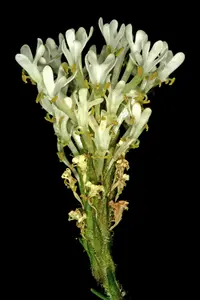
Fringe falseslugwort (Dischisma ciliatum) is a small, mat-forming perennial from the figwort family, often grown as a groundcover or trailing container plant. It usually has fine, opposite leaves and produces small, tubular flowers that give a soft, delicate look.
This species is native to South Africa, where it grows in sunny, open habitats with well-drained, often sandy soils. It is generally not difficult to grow if given good light, moderate moisture, and a free-draining substrate. Gardeners who learn how to care for Fringe Falseslugwort usually value its compact growth and neat habit.

Care Difficulty
Moderate Care

Light Preference
Full Sun

Water Requirements
Moderate Water

Temperature Preference
Warm Climate

Hardiness Zone
Unknown

Soil Texture
Sandy, Loamy, Rocky

Soil pH
Acidic (5.5–6.5)

Soil Drainage
Well-drained

Fertilization
Minimal (feed rarely)
Scan your plant to receive care tips personalized for your specific plant
Available on iOS and Android
Dischisma ciliatum prefers bright conditions that mimic open, sunny habitats without prolonged scorching midafternoon sun.
This species prefers a lightly moist but airy root zone and is sensitive to prolonged saturation.
This plant grows best in mild, frost-free conditions with moderate warmth through the growing season.
This species prefers moderately dry air and usually does not need special humidity management indoors.
This species prefers a light, sharply drained, sandy mix that stays airy around the roots.
This species is well suited to container growing due to its small, mat-forming habit.
This small South African species, also called Fringe Falseslugwort, grows best with light, targeted feeding rather than heavy fertilization.
Pruning Dischisma ciliatum is mainly about light shaping and hygiene rather than heavy cutting.
Dischisma ciliatum has a relatively fine root system that prefers gentle handling during any repotting or transplanting.
Dischisma ciliatum is most commonly propagated from soft to semi-ripe stem cuttings taken during the warm growing season.
This species prefers mild, frost-free conditions and benefits from simple winter precautions in cooler climates.

Plant Health Check
Not sure what's wrong with your plant? Check your plant's health inside the app.
This small annual is naturally restricted to the winter rainfall zones of the Western Cape in South Africa, making it part of the highly diverse but geographically narrow Cape Floristic Region flora.
In its native range it typically inhabits open, sandy or gravelly flats and lowland slopes, where it grows among low fynbos shrubs and annual herbs during the cool, moist season.
The species name ciliatum refers to the very small hair-like cilia along leaf and stem margins, a feature that helps botanists distinguish it from closely related Dischisma species.
This species performs best outdoors in mild, Mediterranean-type climates, where it receives bright light, good air movement, and cooler nights. Indoors it is short-lived and prone to stretching, so use it mainly as a temporary display or seasonal accent.
Keep your plants happy and healthy with plant identification, disease detection, and easy care guidance.

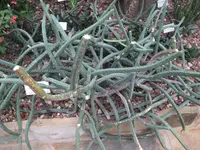
Euphorbia heterochroma
Euphorbia heterochroma
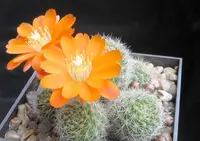
Aylostera fiebrigii
Aylostera fiebrigii
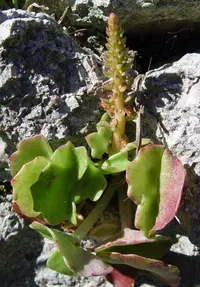
narrow navelwort
Umbilicus horizontalis
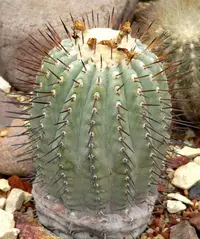
Copiapoa cinerea
Copiapoa cinerea
 POPULAR
String of Buttons
Crassula perforata
Australian Pig Face
Carpobrotus rossii
Pachyphytum kimnachii
Pachyphytum kimnachii
African milkbush
Euphorbia umbellata