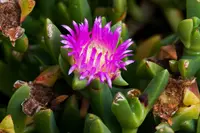
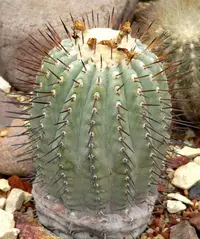
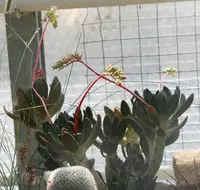
narrow navelwort Care (Umbilicus horizontalis)

Also known as: Horizontal navelwort
narrow navelwort

About narrow navelwort

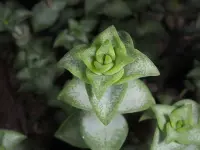
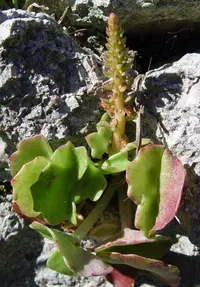
Narrow navelwort (Umbilicus horizontalis) is a small succulent perennial known for its fleshy, spoon-shaped leaves and slender, horizontal flowering stems. It often grows in rock crevices, walls, and shallow soil pockets.

This species is native to rocky, Mediterranean-type regions, where it tolerates dry conditions and limited soil. Its compact size and slow growth make it suitable for small rock gardens, troughs, and container displays.

The plant prefers bright but not harsh light, relatively cool conditions, and well-drained, gritty soil. These traits make it moderately easy to grow if drainage is good and watering is restrained, and understanding how to care for narrow navelwort mainly involves avoiding excess moisture.

Main Plant Requirements

Care Difficulty

Moderate Care

Light Preference

Partial Shade

Water Requirements

Moderate Water

Temperature Preference

Cool Climate

Hardiness Zone

7–9

Soil Texture

Sandy, Loamy, Rocky

Soil pH

Slightly acidic (6.5–7.0), Neutral (7.0)

Soil Drainage

Well-drained

Fertilization

Minimal (feed rarely)

Get Personalized Care Plan

Scan your plant to receive care tips personalized for your specific plant

Available on iOS and Android

How to Care for the narrow navelwort

This small rock-dwelling succulent prefers bright, cool conditions with limited direct sun.

  • Provide 3–5 hours of soft morning sun or bright open shade; avoid harsh afternoon sun that can scorch leaves and bleach their color.
  • Plant where it receives dappled or reflected light for the rest of the day, similar to a north- or east-facing cliff, which suits narrow navelwort best.
  • In summer, protect from prolonged exposure in hot spells; in winter, ensure at least bright indirect light to prevent stretched, weak growth.

This species prefers light, infrequent watering and is sensitive to prolonged wetness around its roots.

  • Allow the top 2–4 cm of soil or crevice substrate to dry before watering again, then moisten thoroughly and let excess drain away quickly.
  • Reduce watering sharply in fall and winter, giving only small amounts when leaves start to soften or wrinkle slightly, a sign of mild thirst.
  • Watch for yellowing, translucent, or mushy leaves as signs of overwatering, and very thin, shriveled rosettes as a sign the soil has stayed dry too long.

This plant favors mild, rocky-cliff climates and does not cope well with hard freezes or extreme heat.

  • Ideal growing temperatures are 55–70°F (13–21°C), with cool nights that mimic its natural cliff habitats.
  • It can tolerate brief dips to about 32°F (0°C) if the soil is dry, but repeated or hard frosts below 28°F (-2°C) may damage or kill foliage.
  • In hot weather above 85°F (29°C), provide shade and good airflow, and avoid heat-reflecting surfaces that can overheat the shallow root zone.

This species tolerates typical indoor humidity but grows best with slightly moist air.

  • Aim for 40–60% humidity to reduce leaf-edge browning and slow desiccation of the fleshy rosettes.
  • It copes with short periods of dry air but prolonged levels below 30% can cause shriveling and dull, puckered leaves.
  • Increase humidity locally by grouping pots, placing the container on a pebble tray with water below the base, or using a small room humidifier near narrow navelwort.

Umbilicus horizontalis prefers a light, rocky substrate that drains quickly yet holds slight moisture around its roots.

  • Use a coarse, gritty mix such as 50% cactus potting mix with 30% horticultural grit or sand and 20% fine bark or perlite for structure.
  • Ensure very sharp drainage, as waterlogged conditions quickly cause root and crown rot in this succulent species.
  • A slightly alkaline to neutral pH around 7.0–7.8 suits it, which can be supported by adding a small amount of crushed limestone or dolomite chips.
  • Avoid heavy clay, peat-heavy, or compacted mixes that stay wet for longer than 2–3 days after watering, and loosen any dense areas with extra grit or perlite to improve aeration.

This species is well suited to container growing, especially in shallow, well-drained pots.

  • Choose a wide, shallow container that allows the rosette to spread while keeping the root zone close to the faster-drying upper substrate layer.
  • Select unglazed terracotta or similarly porous material to help excess moisture evaporate and reduce the risk of succulent roots sitting in damp conditions.
  • Raise the pot slightly on feet or spacers so drainage holes remain clear and water can exit rapidly after rain or watering, preventing crown rot.

Umbilicus horizontalis is a light feeder that needs only modest nutrition in containers or very poor soils.

  • Use a diluted balanced liquid fertilizer (around 10-10-10) at 1/4–1/2 strength for potted plants during spring–summer growth.
  • Feed every 4–6 weeks only if growth is weak or leaves pale, skipping doses if the plant looks healthy.
  • Choose either a light top-dressing of fine compost or a low-dose slow-release fertilizer, not both at once.
  • Stop feeding in fall and winter, when growth slows and extra nutrients are not effectively used.

Pruning needs for Umbilicus horizontalis are minimal and focus on tidiness rather than shaping.

  • Best time for light pruning is late winter to early spring, before strong new growth starts.
  • Remove dead, damaged, or diseased leaves and flower stalks with clean, sharp scissors to limit infection.
  • Thin out very crowded rosettes only if airflow is poor or rot appears at the base.
  • Avoid heavy cutting back; this species has a naturally delicate habit that is best left intact.

This species is shallow-rooted and usually prefers stable conditions, so disturbance should be infrequent.

  • Repot or transplant narrow navelwort only when roots circle the pot, growth stalls, or the medium breaks down.
  • Plan moves for early spring, just before active growth, to support quick recovery.
  • Expect container plants to need attention every 2–3 years; choose a shallow pot with gritty, very free-draining mix.
  • Gently loosen the root ball, trim broken roots, water lightly, and keep in bright shade for 3–5 days to reduce stress.

Umbilicus horizontalis is most often propagated by seed, with self-sowing common in suitable rock or crevice plantings.

  • Collect ripe seed in late summer and sow fresh in shallow trays with gritty, well-drained substrate.
  • Surface-sow; do not bury seeds, as light helps trigger germination in many small wild species.
  • Keep substrate just moist, in cool to mild conditions around 55–65°F, avoiding waterlogging.
  • For established clumps, separate small offsets in early spring, replanting into similar sharp-draining pockets.

In mild climates this plant is relatively cold tolerant and usually needs only basic winter management.

  • Tolerates light frost but may suffer in prolonged freezes below about 20°F, especially in wet soil.
  • In the ground, ensure very sharp drainage and add a light gravel mulch around the crown to keep it dry.
  • Move containers under a cold frame, unheated porch, or bright indoor windowsill before hard frost.
  • Water sparingly in winter so the substrate stays barely moist, reducing risk of rot in cool conditions.

Care Tips

Rocky crevice planting

Place plants in narrow wall crevices, rock gaps, or the edges of shallow stone troughs where water drains quickly but roots can anchor in fine cracks, which closely mimics their natural cliff habitat and improves long-term survival.

Avoid crown burial

When top-dressing or repotting, keep the leaf rosette just above the substrate surface rather than buried, since covering the crown traps moisture against the stem and greatly increases rot risk.

Summer dormancy management

If foliage yellows and dies back in hot, dry summer weather, reduce watering and move the container to a cooler, lightly shaded spot, treating the plant as seasonally dormant rather than trying to force active growth.

Gentle self-seeding control

Allow a few spent flower stalks to mature and drop seed into nearby cracks or a dedicated tray of gritty mix, then thin or transplant the resulting seedlings to maintain a natural colony without overcrowding.

Minimal handling of leaves

Handle the plant by the pot or root ball instead of the succulent leaves, as the thin, fleshy foliage bruises easily and damaged tissue is more prone to fungal spotting when caring for narrow navelwort.

Common Pests and Diseases

Aphids

These insects feed on soft new growth and flower stalks, causing distortion and sticky honeydew on the fleshy leaves and stems. Symptoms include curling foliage and a general weakening of the plant, especially on sheltered, nutrient‑rich walls or containers.

Solution

Rinse colonies off with a firm stream of water and pinch off heavily infested flower stalks. If needed, apply insecticidal soap or a ready‑to‑use horticultural oil, making sure to coat both sides of the leaves, and repeat weekly until no new aphids appear.

Slugs and snails

These pests are attracted to the succulent rosette leaves, particularly in damp, shaded crevices, and feed at night. Symptoms include irregular holes in leaves and slime trails around rock pockets or wall joints.

Solution

Hand‑pick slugs and snails in the evening, and use barriers such as copper tape or sharp grit around containers or planting pockets. In higher‑pressure situations, place iron phosphate slug baits nearby, keeping them off the foliage and following label directions.

Powdery mildew

This disease can develop on foliage in still, humid conditions, forming white or gray powdery patches on the upper leaf surface. Symptoms include dull, discolored leaves that may yellow and age prematurely on closely packed rosettes.

Solution

Improve airflow by thinning crowded rosettes and avoiding overhead watering, especially late in the day. Remove and discard affected leaves, and if the problem persists, use a sulfur or potassium bicarbonate fungicide labeled for ornamental succulents, applied according to directions.

Leaf spot

This disease causes small, dark, water‑soaked or brown spots on the fleshy leaves, often starting in areas that stay damp against rock or soil. Symptoms include coalescing spots and localized tissue collapse if wet conditions continue.

Solution

Remove and discard affected leaves and reduce excess moisture by allowing the planting pockets or containers to dry slightly between waterings. Increase light and air movement where possible, and in persistent cases apply a copper‑based fungicide to protect healthy foliage.

Interesting Facts

Overhanging rock specialist

Umbilicus horizontalis naturally occupies overhanging limestone and shaded rock faces, often growing almost horizontally from crevices where few other vascular plants persist.

Succulent leaf reservoirs

Its flattened, slightly fleshy leaves act as water-storage organs, allowing this species to withstand intermittent drought on shallow, fast‑draining substrates.

Eastern Mediterranean native

This species is primarily distributed around the eastern Mediterranean basin, including parts of Turkey and nearby regions, where it contributes to the characteristic flora of rocky coastal and montane habitats.

Botan icon

Did you know?

In many of its native cliff and wall habitats, Umbilicus horizontalis anchors itself in almost soil‑free mortar joints or rock fissures, exploiting microscopic pockets of organic dust and mineral particles that accumulate over years to support its entire life cycle.

FAQs about narrow navelwort

This species is generally evergreen in mild climates, holding its fleshy rosettes through winter. In colder areas, foliage can partly die back in hard frost, then regrow from the rootstock when temperatures rise again in spring.

Grow Healthy Plants with Botan Care

Keep your plants happy and healthy with plant identification, disease detection, and easy care guidance.

Botan plant care app — identify plants on mobile

Explore More Plants