Rocky mounting
Grow the plant in a shallow, well-drained pot with pieces of limestone or tufa rock so roots can anchor into crevices, which better mimics its natural cliff habitat and reduces rot risk at the crown.

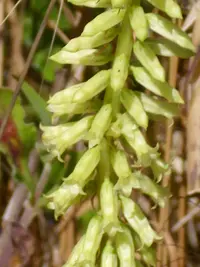
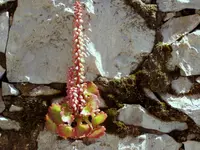
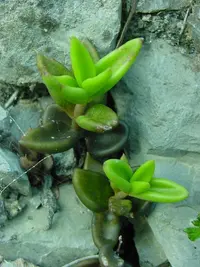
Umbilicus heylandianus is a small, succulent perennial known for its fleshy, rounded leaves and arching flower stalks. It often grows in rocky crevices, walls, and shallow soils. Native to parts of the Mediterranean region, it is adapted to bright light, good drainage, and periods of limited water. This makes it relatively resilient in dry, sheltered spots. Its compact habit and unusual leaf shape make it interesting for rock gardens and container displays. Gardeners who learn how to care for Umbilicus heylandianus usually find it straightforward, as long as excess moisture and heavy, poorly drained soils are avoided.

Care Difficulty
Moderate Care

Light Preference
Partial Shade

Water Requirements
Moderate Water

Temperature Preference
Cool Climate

Hardiness Zone
7–9

Soil Texture
Sandy, Loamy, Rocky

Soil pH
Acidic (5.5–6.5), Slightly acidic (6.5–7.0)

Soil Drainage
Well-drained

Fertilization
Minimal (feed rarely)
Scan your plant to receive care tips personalized for your specific plant
Available on iOS and Android
This rock-dwelling succulent prefers bright, cool conditions with gentle sun exposure.
This species prefers slightly dry conditions and is sensitive to waterlogged soil.
This plant favors mild, frost-free conditions with cool nights and moderate daytime warmth.
This species prefers relatively dry to moderately humid air and rarely needs special humidity control indoors.
This rock-dwelling succulent prefers very free-draining, mineral-rich soil that dries quickly between waterings.
This small, shallow-rooted species is well suited to container culture, especially in rock-garden style troughs or bowls.
This species usually manages on low-nutrient substrates, so fertilizing Umbilicus heylandianus should stay light and infrequent.
Umbilicus heylandianus needs only minimal pruning to keep rosettes tidy and healthy.
This species is shallow-rooted and generally prefers to remain undisturbed once established.
Propagation is usually done from seed, with some scope for gentle division of established clumps.
This plant is moderately cold hardy and often overwinters outdoors with little intervention in mild climates.

Plant Health Check
Not sure what's wrong with your plant? Check your plant's health inside the app.
This species is native to rocky habitats where it anchors in crevices of shaded cliffs and walls, relying on very thin, often calcareous soils that many other plants cannot tolerate.
It produces slender, pendent flower spikes with small, tubular blossoms that hang downwards rather than standing upright, a form typical of the genus but with a notably graceful, elongated look in this species.
Its rounded, fleshy leaves form compact rosettes that store water, allowing the plant to persist in exposed, drying conditions on vertical rock surfaces.
Young leaves of this species are sometimes foraged and eaten raw in small quantities, often added to salads. Only harvest from clean, uncontaminated sites, and avoid consumption if pregnant, medicated, or prone to allergies or kidney issues.
Keep your plants happy and healthy with plant identification, disease detection, and easy care guidance.