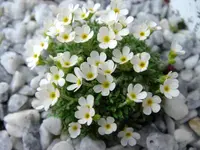
basket of gold Care (Aurinia saxatilis)

Also known as: Gold-dust, Golden Alyssum, Goldentuft Alyssum, Goldentuft Madwort, Rock Madwort
basket of gold

About basket of gold

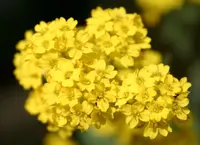
Basket of gold, Aurinia saxatilis, is a low, spreading perennial often used as a ground cover or to soften rock walls and slopes. It forms dense mounds of gray-green foliage covered in spring with masses of small, bright yellow flowers.

This plant is native to rocky, sunny areas of southern Europe, which explains its preference for well-drained, often poor or gravelly soils. It suits gardeners who want a durable, low-maintenance edging plant and are ready to avoid overwatering.

Light, fast-draining soil, and moderate moisture are usually enough to care for basket of gold in typical garden conditions.

Main Plant Requirements

Care Difficulty

Easy Care

Light Preference

Full Sun

Water Requirements

Low Water

Temperature Preference

Cold Hardy

Hardiness Zone

3–7

Soil Texture

Sandy, Loamy, Rocky

Soil pH

Slightly acidic (6.5–7.0), Slightly alkaline (7.0–7.5)

Soil Drainage

Well-drained

Fertilization

Minimal (feed rarely)

Get Personalized Care Plan

Scan your plant to receive care tips personalized for your specific plant

Available on iOS and Android

How to Care for the basket of gold

This sun-loving perennial forms the best flower display in bright, open exposures.

  • Provide 6–8 hours of direct sun daily; morning and midday sun give the most compact growth and heaviest bloom.
  • Tolerates light afternoon shade in hot summers; in cooler climates, full sun all day supports dense cushions of basket of gold flowers.
  • In too much shade plants stretch and bloom sparsely, while extreme reflected heat from pavement or walls can scorch foliage and dry soil very quickly.

This drought-tolerant rock garden plant prefers infrequent, deeper watering and fast-draining soil.

  • Outdoors in the ground, water only when the top 3–5 cm of soil are dry; established clumps often need no extra water beyond normal rainfall.
  • Use sharply draining, gritty or sandy soil so water runs through within seconds; avoid spots where water pools or stays wet after rain for Aurinia saxatilis.
  • Reduce watering in cool seasons; watch for yellowing, limp foliage as a sign of overwatering, and crisp, wilting leaves plus very dry soil as underwatering.

This hardy perennial thrives in cool to moderately warm conditions with dry, well-drained soil.

  • Optimal growth and flowering occur at 55–75°F (13–24°C), especially with cool nights and full sun exposure.
  • Mature plants tolerate winter down to about 0°F (−18°C) in well-drained soil; prolonged wet cold increases crown and root rot risk.
  • Handles dry heat up to about 85–90°F (29–32°C) if soil is not soggy, but flowering declines in very hot summers and plants may rest until cooler weather returns.

Humidity is rarely a concern for Aurinia saxatilis, which thrives in dry, airy conditions.

Aurinia saxatilis needs lean, fast-draining, mineral-rich soil to prevent root rot and keep growth compact.

  • Use sandy or gritty soil with low organic matter to mimic rocky slopes and avoid waterlogging.
  • Aim for slightly alkaline to neutral pH around 7.0–7.5, adding a small amount of garden lime if soil is acidic.
  • Blend coarse sand or fine gravel into standard garden soil to improve drainage and root aeration.
  • Avoid heavy clay or peat-heavy mixes that stay wet, as these quickly lead to crown and root problems.

This species is well suited to container culture, especially in sunny patios, balconies, and rock-garden troughs.

  • Choose a wide, shallow pot so the spreading mat can spill attractively over the rim without deep, unused soil staying wet.
  • Use a gritty mix and raise the container on pot feet or bricks to keep drainage holes clear after rain.
  • Select unglazed clay or other porous materials to let the root zone dry quickly between waterings, preventing rot in compacted media.

Aurinia saxatilis is a low-feeding rock garden perennial that benefits from light nutrition in poor soils.

  • Use a balanced, slow-release fertilizer (around 10-10-10) or a thin layer of compost in early spring before flowering.
  • Feed once per growing season; in richer garden soils, skip fertilization to avoid lush, floppy growth.
  • Apply at half the label rate for small perennials, keeping granules off foliage and crown.
  • Stop feeding basket of gold by late summer and do not fertilize in winter dormancy.

Pruning Aurinia saxatilis maintains a compact cushion and encourages stronger flowering the following season.

  • Shear back spent flower stems by about one-third right after blooming to promote dense new growth.
  • Remove dead, damaged, or winter-burned shoots in early spring using clean, sharp hand shears.
  • Thin out any open, woody centers to improve airflow and reduce the risk of fungal problems.
  • Avoid cutting into very old, bare wood, as regrowth from this area is often weak or patchy.

This plant is usually grown in the ground, so focus on careful transplanting rather than frequent repotting.

  • Transplant in early spring or early fall when temperatures are mild and soil is workable.
  • Move plants only every few years, when clumps thin out or flowering declines in overcrowded rock gardens.
  • Lift with a wide root ball, disturbing roots as little as possible to limit stress and transplant shock.
  • Water thoroughly after planting, then keep soil lightly moist for 1–2 weeks until new growth shows stability.

Aurinia saxatilis is most often propagated by seed, but division and softwood cuttings are also effective.

  • Sow fresh seeds in late spring or late summer on well-drained, gritty mix; keep lightly moist until germination.
  • Take softwood cuttings in late spring, using non-flowering shoots and a rooting hormone, then place in bright shade.
  • Divide established clumps in early spring, replanting sections into sharply drained soil to prevent rot.
  • Provide good airflow, moderate moisture, and bright light to reduce damping-off and promote strong young plants.

This species is generally cold hardy and needs minimal winter attention in most temperate gardens.

  • Tolerates frost and light snow once established, especially in well-drained, sandy or gritty soil.
  • Apply a light mulch around, but not on top of, the crown in colder regions to buffer freeze–thaw cycles.
  • For containers, move pots to a sheltered, unheated area and ensure drainage holes remain clear of ice.

Care Tips

Extend Bloom Season

Shear back spent flower stems by about one-third immediately after peak bloom to encourage a neater mound and a modest flush of late flowers rather than letting the plant put energy into seed.

Use Rock Crevices

Tuck young plants into wide mortar gaps, rock wall pockets, or the tops of retaining walls where roots can stay cool and well-drained while the foliage and flowers cascade over the edge for better display.

Control Self-Seeding

If you do not want plants spreading, remove most seed heads as they dry, but leave a few in less visible spots so the colony can renew itself and maintain vigor without becoming weedy.

Strategic Spring Division

Divide older, woody clumps right after flowering, discarding the bare, center portion and replanting only the younger, outer growth to keep carpets dense and long-lived when growing basket of gold.

Winter Wet Protection

In climates with cold, wet winters, slightly tilt planting pockets or mounds so water drains away from the crown and add a thin layer of coarse grit around the base to reduce crown rot risk.

Common Pests and Diseases

Downy mildew

This disease causes yellow, irregular spots on upper leaf surfaces, with gray to purplish fuzzy growth on the undersides in cool, damp conditions. Symptoms include leaf distortion, premature yellowing, and thinning of the foliage mat.

Solution

Remove and discard affected leaves to reduce spore load, and avoid overhead watering, especially in the evening. Improve air circulation by thinning crowded clumps and, if needed, apply a labeled copper or phosphonate fungicide during prolonged cool, wet weather as part of Aurinia saxatilis care instructions.

Powdery mildew

This disease appears as white to gray powdery patches on leaves and stems, often starting on older foliage in dry conditions with high humidity. Symptoms include leaf yellowing, distortion, and reduced flowering if the infection is heavy.

Solution

Cut off and dispose of heavily infected stems, then increase spacing and airflow around plants. Water at soil level, avoid excess nitrogen fertilizer, and use a sulfur or potassium bicarbonate fungicide if the disease persists over several weeks.

Clubroot

This soilborne disease causes swollen, distorted roots and leads to wilting, stunting, and yellowing, especially in warm weather. Symptoms include plants that fail to establish well and decline even when soil moisture seems adequate.

Solution

Remove and discard entire affected plants with as much root as possible and do not compost them. Improve soil drainage, raise beds, avoid planting Aurinia or other brassicas in the same spot for several years, and consider liming acidic soils to around pH 7.0–7.2 to reduce disease severity.

Cabbage aphids

These insects form dense gray-green colonies on young shoots and flower stalks, often covered with a whitish waxy coating. This pest causes curling and distortion of new growth and can leave sticky honeydew that encourages sooty mold.

Solution

Spray colonies off with a firm stream of water and pinch out heavily infested shoot tips. If needed, apply insecticidal soap or horticultural oil, ensuring thorough coverage of shoot tips and undersides of leaves, and encourage lady beetles and other natural predators by avoiding broad-spectrum insecticides nearby.

Flea beetles

These insects chew multiple small, round holes in leaves, giving foliage a shot-holed or lace-like appearance, particularly on young plants. This pest is most damaging in spring when plants are small and actively growing.

Solution

Use floating row covers early in the season to keep beetles off young plants, and keep the area free of brassica weeds that host the insects. For established plantings, encourage healthy growth with adequate water and mulch, and if damage is severe, consider spot-treating foliage with a spinosad-based product according to label directions.

Interesting Facts

Rock wall specialist

This species naturally grows on limestone cliffs, scree, and dry rocky slopes in southeastern Europe, where its roots anchor into crevices with very little soil and high mineral content.

Early-season pollinator magnet

Its dense clusters of small yellow flowers open in early to mid spring, providing one of the first concentrated nectar and pollen sources for bees, hoverflies, and other early-emerging pollinators in its native habitats and in gardens.

Short-lived yet persistent

Although often short-lived as an individual plant, it maintains long-term colonies by self-seeding into cracks and loose gravel, gradually forming wide, golden mats over walls and rocky banks, which is important to understand for Aurinia saxatilis plant care.

Botan icon

Did you know?

The species was historically placed in the genus Alyssum and long known to gardeners as Alyssum saxatile, and the reclassification to Aurinia reflects modern molecular and morphological studies that separated it from true sweet alyssums into its own distinct lineage.

FAQs about basket of gold

This species performs best outdoors in full sun and well-drained soil. Indoors it usually becomes weak and sparse due to low light and poor air movement, so long-term basket of gold indoor care is not recommended.

Grow Healthy Plants with Botan Care

Keep your plants happy and healthy with plant identification, disease detection, and easy care guidance.

Botan plant care app — identify plants on mobile

Explore More Plants