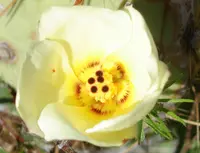
sorrel Care (Oxalis rosea)

Also known as: annual pink-sorrel
sorrel

About sorrel

Oxalis rosea is a small, clumping perennial often grown as an ornamental sorrel for its delicate, clover-like leaves and bright pink flowers. It typically forms low mounds that spread gently, making it suitable for pots, edging, or mixed plantings.

This species is native to parts of South America but is now grown in many mild climates as an attractive groundcover or container plant. It tends to be undemanding, but its ability to self-seed or multiply from bulbs can make it slightly invasive in ideal conditions.

Oxalis rosea prefers light, well-drained soil, moderate moisture, and bright light with some protection from intense midday sun, which influences how to care for sorrel in home gardens.

Main Plant Requirements

Care Difficulty

Easy Care

Light Preference

Partial Sun

Water Requirements

Moderate Water

Temperature Preference

Warm Climate

Hardiness Zone

8–11

Soil Texture

Sandy, Loamy, Organic-rich

Soil pH

Acidic (5.5–6.5), Slightly acidic (6.5–7.0)

Soil Drainage

Well-drained

Fertilization

Light (every 4–6 weeks)

Get Personalized Care Plan

Scan your plant to receive care tips personalized for your specific plant

Available on iOS and Android

How to Care for the sorrel

Oxalis rosea grows best with bright, indirect light and gentle direct sun.

  • Provide 3–5 hours of morning sun with light afternoon shade, or filtered light all day, especially in hot climates.
  • Plant in a position that receives partial shade during the strongest midday sun to prevent leaf scorch and faded color in sorrel foliage.
  • If stems stretch or leaves become pale, increase light exposure gradually over 7–10 days to avoid sudden sun stress.

Oxalis rosea prefers evenly moist but not saturated soil.

  • Water when the top 2–3 cm of soil feels dry, using enough water for it to drain freely from the root zone.
  • Use loose, well-drained soil; persistent wetness, yellowing, and soft, limp stems indicate overwatering and possible root rot.
  • Reduce watering in cool seasons or during dormancy when foliage dies back, resuming slightly deeper watering as new leaves emerge and soil dries more quickly.

This plant favors mild, frost-free temperatures for reliable growth.

  • Aim for 60–75°F (16–24°C) during active growth; short peaks to 80–85°F (27–29°C) are tolerated if soil moisture is stable.
  • Protect from frost; growth slows below 50°F (10°C), and hard freezes near 32°F (0°C) can damage or kill foliage and shallow bulbs.
  • In hot summers, combine temperatures above 85°F (29°C) with light afternoon shade and consistent moisture to limit heat stress and leaf scorch.

Oxalis rosea grows well in typical indoor humidity but benefits from slightly moist air.

  • Aim for 40–60% humidity to reduce leaf edge browning and maintain steady growth.
  • It tolerates short periods of drier air, but prolonged levels under 30% may cause curled, crispy leaflets.
  • Increase humidity with a nearby pebble tray or grouping plants, rather than misting, which adds only brief surface moisture.

Oxalis rosea prefers light, airy soil that drains quickly yet holds moderate moisture.

  • Use a mix of 2 parts all-purpose potting mix, 1 part perlite, and 1 part fine bark or coarse sand for structure and drainage.
  • Aim for slightly acidic to neutral pH around 6.0–7.0, avoiding very alkaline substrates that can limit nutrient uptake.
  • Ensure the mix feels loose and crumbly so the small tubers receive enough oxygen and do not sit in compacted, soggy soil.
  • Avoid heavy clay-based or peat-only mixes that stay wet for long periods and encourage rot at the tubers.

This species is well suited to container growing at home or on balconies.

  • Choose a wide, shallow pot so the shallow tubers can spread horizontally without sitting in deep, wet soil layers.
  • Select a container material that matches your climate, such as terracotta for faster drying or glazed ceramic for slower moisture loss.
  • Ensure drainage holes never become blocked so excess water exits freely, preventing tuber rot in this ornamental sorrel.

Oxalis rosea responds well to light feeding that supports leafy growth and flowering without over-enriching the soil, which is helpful when caring for sorrel relatives.

  • Use a balanced liquid fertilizer (around 10-10-10) at 1/4–1/2 strength for container plants.
  • Feed every 4–6 weeks during active growth in spring and summer only.
  • Skip or greatly reduce feeding in fall and winter when growth slows or plants go dormant.
  • Avoid heavy compost or rich slow-release pellets that can cause soft, weak growth.

Oxalis rosea benefits from light, ongoing cleanup to maintain a compact, flowering clump.

  • Best timing is during active growth in spring and summer, removing spent flower stems at the base.
  • Trim yellowing, damaged, or diseased leaves with clean, sharp scissors to limit disease spread.
  • Thin crowded or tangled foliage lightly to improve air flow and light penetration.
  • Deadheading encourages repeated blooming and keeps the plant neat in containers or beds.

Container-grown Oxalis rosea may need occasional repotting to keep the bulbs and roots healthy.

  • Repot every 2–3 years or when roots circle the pot and growth or flowering declines.
  • Choose late winter to early spring, just before new growth, as the least stressful time.
  • Use a shallow, wide pot with a free-draining mix and handle bulbs gently to avoid bruising.
  • Water lightly after repotting, then keep soil just barely moist until strong new growth resumes.

New Oxalis rosea plants are most often produced by dividing the small bulbs or bulb-like tubers.

  • Divide clumps in late winter or early spring while the plant is dormant or just sprouting.
  • Gently lift the clump, separate individual bulbs, and discard any soft or rotten ones.
  • Replant bulbs 2–4 cm deep in well-drained soil, spacing them to prevent crowding.
  • Keep the soil lightly moist and provide bright light to encourage fast sprouting and establishment.

Oxalis rosea usually needs only modest winter care, depending on local climate and whether it is container-grown.

  • In mild climates, dormant bulbs can overwinter in the ground with a light mulch layer.
  • In colder areas with hard frost, lift bulbs or keep containers in a frost-free, cool, dry place.
  • Move potted plants indoors before temperatures drop near freezing, giving them bright, cool conditions.
  • Reduce watering in winter so dormant bulbs stay dry to slightly moist, preventing rot.

Care Tips

Encourage Compact Growth

Rotate pots 90° every 3–4 days to keep the foliage evenly dense and prevent stems from stretching toward a single light source, especially on windowsills with directional light.


Manage Dormancy Cycles

If leaves yellow and die back in late summer or after flowering, stop watering, keep the pot dry for 4–6 weeks, then resume light watering to trigger a fresh flush of growth from the bulbs.

Gentle Clump Division

Every 1–2 years, lift the plant when dormant and separate crowded bulbs by hand, replanting them with 1–2 cm of mix over the tops to maintain vigorous growth and consistent flowering.

Use Shallow Containers

Choose wide, shallow pots to match the plant’s shallow-rooted bulb system, which helps prevent waterlogged soil pockets and produces a more even, carpet-like foliage display.

Monitor Light Closure

Observe how and when the leaflets fold closed in low light; if they remain closed for most of the day, move the plant slightly closer to a bright window to fine-tune light levels when growing sorrel indoors or in containers.

Common Pests and Diseases

Spider mites

This pest feeds on the undersides of leaflets, especially in warm, dry indoor air, causing fine stippling, dull foliage, and delicate webbing between leaf stems and petioles.

Solution

Rinse foliage thoroughly under a gentle stream of lukewarm water, then increase humidity and improve air circulation; for persistent infestations, treat both sides of leaves with insecticidal soap or neem oil every 5–7 days until new growth appears clean.

Aphids

These insects cluster on tender flower stalks and new leaves, sucking sap and causing distortion, sticky honeydew, and sometimes fungal growth on the residue.

Solution

Pinch off heavily infested flower stalks, then wash the plant with a strong but controlled spray of water; follow with insecticidal soap or a light neem oil spray directed at growing tips and repeat at 5–7 day intervals until populations are reduced.

Fungal leaf spot

This disease produces small, dark, water‑soaked or tan spots on the trifoliate leaves, often starting on crowded, shaded foliage that stays wet for long periods.

Solution

Remove and discard affected leaves, avoid overhead watering, and allow the canopy to dry quickly; improve spacing and airflow, and if spots continue to spread, apply a labeled copper or chlorothalonil fungicide lightly and avoid repeated unnecessary treatments.

Botrytis blight

This disease causes soft, water‑soaked areas on leaves, flower stalks, and spent blooms, which can become covered with gray, fuzzy mold in cool, humid conditions.

Solution

Promptly remove faded flowers and any soft or moldy tissue, improve ventilation, and keep foliage dry; in very humid indoor setups for Oxalis rosea care, a preventive light application of a general ornamental fungicide and reducing overcrowding usually controls the problem.

Bulb or corm rot

Symptoms include stunted shoots, yellowing leaves, and failure of some bulbs or corms to sprout, often due to storage or planting in wet, poorly drained media that encourages soil-borne fungi.

Solution

Discard any soft or foul-smelling bulbs, replant only firm, healthy ones in a well‑draining mix, and water lightly until active growth resumes; between seasons, store dormant bulbs dry and cool, and avoid reusing heavy, compacted soil that stayed wet for long periods.

Interesting Facts

Southern African origin

This species is native to the winter-rainfall regions of South Africa, where it grows in open, often sandy habitats that experience cool, moist winters and dry summers.

Persistent storage bulbs

Oxalis rosea survives seasonal drought by retreating into small underground bulbs, which store carbohydrates and allow the plant to resprout quickly when moisture returns.

Self-seeding garden escape

In mild climates it can naturalize by seed and bulb division, occasionally spreading from gardens into nearby disturbed sites, which is why some regions monitor it as a minor ornamental escapee.

FAQs about sorrel

Brown leaves usually result from underwatering, intense direct sun, fertilizer burn, or cold drafts. Check soil moisture, protect from harsh midday sun, reduce fertilizer strength, and move the plant away from air vents or open windows.

Grow Healthy Plants with Botan Care

Keep your plants happy and healthy with plant identification, disease detection, and easy care guidance.

Botan plant care app — identify plants on mobile

Explore More Plants