Baccharis aliena Care

About Baccharis aliena

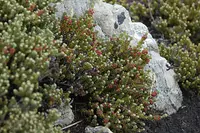
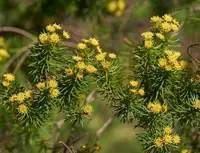
Baccharis aliena is a woody shrub in the daisy family, typically forming dense, upright to rounded clumps with many fine, twiggy branches. Its small, narrow leaves and inconspicuous flower clusters give it a somewhat scrubby, wind-shaped look in exposed sites.

This species is native to parts of South America, where it grows in open, often dry habitats such as grasslands and light shrublands. It is generally tough and adaptable, which makes it relatively forgiving once established. Light, free-draining soil and moderate moisture support good growth. Understanding these habitat cues helps clarify how to care for Baccharis aliena in cultivation.

Main Plant Requirements

Care Difficulty

Moderate Care

Light Preference

Partial Sun

Water Requirements

Moderate Water

Temperature Preference

Warm Climate

Hardiness Zone

Unknown

Soil Texture

Loamy

Soil pH

Slightly acidic (6.5–7.0)

Soil Drainage

Well-drained

Fertilization

Minimal (feed rarely)

Get Personalized Care Plan

Scan your plant to receive care tips personalized for your specific plant

Available on iOS and Android

How to Care for the Baccharis aliena

This shrub prefers bright, open conditions typical of sun-exposed scrub or grassland.

  • Provide 6–8 hours of direct sun daily; light morning sun plus some filtered afternoon sun works well in hotter regions.
  • Tolerates light partial shade (around 3–4 hours direct sun), but stems may elongate and flowering can decrease under lower light.
  • In very intense summer sun, monitor for leaf scorch or pale, crispy edges and offer slight afternoon shade if this persists for several weeks.

This species is adapted to relatively dry, well-drained sites and dislikes prolonged soil saturation.

  • Water only when the top 3–5 cm of soil is dry, using a deep soak that moistens the root zone, then allow excess to drain away.
  • During the first growing season, check soil weekly; in established plants, reduce to occasional deep watering during extended drought.
  • Yellowing, soft leaves and persistent wet soil signal overwatering, while wilting, dry, brittle foliage and shrinking stems indicate the need for a thorough soak.

This shrub is tolerant of a broad outdoor temperature range but grows best in mild conditions.

  • Optimal active growth occurs around 60–80°F (16–27°C), with good performance in typical spring and fall conditions in temperate climates.
  • Mature plants usually tolerate brief drops near 20–25°F (-6 to -4°C), but young plants benefit from protection during hard frost events.
  • In hot periods above 90°F (32°C), growth may slow; maintain soil moisture without waterlogging and avoid planting in heat-reflective spots such as against bare walls.

Dry-tolerant shrub that thrives in relatively low to moderate humidity.

  • Target 30–50% relative humidity, similar to most indoor and outdoor household environments.
  • Tolerates dry air well; only prolonged, very dry heated rooms may cause minor leaf edge browning.
  • Mild humidity stress shows as curled, brittle foliage; increase local humidity with a nearby open tray of water or grouped plants if this appears.

This species prefers lean, mineral, fast-draining soil that does not stay wet.

  • Use a sandy or gravelly loam with low to moderate organic matter to mimic its naturally dry habitats.
  • Aim for very free drainage; incorporate coarse sand, fine gravel, or perlite at 30–50% of the mix.
  • A pH around 6.0–7.5 is suitable; avoid strongly acidic or highly alkaline substrates that can limit nutrient availability.
  • For Baccharis aliena, avoid heavy clay, peat-heavy, or compacted mixes that hold water around the roots and reduce aeration.

This shrub can be grown in containers if the pot and substrate are managed for rapid drainage and root stability.

  • Choose a deep, heavy pot (ceramic or clay) to stabilize the woody, potentially top-heavy growth in wind.
  • Use a very fast-draining mix and elevate the pot feet so excess water clears quickly from drainage holes.
  • Select a container diameter that allows lateral root spread while preventing a large volume of unused, constantly wet substrate.

This drought-tolerant shrub usually needs minimal feeding in the ground, but container-grown Baccharis aliena benefits from light fertilization.

  • Use a balanced, slow-release fertilizer or compost in spring at the start of active growth.
  • Feed containers every 6–8 weeks during the growing season at 1/2–1/4 label strength.
  • Avoid high-nitrogen products that force lush, weak growth in poor or dry soils.
  • Stop feeding in late summer so new growth hardens before winter dormancy.

Baccharis aliena responds well to thoughtful pruning that maintains a dense, healthy shrub.

  • Plan structural pruning for late winter or very early spring before new growth starts.
  • Remove dead, damaged, or crossing stems with clean, sharp bypass pruners or loppers.
  • Thin crowded interior branches to improve light and air movement through the canopy.
  • Shorten overly long shoots to control height and shape without cutting into old, bare wood.

This shrub is usually grown in the ground, so focus on careful transplanting rather than frequent repotting.

  • Transplant in late winter or early spring when soil is workable and growth is still slow.
  • Move plants showing poor vigor, stunted growth, or roots circling inside a nursery pot.
  • Lift with a wide root ball, disturb roots as little as possible, and replant at the same depth.
  • Water deeply after planting, then keep soil evenly moist for several weeks to limit transplant shock.

Gardeners can increase Baccharis aliena mainly by cuttings or seed under suitable conditions.

  • Take semi-hardwood cuttings in late summer, 8–10 cm long, from healthy, non-flowering stems.
  • Remove lower leaves, dip the base in rooting hormone, and place in a free-draining, moist medium.
  • Maintain bright, indirect light, high humidity, and 68–75°F until roots form.
  • Sow ripe seed in autumn or spring on well-drained soil, keeping the surface just moist until germination.

In suitable hardiness zones this shrub is generally cold hardy and needs only modest winter care.

  • Tolerates light to moderate frost once established but young plants are more sensitive.
  • Apply a 5–8 cm mulch layer around the root zone in late fall, keeping mulch off stems.
  • Shelter container plants near a wall or move to a cool, bright, frost-free space for winter.
  • Reduce watering in cold weather so soil stays slightly moist but never waterlogged.

Care Tips

Wind exposure management

Site plants where they receive good air movement but are not exposed to constant strong coastal or hilltop winds, which can cause stem breakage in mature shrubs; use a low, porous windbreak like a wire fence with shrubs if the site is very exposed.

Early structural training

In the first 2–3 years, selectively tip back only the longest shoots after flowering to encourage a dense, wind‑resistant framework rather than allowing a few tall, weak stems to dominate.

Regeneration pruning cycle

On older, woody clumps, cut back one-third of the oldest stems to near ground level each year at the end of winter so the plant continually renews itself without leaving a bare gap.

Erosion control planting

When planting on a slope, stagger plants in a zigzag pattern and lightly mound soil on the downslope side of each root ball so the spreading root system can help stabilize soil and intercept runoff.

Low-input weed management

For low-maintenance sites, underplant with tough, non-invasive groundcovers or use a 5–8 cm layer of coarse, weed-free mulch to suppress competing weeds without relying heavily on herbicides when caring for Baccharis aliena.

Common Pests and Diseases

Scale insects

This pest attaches to stems and leaves, sucking sap and causing yellowing, stunting, and sticky honeydew that can lead to sooty mold. Infestations are often clustered along young stems and branch junctions.

Solution

Prune and discard heavily infested twigs, then wipe remaining colonies with a cotton pad dipped in 70% isopropyl alcohol or spray with a light horticultural oil, coating stems thoroughly. Improve air movement and avoid excess nitrogen fertilization, which encourages soft, scale-prone growth.

Aphids

These insects feed on tender shoots and new leaves, causing curling, distortion, and sticky honeydew on foliage. Colonies often concentrate on shoot tips and flower buds of this shrub.

Solution

Dislodge aphids with a strong stream of water from a hose, then, if needed, apply insecticidal soap to the undersides of leaves and actively growing tips. Encourage natural predators such as lady beetles by avoiding broad-spectrum insecticides and maintaining plant diversity around the shrub.

Rust

This disease produces yellow to orange-brown pustules on the undersides of leaves, sometimes with yellow spotting on the upper surface. Symptoms include premature leaf drop and general loss of vigor when infections are heavy.

Solution

Remove and dispose of affected leaves and any fallen litter to reduce spore levels, and improve spacing and airflow around plants to help foliage dry faster. In regions where rust is recurrent, apply a labeled fungicide preventively at the start of the humid season, following local label directions.

Leaf spot

This disease causes small brown to dark purple spots on leaves that can merge into larger blotches, leading to partial defoliation under prolonged wet conditions. Symptoms include a patchy, uneven appearance of the canopy.

Solution

Trim and destroy heavily spotted leaves and thin crowded stems to increase light penetration and drying. Avoid overhead watering, and in persistent cases, use a copper-based or other labeled fungicide during extended wet periods as part of broader Baccharis aliena care instructions.

Interesting Facts

Patagonian shrub habitat

This species is native to southern South America, especially Patagonia, where it grows in open, windswept shrublands and grasslands rather than dense forest.

Tolerance of harsh climates

The plant copes with strong winds, relatively poor soils, and marked temperature fluctuations, which makes growing Baccharis aliena of interest for restoration and erosion control research in its native range.

FAQs about Baccharis aliena

This shrub can self-seed and spread moderately where conditions suit it, but it is not usually strongly rhizomatous. Regular monitoring and removal of unwanted seedlings prevent it from forming dense thickets in managed gardens.

Grow Healthy Plants with Botan Care

Keep your plants happy and healthy with plant identification, disease detection, and easy care guidance.

Botan plant care app — identify plants on mobile

Explore More Plants