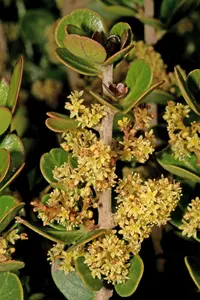
cow's-foot Care (Bauhinia forficata)

Also known as: Orchid Tree, Brazilian orchid tree, Thorny Orchid Tree
cow's-foot

About cow's-foot

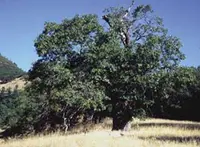
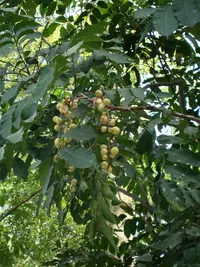
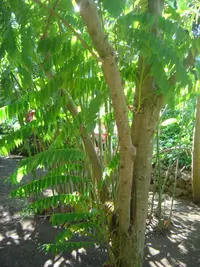
Cow's-foot (Bauhinia forficata) is a small to medium ornamental tree, known for its split, hoof-shaped leaves and showy white flowers. It typically develops a rounded, airy canopy. Native to South America, it is commonly found in Brazil and neighboring regions, often in warm, subtropical climates. In suitable conditions it can be used as a street or garden tree. Bauhinia forficata prefers full sun, well-drained soil, and moderate moisture. It is moderately fast-growing but may be sensitive to cold and poor drainage, which affects how easy it is to establish. Gardeners who learn how to care for cow's-foot usually find it manageable in warm regions.

Main Plant Requirements

Care Difficulty

Moderate Care

Light Preference

Full Sun

Water Requirements

Moderate Water

Temperature Preference

Tropical / Frost Sensitive

Hardiness Zone

9–11

Soil Texture

Sandy, Loamy, Organic-rich

Soil pH

Acidic (5.5–6.5), Slightly acidic (6.5–7.0)

Soil Drainage

Well-drained

Fertilization

Minimal (feed rarely)

Get Personalized Care Plan

Scan your plant to receive care tips personalized for your specific plant

Available on iOS and Android

How to Care for the cow's-foot

Bauhinia forficata grows best with abundant direct light but some protection from harsh afternoon sun.

  • Provide 6–8 hours of direct sun daily, ideally with morning sun and light afternoon shade, especially in hot climates.
  • Young cow's-foot trees benefit from filtered light or 30–40% shade cloth during the first summers to prevent leaf scorch.
  • In cooler seasons, maximize sun exposure; in dense shade the canopy will thin, internodes stretch, and flowering will be reduced.

Watering for Bauhinia forficata should keep soil slightly moist but never saturated.

  • Allow the top 3–5 cm of soil to dry between waterings, then soak the root zone deeply to encourage strong, deep roots.
  • Use well-drained soil; soggy ground, standing water, or foul-smelling soil indicate overwatering and raise the risk of root rot.
  • In hot, dry weather, expect faster drying and mild leaf wilt at midday; if leaves stay limp by evening, increase watering depth or frequency slightly.

This species prefers warm, frost-free conditions with only brief exposure to cooler temperatures.

  • Optimal growth occurs around 70–86°F (21–30°C); growth slows below 60°F (16°C) but mature trees can tolerate short dips to about 32°F (0°C).
  • Young plants are more cold-sensitive and should be protected from frost; repeated exposure below 32°F (0°C) can cause dieback of twigs and young branches.
  • In hot climates above 95°F (35°C), provide soil mulch and adequate moisture to limit heat stress and leaf scorch, especially on newly planted trees.

This subtropical tree prefers moderate air moisture but usually adapts to typical indoor humidity if other conditions are stable.

  • Aim for 40–60% humidity; prolonged air below 30% can stress young foliage of cow's-foot.
  • Watch for crisp leaf edges, slow new growth, and leaf drop as signs of humidity stress combined with underwatering or heat.
  • Increase local humidity with grouped plants, a pebble tray under the pot, or a humidifier rather than misting leaves directly.

This species grows best in deep, well-structured, fast-draining mineral soil that still retains some moisture.

  • Use a loamy mix with 40–60% inorganic material, such as coarse sand and perlite, plus compost to support steady growth of Bauhinia forficata.
  • Target a slightly acidic to neutral pH around 6.0–7.0 to optimize nutrient availability and root activity.
  • Improve aeration by incorporating chunky materials like pine bark fines so the mix does not compact over time around the root zone.
  • Avoid heavy clay, peat-dominant, or waterlogged substrates, which reduce oxygen around roots and greatly increase the risk of root rot.

This tree can be grown in large containers for several years if the pot is chosen and managed carefully.

  • Select a wide, heavy container to counterbalance the developing canopy and reduce tipping in strong winds.
  • Choose a pot material with moderate porosity, such as thick-walled clay or composite, to help buffer moisture swings in outdoor conditions.
  • Fill tall containers so the upper two-thirds hold the main root zone, leaving only a limited lower zone to prevent stagnant, poorly aerated water layers.

Bauhinia forficata benefits from moderate feeding to support flowering and steady growth.

  • Use a balanced NPK fertilizer (around 10-10-10) or well-rotted compost at the start of the growing season.
  • Apply granular or slow-release fertilizer every 8–10 weeks during spring and summer for outdoor trees.
  • Dilute liquid feeds to half strength for container plants to avoid root burn and salt buildup.
  • Reduce or stop feeding in fall and winter when growth slows or trees become semi-dormant; caring for cow's-foot is simpler with restrained fertilization.

Thoughtful pruning keeps Bauhinia forficata healthy, structurally sound, and flowering well.

  • Carry out main pruning in late winter to early spring before new growth starts.
  • Remove dead, diseased, crossing, or storm-damaged branches using clean, sharp bypass pruners or loppers.
  • Thin congested interior shoots to improve light penetration and airflow, encouraging better blooming.
  • Shorten or select branches to maintain a balanced canopy and clear trunk height suited to the planting site.

This tree is usually grown in the ground, so focus on careful transplanting rather than frequent repotting.

  • Transplant young trees in late winter or early spring when temperatures are mild and soil is workable.
  • Look for signs such as roots circling the pot, water running off quickly, or slowed growth to indicate the need for a larger container or planting site.
  • Move up only 1–2 pot sizes or into a well-drained ground hole, loosening outer roots without tearing the root ball.
  • Water thoroughly after transplanting, apply a 5–8 cm mulch ring, and shade temporarily to reduce transplant shock and moisture loss.

New Bauhinia forficata plants are most commonly raised from seed, with semi-hardwood cuttings as a secondary option.

  • Collect ripe seed pods at the end of the growing season and sow fresh seeds in late winter to early spring.
  • Scarify hard seed coats lightly with sandpaper and soak seeds 12–24 hours to improve germination.
  • Sow in a well-drained, slightly sandy mix, keeping temperature around 70–80°F and moisture evenly light, not waterlogged.
  • For cuttings, take semi-hardwood pieces in late spring, use rooting hormone, and place in high humidity with bright, indirect light.

This subtropical tree is frost-sensitive and requires protection in climates with cold winters, especially when young or container-grown.

  • In regions below about 25–30°F, grow in containers so plants can be moved indoors or to a heated greenhouse for winter.
  • Use 5–8 cm of organic mulch around the root zone to moderate soil temperature and conserve moisture, keeping it away from the trunk.
  • In marginal climates, wrap young trunks with breathable frost cloth and avoid winter pruning that can stimulate tender growth.

Care Tips

Root-zone mulching

Apply a 5–8 cm layer of coarse organic mulch around the drip line, keeping it 5–10 cm away from the trunk, to stabilize soil moisture and protect the shallow feeder roots that support flowering.


Wind-aware staking

In the first 2–3 years, use 2–3 flexible stakes positioned upwind and tie the trunk loosely with soft ties so the young tree can move slightly while still being protected from breakage in storms.

Structural training

During the first winters, select 3–5 well-spaced main branches and remove steep, crossing, or weak crotch branches to build a strong open canopy that can hold heavy bloom without splitting.

Calcium and micronutrients

On alkaline or very sandy soils, use a slow-release, balanced fertilizer that includes calcium, iron, and micronutrients once or twice a year to reduce leaf chlorosis and support consistent flowering when growing cow's-foot.

Flower litter management

Regularly rake up fallen flowers and seed pods from beneath the canopy to reduce fungal growth, discourage pests, and keep the root zone better aerated.

Common Pests and Diseases

Leaf spot

This disease causes dark, circular to irregular lesions on leaves that may coalesce and lead to premature leaf drop, especially in warm, humid weather.

Solution

Prune and discard affected leaves, improve airflow through light canopy thinning, and avoid overhead watering; in persistent cases, a copper-based fungicide applied according to label directions can help protect new growth as part of general Bauhinia forficata care.

Powdery mildew

This disease produces a white to gray, powdery film on young leaves and buds, which can cause distortion and slowed growth in shaded or crowded conditions.

Solution

Increase light and air movement around the canopy, remove heavily infected foliage, and use a horticultural oil or sulfur-based fungicide on new growth during dry, mild weather when the disease first appears.

Caterpillars

These insects chew irregular holes in leaves and can rapidly defoliate young trees when populations are high, often leaving skeletonized leaf tissue.

Solution

Hand-pick visible larvae from lower branches, encourage natural predators, and, if needed, apply a biological control such as Bacillus thuringiensis (Bt) to foliage, targeting young caterpillars and following label instructions.

Scale insects

This pest appears as small, fixed bumps on stems and leaf undersides, producing sticky honeydew that can lead to sooty mold on foliage and nearby surfaces.

Solution

Prune out heavily infested twigs, wipe accessible areas with a cloth dipped in mild soapy water, and use a horticultural oil spray to smother remaining scale, repeating applications as needed to catch newly hatched crawlers.

Leaf-mining larvae

These insects create pale, winding tunnels within leaf blades, which can reduce photosynthesis and cause early shedding of heavily damaged leaves.

Solution

Remove and dispose of mined leaves to interrupt the life cycle and monitor new growth closely; in recurring cases, a systemic insecticide labeled for leaf miners can be used carefully, focusing on periods when new foliage is expanding to support long-term cow's-foot indoor care.

Interesting Facts

Distinctive split leaves

This species has bilobed leaves that look like a butterfly or a cow’s hoof, a trait so characteristic that it inspired common names like cow’s-foot and Brazilian orchid tree.

Nitrogen-fixing partner

Bauhinia forficata forms symbiotic associations with soil bacteria that fix atmospheric nitrogen, which helps the tree grow in relatively poor soils and contributes to soil fertility over time.

Nectar-rich white flowers

The large white flowers produce abundant nectar and open mainly at dusk and night, attracting nocturnal pollinators such as moths and some bats in parts of its native range.

Botan icon

Did you know?

In several South American cities, urban forestry programs have planted Bauhinia forficata along streets and in parks because its relatively modest size, broad canopy, and non-aggressive root system make it suitable for sidewalks and small public spaces compared with many other tropical trees.

FAQs about cow's-foot

Lack of flowering often comes from insufficient maturity, poor light intensity, or excessive nitrogen fertilization. Heavy pruning at the wrong time can also remove flower buds. Allow the tree to age, avoid overfertilizing, and prune lightly after flowering.

Grow Healthy Plants with Botan Care

Keep your plants happy and healthy with plant identification, disease detection, and easy care guidance.


Botan plant care app — identify plants on mobile

Explore More Plants