Root-zone mulching
Apply a 5–8 cm layer of shredded hardwood or leaf mold over the root zone, keeping it 5–8 cm away from the trunk, to keep roots cool, conserve moisture, and reduce soil compaction from foot traffic or lawn equipment.

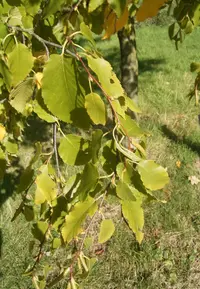
Sweet birch, Betula lenta, is a deciduous hardwood tree native to eastern North America. It occurs naturally in cool, moist forests and mountain slopes.
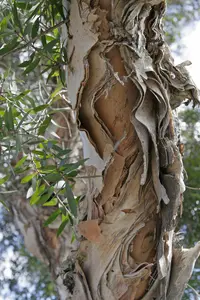
This species has a straight trunk, dark cherry-brown bark with fine horizontal lines, and a dense crown of finely toothed, aromatic leaves that turn clear yellow in fall.
It is relatively easy to grow where space and climate suit it, but it needs time to establish a deep root system and does not thrive in very hot, dry sites.
Sweet birch prefers full sun to light shade, evenly moist, well-drained, slightly acidic soil, and thoughtful planning on how to care for sweet birch focuses on maintaining steady moisture and avoiding soil compaction around its roots.

Care Difficulty
Moderate Care

Light Preference
Full Sun

Water Requirements
Regular Water

Temperature Preference
Cold Hardy

Hardiness Zone
3–8

Soil Texture
Loamy, Silty, Organic-rich

Soil pH
Strongly acidic (4.5–5.5), Acidic (5.5–6.5)

Soil Drainage
Moist but well-drained

Fertilization
Minimal (feed rarely)
Scan your plant to receive care tips personalized for your specific plant
Available on iOS and Android
This species prefers bright outdoor conditions suited to a temperate climate woodland edge or open site.
This tree prefers consistently moist but not waterlogged soil, especially while young and establishing roots.
This hardy deciduous tree is adapted to cool to temperate climates with cold winters and warm summers.
This species prefers moderate ambient humidity but usually adapts to typical outdoor conditions.
Betula lenta performs best in deep, moist, well-aerated mineral soils.
This species is only suitable for short-term container growing due to its eventual size and root vigor.
Mature Betula lenta in the ground usually needs minimal fertilization if soil is moderately fertile.
Betula lenta benefits from light, well-timed pruning to maintain structure and remove problem wood.
Sweet birch is usually grown in the ground, so care focuses on correct transplanting rather than frequent repotting.
Sexual propagation from seed is standard for Betula lenta, while vegetative methods are used less often.
Betula lenta is cold hardy in much of its native range and usually needs little special winter care once established.

Plant Health Check
Not sure what's wrong with your plant? Check your plant's health inside the app.
The twigs and inner bark of this species contain methyl salicylate, the compound historically distilled to make natural wintergreen flavoring, leading to large-scale harvesting in the 19th and early 20th centuries.
Unlike many other birches, this species can establish and grow under relatively shady, closed-canopy forest conditions, which allows it to persist in mixed hardwood forests of the Appalachian region.
This birch can reach ages of well over 150 years under favorable conditions, making it one of the longer-lived North American birches and a stable component of mature forest stands.

This tree produces very small, winged nutlets in upright catkins that often remain on the branches into winter, providing late-season food for finches and other small seed-eating birds when many other seed sources are already depleted.
This species usually grows at a medium rate, adding about 30–60 cm per year once established. Growth is faster in deep, moist, well-drained soil and full light, and slower in compacted, dry, or very shallow sites.
Keep your plants happy and healthy with plant identification, disease detection, and easy care guidance.