




Downy Birch Identification (Betula pubescens)

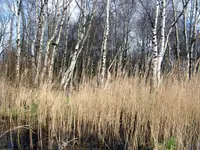
Recognize Downy Birch by its oval to rounded leaves with finely toothed edges and an alternate arrangement on the twigs. Young shoots are softly hairy, and the bark is white to gray-white on slender trunks.

It usually forms a narrow to broad crown, and the female catkins stand upright at first rather than hanging.

Betula pubescens Identification

Identify a Plant by Photo

Upload a clear photo to check your plant identification with Botan.

Clear images work best. Avoid photos taken too close or too far away

  • 1 free identification
  • No sign-up
  • 30,000+ plants in database

Check the tree’s twigs, leaves, bark, and catkins for a quick match.

  • Young twigs and leaf stalks look softly hairy rather than smooth.
  • Leaves are oval to slightly triangular, with a pointed tip and fine double teeth, usually 1.5 to 2.5 inches (4 to 6 cm) long.
  • Leaves are arranged alternately along the twig, not in opposite pairs.
  • Bark is white to gray-white and stays fairly smooth, often with dark horizontal marks.
  • Female catkins are upright to slightly spreading, short and cylindrical, about 1 inch (2.5 cm) long.

Use several features together, especially the hairy twigs and leaf shape.

Betula pubescens shows useful visual shifts from seedling form to flowering and fruiting structures.

  • Seedling: Seedlings have a thin upright stem with very small rounded first leaves, then slightly triangular true leaves; stems and leaf stalks look noticeably soft and downy.
  • Young plant: Young plants form a narrow sapling with many slender ascending twigs. Leaves become broader and more distinctly ovate, usually about 1-2 inches (3-5 cm) long.
  • Flowering stage: Flowering plants show hanging male catkins and smaller upright female catkins on the same tree, adding conspicuous clustered structures at twig tips before fruit develops.
  • Fruiting stage: Fruiting branches carry erect to slightly drooping catkins that thicken into seed-bearing structures, then break apart, unlike the softer-looking female catkins seen earlier.

In spring, Downy Birch shows soft new leaves and hanging catkins, which can be a useful clue before the canopy fully fills out. Female catkins later become more noticeable as they develop into small upright seed structures. After leaf drop in fall, the tree is easier to recognize by its fine twig network, pointed buds, and pale bark. Leaves usually turn yellow before they fall, adding a brief color cue.

Several birches can be mistaken for Betula pubescens at a glance.

silver birch(Betula pendula)

Similar white bark and triangular leaves cause confusion. Silver birch usually has hairless, warty young shoots and more sharply pointed, doubly toothed leaves. Its branchlets often hang more noticeably.

gray birch(Betula populifolia)

Also a pale-barked birch with triangular leaves. Gray birch typically has whiter bark with dark triangular patches under branches, and leaves are more elongated with a long tapering tip.

Himalayan birch(Betula utilis var. jacquemontii)

Often confused when young because both can show white bark. Himalayan birch has cleaner, bright white peeling bark and broader, more heart-based leaves.

Betula pubescens is native across northern and central Europe and much of northern Asia, extending east into Siberia. In Britain and Ireland, it is one of the common birches in cool, wet landscapes, so geography can help separate it from less widespread look-alikes. It typically grows in bogs, fens, wet woodland, moorland edges, and other damp lowland to upland sites. Finding a birch in persistently wet ground is a useful clue, since this species is especially associated with moist habitats.

Does Your Plant Match?

Use Botan to compare a photo and help confirm the plant, which is useful when field marks are unclear or several species look similar.

FAQ

Leaves help, but leaves alone are not fully reliable for identifying Downy Birch. Look for softly hairy young shoots and leaf stalks, rounded to slightly heart-shaped leaf bases, and finely toothed leaf edges rather than strongly double-toothed ones.

More Plant Identification Guides

Find Out What Plant It Is

Identify a plant from a photo with Botan, then review species-specific care information, safety notes, and common problems.

Botan app identifying a plant from a photo
When to Plant Hydrangeas: Best Time by Season and Type

6 min read · 30 Oct 2026

When to Plant Hydrangeas: Best Time by Season and Type

Hydrangeas grow best when you plant them in cool weather. This guide explains when to plant hydrangeas in your area, compares fall and spring planting seasons, and shows the right steps for each type.

Beginner Guides
When to Plant Hydrangeas: Best Time by Season and Type
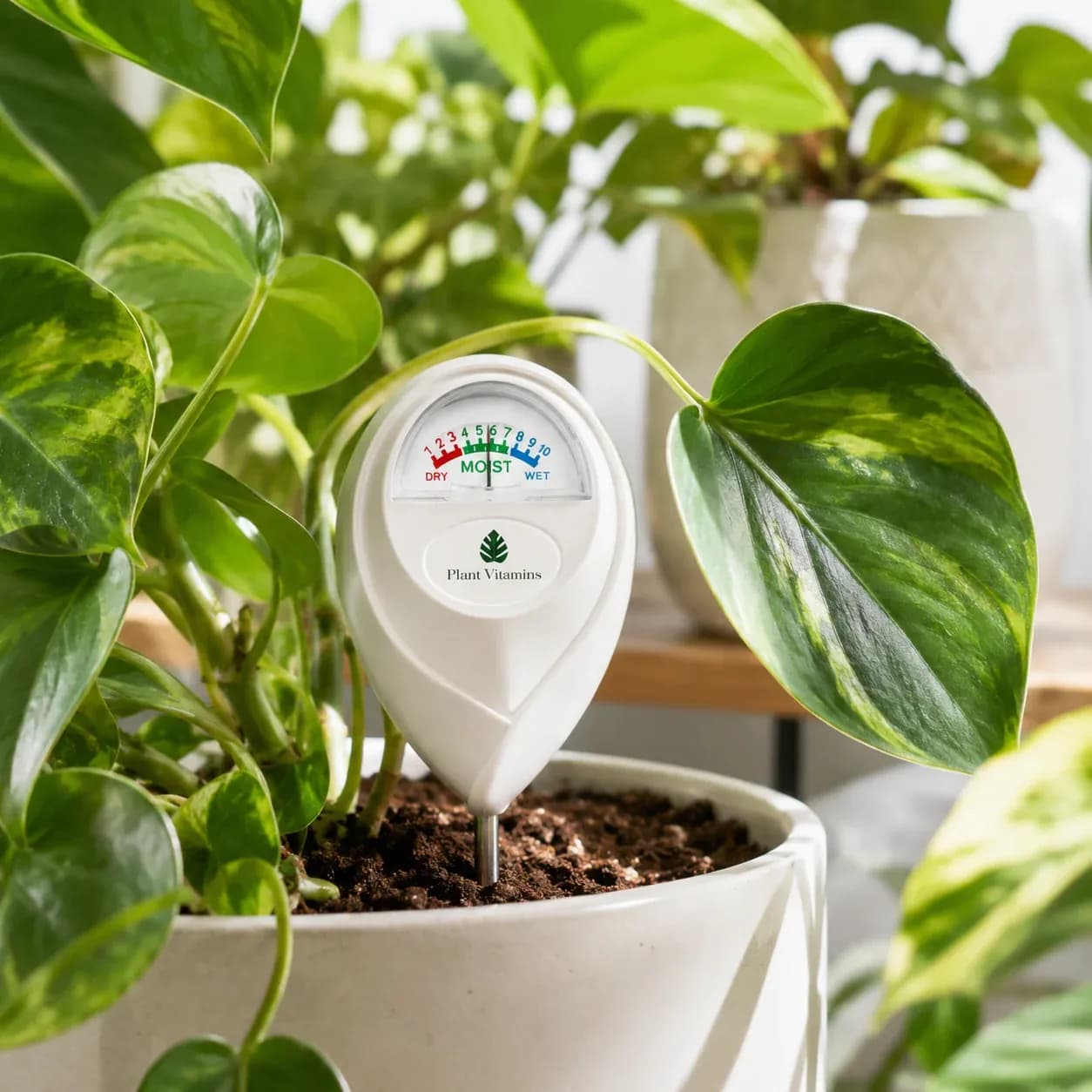
How to Use a Moisture Meter for Plants

5 min read · 4 Sept 2026

How to Use a Moisture Meter for Plants

Watering by feel kills plenty of houseplants. A moisture meter checks the soil for you, and takes the guesswork out of it. This guide will show you how to use it correctly, from the first touch to the final reading.

Beginner Guides
How to Use a Moisture Meter for Plants
How to Plant Pumpkin Seeds for a Fall Harvest and Grow Your Own Patch

7 min read · 4 Nov 2026

How to Plant Pumpkin Seeds for a Fall Harvest and Grow Your Own Patch

A backyard pumpkin patch starts months before the first leaves turn: the harvest that ends up on the porch in October is decided by what a gardener does in late spring.

Beginner Guides
How to Plant Pumpkin Seeds for a Fall Harvest and Grow Your Own Patch