Rotating for symmetry
Turn the pot 90° every 2–3 weeks so the crown receives even light from all sides, which keeps the fronds upright and the rosette balanced rather than leaning to one direction.

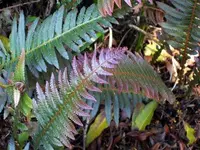
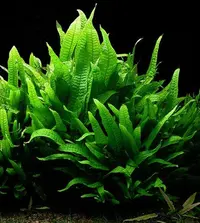
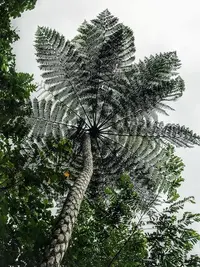
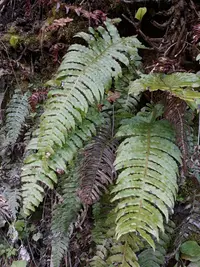
Prickly rasp fern (Blechnum neohollandicum) is a terrestrial fern with a strong central trunk and stiff, upright fronds that create a small tree-fern look. The fronds often have a slightly spiny or rasp-like texture, which gives the plant its common name.
This species is native to Australia and nearby regions, where it grows in moist forests and along shaded slopes. It prefers consistently damp, humus-rich soil and sheltered positions, which influences how to care for prickly rasp fern in homes and gardens.
Growth is moderate and the plant is relatively sturdy, but it dislikes drying out completely or sitting in stagnant water. It suits growers who can provide stable moisture, filtered light, and protection from harsh conditions.

Care Difficulty
Moderate Care

Light Preference
Partial Shade

Water Requirements
Keep Soil Moist

Temperature Preference
Warm Climate

Hardiness Zone
10–11

Soil Texture
Loamy, Peaty, Organic-rich

Soil pH
Acidic (5.5–6.5)

Soil Drainage
Moist but well-drained

Fertilization
Minimal (feed rarely)
Scan your plant to receive care tips personalized for your specific plant
Available on iOS and Android
This fern prefers bright, indirect light with consistent shade protection from harsh sun.
This fern needs evenly moist but not waterlogged soil throughout the growing season.
This species grows best in mild, frost-free conditions with stable temperatures.
This fern needs consistently moist air to maintain healthy fronds and new growth.
This fern prefers loose, moisture-retentive but well-drained, organic-rich soil that mimics a forest floor.
This species is suitable for container growing when the pot supports stable, evenly moist conditions.
Blechnum neohollandicum benefits from modest, steady nutrition rather than heavy feeding during its active season.
Pruning Blechnum neohollandicum focuses on hygiene and maintaining a neat clump rather than reshaping the plant.
This fern prefers stable conditions, so repotting or transplanting should be done only when clear signs of crowding appear.
Propagation of Blechnum neohollandicum is usually done by division, as spore or seed methods are slow and technical for home growers.
This fern is only mildly cold tolerant and benefits from thoughtful winter care in regions with frost or freezing temperatures.

Plant Health Check
Not sure what's wrong with your plant? Check your plant's health inside the app.
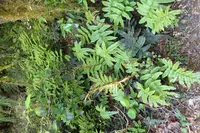
Young plants form tight, ground‑hugging rosettes of fronds before developing an upright trunk-like stem, giving it a very different appearance in juvenile versus adult stages.
This species is naturally restricted to humid, lowland to montane forests of the southwest Pacific region, where it often grows along shaded streams and wet slopes with consistently high rainfall.
The fronds are thick, leathery, and glossy, an adaptation that helps reduce water loss and withstand strong rain and wind in exposed forest and coastal habitats.
Brown frond tips usually come from low humidity, underwatering, or excess fertilizer salts. Entire fronds browning from the base often indicate root problems or past drought. Remove damaged fronds and correct moisture and humidity to stabilize growth.
Keep your plants happy and healthy with plant identification, disease detection, and easy care guidance.