Andean Horsetail Care (Equisetum bogotense)

Andean Horsetail

About Andean Horsetail

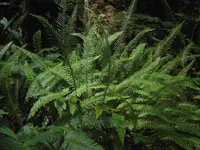
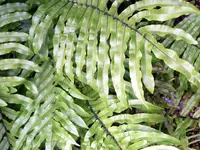
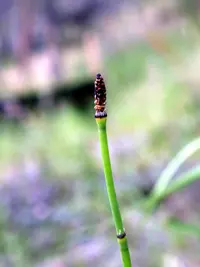
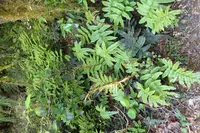
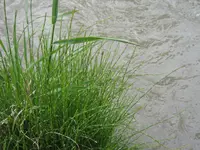
Andean horsetail (Equisetum bogotense) is a primitive, fern-like perennial known for its slender, jointed green stems that form dense, upright clumps. It has no true leaves or flowers and spreads mainly by creeping rhizomes.

This species is native to cool, moist regions of the Andes in South America, where it grows along streams, wet slopes, and boggy ground. It prefers consistently damp soil and does best in bright light with some protection from harsh sun.

Its vigorous growth and spreading habit can make it challenging to control in open garden beds, but it adapts well to contained plantings or water gardens. Learning how to care for Andean Horsetail helps keep it healthy while preventing unwanted spread.

Main Plant Requirements

Care Difficulty

Moderate Care

Light Preference

Partial Shade

Water Requirements

Aquatic

Temperature Preference

Warm Climate

Hardiness Zone

9–11

Soil Texture

Loamy, Silty, Organic-rich

Soil pH

Acidic (5.5–6.5), Slightly acidic (6.5–7.0)

Soil Drainage

Waterlogged tolerant

Fertilization

Minimal (feed rarely)

Get Personalized Care Plan

Scan your plant to receive care tips personalized for your specific plant

Available on iOS and Android

How to Care for the Andean Horsetail

This species prefers bright, indirect light that mimics open, moist stream banks.

  • Provide 4–6 hours of bright, filtered light daily; gentle morning sun is acceptable, but protect from strong midday and afternoon sun to prevent stem scorch.
  • It tolerates light shade, but in dense shade stems become thin, elongated, and pale, indicating insufficient light intensity.
  • In summer, give Andean Horsetail dappled light under taller plants; in cooler months, it can handle more direct sun when UV and heat are lower.

This plant is adapted to consistently wet conditions and does not tolerate drying out.

  • Keep soil or substrate saturated or very moist; the surface should never dry more than 0–1 cm, and shallow standing water is acceptable in many sites.
  • Increase water whenever stems start to look dull, limp, or tips brown, which signals underwatering; healthy growth stays firm and bright green.
  • Use heavy, organic, or clay-rich soil that holds water well; poor drainage is less risky than drought, but foul odor and black, mushy roots indicate prolonged stagnation.

This species favors mild, cool to warm conditions with good moisture availability.

  • Optimal growth occurs around 60–75°F (16–24°C), where stems stay upright and actively produce new shoots through the growing season.
  • Mature clumps often survive short dips to about 25–28°F (-4 to -2°C), but repeated hard frost can damage or brown above-ground stems.
  • In hot periods above 86°F (30°C), growth slows; provide extra moisture and some shade to protect roots from overheating and reduce stress.

This species prefers consistently high humidity similar to a wetland edge.

  • Aim for 60–90% humidity by keeping the root zone constantly moist and avoiding drying winds.
  • Dry air causes browning tips and reduced shoot growth, especially during warm weather.
  • Use trays of water, grouped plantings, or a position near a pond or bog garden feature to maintain surrounding humidity.

This species thrives in saturated, oxygen-poor substrates rather than typical potting soil.

  • Use a heavy, organic-rich, silty or clayey mix with fine sand and compost to mimic stream or bog margins.
  • Allow very slow drainage or no drainage, keeping the soil consistently waterlogged without periods of drying.
  • A slightly acidic to neutral pH around 6.0–7.0 suits Equisetum bogotense best.
  • Avoid loose, fast-draining mixes, added perlite, or sharply drained beds, which dry too quickly and limit rhizome spread.

This species can grow in containers if they are managed like mini bogs.

  • Choose a deep, sturdy pot to contain spreading rhizomes and prevent it from breaking thin plastic walls.
  • Stand the pot in a tray or outer cachepot that can hold several centimeters of water to maintain constant saturation.
  • Select heavier materials such as ceramic or concrete to stabilize tall, upright shoots in windy outdoor positions.

This species needs only light feeding in nutrient-poor or long-term container conditions; many established clumps in the ground grow well without extra fertilizer.

  • Use a diluted balanced liquid fertilizer (around 10-10-10) at 1/4–1/2 strength for potted Andean Horsetail during active growth.
  • Feed every 4–6 weeks in spring and summer if container substrate is low in organic matter.
  • Avoid high-phosphorus lawn fertilizers, which can stress roots in wet soils.
  • Stop feeding in fall and winter to allow natural slowing of growth.

Pruning Equisetum bogotense is mainly used to keep dense stands tidy and to remove weak stems.

  • Best time is late winter to early spring, just before strong new growth starts.
  • Cut dead, damaged, or heavily discolored stems at the base with clean hand pruners or sharp scissors.
  • Thin crowded clumps by removing some older stems to improve air flow and maintain a narrow, upright outline.
  • Dispose of removed stems; do not compost if spread is a concern, as nodes may root in wet piles.

This rhizomatous species spreads strongly, so transplanting or recontaining is more about control than plant health.

  • Plan moves in early spring or early fall, when temperatures are mild and soil moisture is steady.
  • Transplant when rhizomes are pressing against pond or bed edges, or when container roots circle and growth becomes sparse.
  • Lift sections with a spade, keeping a generous root and soil mass to limit shock.
  • Replant into a moisture-retentive, organic-rich substrate, then water thoroughly and keep evenly wet for several weeks.

Propagation is commonly done by rhizome division rather than by spores, which are slow and less predictable.

  • Divide healthy outdoor clumps in early spring, when new shoots first appear.
  • Use a sharp spade or knife to cut rhizome sections with several nodes and attached stems or buds.
  • Plant divisions at the same depth in saturated, humus-rich soil, spacing pieces to allow spread.
  • Keep the site consistently wet and shaded to part-shaded until strong new shoots establish.

In mild to cool temperate climates, this plant is reasonably hardy and usually needs only modest winter attention.

  • Tolerates light frosts but can suffer stem damage in prolonged freezes below about 25°F.
  • Apply a 5–8 cm layer of organic mulch around the base in late fall to buffer root temperature.
  • In containers, move plants to a frost-free but cool, bright spot and keep the substrate just moist.

Care Tips

Use Containment Barriers

Plant in a wide container or install an in-ground root barrier 30–40 cm deep to prevent rhizomes from spreading into nearby beds or lawns while still allowing strong growth.

Flowing Water Setup

For water features, position the plant where it receives gentle moving water rather than stagnant conditions, which helps oxygenate the roots and reduces the risk of anaerobic rot and algae buildup.

Rhizome Division Management

Divide congested clumps every 2–3 years by cutting rhizomes into firm, healthy sections with several nodes, and immediately replant at the same depth to maintain vigor and upright growth.

Support Tall Stems

In windy or exposed sites, use low, discreet ring supports or short bamboo canes arranged in a circle so the hollow stems stay vertical and are less likely to crease or snap.

Rinse Foliage Regularly

Hose or shower the stems every few weeks to remove dust and debris, which helps photosynthesis and also dislodges early pests, making caring for Andean Horsetail more reliable over time.

Common Pests and Diseases

Rust fungus

This disease causes small orange to brown pustules on stems and fertile shoots, with possible yellowing or weakening of affected sections. Symptoms include reduced vigor in dense, humid stands, especially in poorly ventilated sites.

Solution

Remove and destroy heavily infected stems to reduce spore spread, then thin crowded clumps to improve air movement and reduce leaf wetness duration. Avoid overhead watering, keep surfaces around the plant free of fallen debris, and if the problem recurs in the same location, consider relocating part of the planting to a sunnier, better-ventilated spot as part of long-term Equisetum bogotense care instructions.

Stem blight

This disease leads to darkened, water-soaked or black streaks on culms, which later dry, collapse, and become brittle. Symptoms include sudden dieback of patches in very wet, stagnant conditions.

Solution

Cut out and discard affected stems at ground level, sterilizing pruners between cuts with alcohol to avoid spreading the pathogen. Reduce standing water, improve drainage or water flow if grown in containers or lined bogs, and avoid mechanical injury to stems, which creates easy entry points for blight-causing fungi and bacteria.

Aphids

These insects cluster on young shoots and joints, sucking sap and causing distortion, pale patches, or sticky honeydew on nearby surfaces. This pest tends to build up on lush, sheltered growth, especially in nutrient-rich, damp plantings.

Solution

Rinse stems thoroughly with a firm stream of water to knock off colonies, repeating every few days until numbers drop. For persistent infestations, apply an insecticidal soap or horticultural oil labeled for ornamental use, making sure to coat all sides of the stems, and reduce excess nitrogen fertilization that encourages very soft growth.

Spider mites

These insects are tiny sap-feeders that create fine webbing and cause a dull, speckled appearance or bronzing on stems, especially when plants dry out at the surface. This pest is more common when Andean horsetail is grown in warm, dry indoor or container conditions.

Solution

Increase ambient humidity around the stand by using water trays or more frequent misting, and hose down stems regularly to dislodge mites. If populations remain high, use a horticultural oil or insecticidal soap, applied in the cool part of the day and repeated according to label directions until new growth appears clean.

Scale insects

This pest appears as small, oval, tan to brown bumps on stems that do not rub off easily and may cause gradual yellowing or thinning of stems. These insects feed on plant sap and excrete honeydew, which can lead to sooty mold on nearby surfaces.

Solution

Manually scrape or wipe off individual scales with a cotton swab or soft cloth dipped in alcohol, focusing on the most infested areas. For heavier infestations, apply horticultural oil thoroughly to smother crawlers and exposed adults, and monitor new stems regularly so that small re-infestations are treated early.

Interesting Facts

High Andean specialist

This horsetail is naturally restricted to cool, wet habitats along the northern Andes, often growing at higher elevations than most other horsetail species and forming dense stands along mountain streams and seeps.

Root-like underground stems

It forms long, creeping rhizomes that anchor it in fast-draining, often unstable slopes, allowing the plant to resprout after physical disturbance and gradually spread along Andean watercourses.

Very fine stems

Compared with many relatives, it produces unusually slender, jointed green stems with reduced leaves forming narrow sheaths, which maximizes photosynthetic surface while minimizing damage from high-elevation wind and water flow.

Botan icon

Did you know?

This species was one of the first South American horsetails to be described from high Andean regions, and its restricted montane distribution makes it an important indicator of intact, cold, clean freshwater habitats in parts of Colombia and neighboring countries.

FAQs about Andean Horsetail

This species spreads vigorously by underground rhizomes and can quickly form dense stands. In gardens, use root barriers or containers and remove unwanted shoots regularly to prevent it from overtaking nearby planting areas.

Grow Healthy Plants with Botan Care

Keep your plants happy and healthy with plant identification, disease detection, and easy care guidance.

Botan plant care app — identify plants on mobile

Explore More Plants