Mountain Kiokio Care (Blechnum montanum)

Also known as: dunedin-cass blechnum
Mountain Kiokio

About Mountain Kiokio

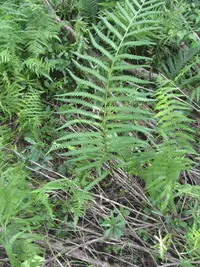
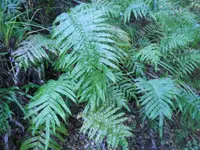
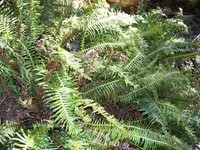
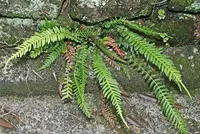
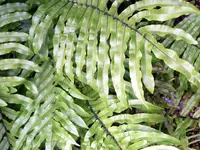
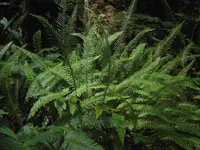
Mountain kiokio, Blechnum montanum, is a small evergreen fern native to New Zealand’s montane and subalpine regions. It usually grows in tight clumps with upright, finely divided fronds. The fronds often have a fresh green color and form a tidy, fountain-like shape that suits naturalistic and woodland-style plantings. In the wild it is found on moist banks, rock ledges, and forest margins with cool, damp air. Its preference for consistent moisture and cool, shaded conditions can make it a little demanding in warmer, drier homes and gardens. Understanding how to care for Mountain Kiokio starts with providing humus-rich, well-drained soil and protection from hot, direct sun.

Main Plant Requirements

Care Difficulty

Moderate Care

Light Preference

Partial Shade

Water Requirements

Keep Soil Moist

Temperature Preference

Warm Climate

Hardiness Zone

9–11

Soil Texture

Loamy, Peaty, Organic-rich

Soil pH

Acidic (5.5–6.5)

Soil Drainage

Moist but well-drained

Fertilization

Minimal (feed rarely)

Get Personalized Care Plan

Scan your plant to receive care tips personalized for your specific plant

Available on iOS and Android

How to Care for the Mountain Kiokio

This fern prefers cool, sheltered light conditions that mimic a moist forest understory.

  • Provide bright, filtered light with 2–4 hours of soft morning sun and protection from direct midday and afternoon sun, which can scorch fronds.
  • Plant Mountain Kiokio in partial to full shade, using overhead tree cover or a shade cloth that blocks 40–70% of direct light.
  • In summer, increase shade and mulch to reduce light and heat stress; in winter, allow slightly more open light if sun is weak.

This species needs consistently moist but not waterlogged soil to maintain healthy fronds.

  • Aim for evenly damp soil, allowing only the top 1–2 cm to start feeling less wet before watering again in the growing season.
  • Use deep, infrequent watering guided by observation: drooping, crisping frond tips suggest underwatering, while yellowing fronds and sour-smelling soil suggest overwatering in Blechnum montanum.
  • Ensure soil drains freely with added leaf mold or fine bark, avoiding standing water, and reduce watering slightly in cooler months when growth slows.

This fern thrives in mild, cool-temperate conditions without strong temperature extremes.

  • Optimal growth occurs around 55–70°F (13–21°C), with steady moisture and shelter from drying winds.
  • It tolerates brief dips to about 30°F (-1°C) if soil is moist and roots are mulched, but repeated or hard frosts can damage fronds.
  • In hotter periods, above 80°F (27°C), provide deep shade, extra mulch, and higher humidity to prevent heat stress and frond scorch.

This fern prefers consistently moist, high-humidity air to maintain healthy fronds.

  • Aim for 60–80% humidity; use a hygrometer to monitor levels near Mountain Kiokio.
  • Crisping tips, pale fronds, and slow unfurling indicate humidity is too low.
  • Increase humidity with a pebble tray under the pot or a nearby humidifier, rather than frequent misting.

This species needs a loose, moisture-retentive but free-draining substrate that mimics a forest floor.

  • Use a mix of 50–60% fine pine bark or coco chips, 20–30% peat or coco coir, and 10–20% perlite for structure and drainage.
  • Target slightly acidic soil, around pH 5.5–6.5, which supports nutrient uptake for Blechnum montanum.
  • Ensure the mix stays evenly moist but never waterlogged; water should drain through in seconds, not minutes.
  • Avoid heavy clay, compacted garden soil, or mixes dominated by sand, which either suffocate roots or dry out too fast.

This fern is suitable for container growing when moisture and stability are carefully managed.

  • Choose a pot slightly wider than the root mass but deep enough to keep the rhizome just below the surface for even moisture around new growth points.
  • Use a sturdy, heavier container material if grown outdoors to prevent wind from tipping over the upright fronds.
  • Line the bottom with a thin layer of coarse bark, not stones, to keep drainage holes from clogging while maintaining aeration at the base.

This fern is adapted to low-nutrient habitats, so Mountain Kiokio needs only light, infrequent feeding in cultivation.

  • Use a balanced, dilute liquid fertilizer (for example 10-10-10 at 1/4–1/2 strength) for container-grown plants only.
  • Feed every 4–6 weeks during active growth in spring and summer if foliage looks pale or growth slows.
  • Avoid fertilizing in autumn and winter, when growth is minimal, to prevent weak, soft fronds.
  • Prefer organic options such as compost-rich potting mixes rather than heavy synthetic fertilizer use.

Blechnum montanum needs only light pruning to maintain health and a tidy clump.

  • Carry out pruning in late winter or early spring before new fronds unfurl.
  • Remove dead, diseased, or badly damaged fronds at the base using clean, sharp scissors or pruning snips.
  • Thin a few of the oldest, most crowded fronds to improve air flow and reduce fungal issues.
  • Avoid cutting emerging fiddleheads, as this can reduce vigor and the plant’s natural form.

This fern is usually grown in the ground, with transplanting done infrequently and only when necessary.

  • Transplant in early spring or early autumn when temperatures are mild and soil is moist.
  • Look for signs such as crowded clumps, bare centers, or stunted frond growth indicating the plant needs more space.
  • Lift with a wide root ball, minimize root disturbance, and replant at the same depth into humus-rich, moist, well-drained soil.
  • Water thoroughly after transplanting, keep soil evenly moist, and provide shade until new fronds resume strong growth.

Blechnum montanum is most practically propagated by careful division rather than from spores in home settings.

  • Divide established clumps in early spring when new growth is just starting to emerge.
  • Lift the plant, then separate the rhizome into sections, each with several healthy fronds and strong roots.
  • Replant divisions immediately into moist, well-drained, humus-rich soil, keeping crowns at original soil level.
  • Maintain high humidity, consistent moisture, and shade until divisions show new frond growth, then resume normal care.

This fern is moderately cold hardy but benefits from simple winter care in colder regions.

  • Tolerates light frost but may suffer frond damage in prolonged freezes below local hardiness limits.
  • Apply a 5–8 cm layer of leaf mulch or bark around the root zone in late autumn, keeping it off the crown.
  • In very cold or exposed sites, add temporary fleece or evergreen boughs over the crown during hard freezes.

Care Tips

Cool root zone

Mulch lightly with fine bark or leaf mold around, but not touching, the crown to keep the shallow root system cool and evenly moist, especially in warm or windy sites.

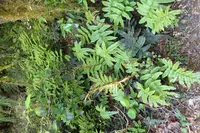
Protect emerging croziers

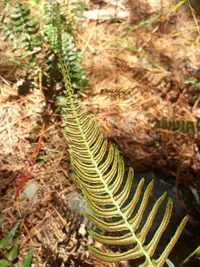
In late winter and early spring, mark the clump and avoid foot traffic or heavy mulch so the soft emerging fronds (croziers) are not crushed or deformed.

Use soft water

If tap water is hard or heavily chlorinated, alternate with collected rainwater or filtered water to reduce mineral buildup that can scorch the delicate leaflet tips over time.

Sheltered airflow

Site the plant where there is gentle air movement but no direct draughts, such as behind taller shrubs or a shade structure, to reduce desiccation and tearing of fronds in wind.

Regular frond grooming

Every few months, remove dead, yellowing, or storm-damaged fronds cleanly at the base with disinfected tools to improve air circulation through the crown and simplify caring for Mountain Kiokio in damp climates.

Common Pests and Diseases

Scale insects

This pest feeds on fronds and stems, drawing out sap and causing yellowing, stunted growth, and sticky honeydew on the foliage.

Solution

Wipe fronds and stipes with a soft cloth dipped in diluted insecticidal soap, then rinse gently; for heavier infestations on outdoor plants, use a horticultural oil spray, repeating every 7–10 days until new growth appears clean and scale-free.

Fern aphids

These insects cluster on tender frond tips and undersides, causing distortion, pale patches, and sticky residue that can lead to sooty mold growth.

Solution

Wash colonies off with a firm stream of water, then treat remaining insects with insecticidal soap or a low-odor horticultural oil, making sure to coat the undersides of fronds and repeating applications until no new aphids appear.

Rhizoctonia leaf blight

This disease produces brown, irregular lesions that spread across pinnae, often starting where fronds stay wet or crowded, and can lead to dieback of entire fronds in humid conditions.

Solution

Remove and discard affected fronds, improve air circulation and avoid overhead watering, then apply a fern-safe fungicide labeled for Rhizoctonia if new lesions continue to appear on emerging fronds.

Pythium root and crown rot

This disease causes progressive wilting, blackened crowns, and soft, discolored roots, usually in plants kept in constantly wet or poorly drained substrates.

Solution

Discard severely affected plants; for mild cases, unpot and trim all soft roots, repot into a free-draining, moisture-retentive but airy mix, reduce watering frequency, and avoid letting the crown sit below the soil surface to support long-term Blechnum montanum care instructions.

Interesting Facts

New Zealand alpine fern

This species is native to high-elevation habitats in New Zealand, where it grows among rocks and in open, moist alpine sites rather than typical forest shade.

Distinctive leathery fronds

Its fronds are relatively short, stiff, and leathery compared with many other Blechnum species, an adaptation that helps resist strong alpine winds and high light levels.

Tough rhizome system

Blechnum montanum forms a compact, creeping rhizome (underground stem) that anchors it in shallow, stony soils and allows slow clump expansion in harsh mountain conditions.

FAQs about Mountain Kiokio

This fern spreads slowly by short rhizomes, forming tight clumps rather than running widely. It can gradually widen over several years but is generally easy to contain and is not considered aggressive in garden settings.

Grow Healthy Plants with Botan Care

Keep your plants happy and healthy with plant identification, disease detection, and easy care guidance.

Botan plant care app — identify plants on mobile

Explore More Plants