Blechnum hastatum Care

Blechnum hastatum

About Blechnum hastatum

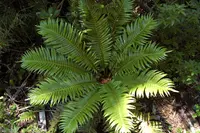
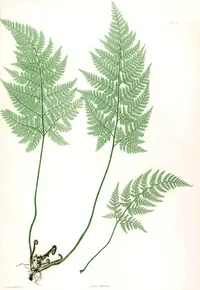
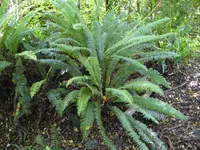
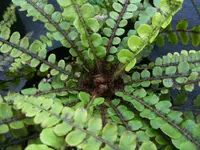
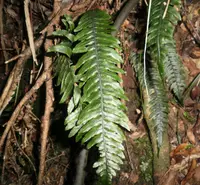
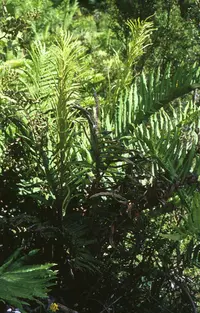
Blechnum hastatum is a terrestrial fern with a compact, upright growth habit and graceful, divided fronds that form a neat rosette. It stays relatively low, which makes it suitable for pots or shaded borders.

This species is native to temperate regions of South America, where it grows in moist, cool forests and along shaded slopes. Its preference for consistent moisture, shelter from hot sun, and humus-rich soil can make it slightly more demanding than common houseplants.

Those who care for Blechnum hastatum should focus on stable humidity, mild temperatures, and protection from drying winds or strong indoor drafts.

Main Plant Requirements

Care Difficulty

Moderate Care

Light Preference

Partial Shade

Water Requirements

Keep Soil Moist

Temperature Preference

Warm Climate

Hardiness Zone

9–11

Soil Texture

Loamy, Peaty, Organic-rich

Soil pH

Acidic (5.5–6.5)

Soil Drainage

Moist but well-drained

Fertilization

Light (every 4–6 weeks)

Get Personalized Care Plan

Scan your plant to receive care tips personalized for your specific plant

Available on iOS and Android

How to Care for the Blechnum hastatum

This fern prefers bright, indirect light that mimics a lightly shaded forest floor.

  • Aim for dappled or filtered light with 2–4 hours of gentle morning sun and shade or bright indirect light for the rest of the day.
  • Provide partial shade under taller plants or a shade cloth; strong midday and afternoon sun can scorch fronds and cause dull, bleached patches on Blechnum hastatum.
  • In summer, move plants out of harsh sun; in low-light seasons, place closer to a bright window or open shade to prevent weak, stretched growth.

This species needs steadily moist but not waterlogged soil for healthy frond growth.

  • Water when the top 2–3 cm of soil feels slightly dry, allowing moisture to reach the root zone without leaving the soil soggy.
  • Use deep watering so excess drains freely; poorly drained or compacted soil increases the risk of root rot, blackened frond bases, and musty smells.
  • In cooler seasons reduce frequency but do not let the root zone fully dry; crisp tips and drooping fronds suggest underwatering, while yellowing and mushy roots indicate excess moisture.

This fern grows best in mild, consistently cool to warm conditions without temperature extremes.

  • Ideal growth occurs around 60–75°F (16–24°C), which supports steady frond development and limits stress.
  • It tolerates brief dips to about 40°F (4°C), but foliage damage and decline are likely below this, especially with frost or cold winds.
  • In hot weather above 85°F (29°C), provide shade, extra humidity, and mulch around the root zone to keep the soil cooler and reduce heat stress.

This fern prefers consistently moist air and reacts quickly to dry indoor conditions.

  • Target 60–80% humidity, as typical heated homes under 40% quickly dry fronds.
  • Crisping tips, rolled new fronds, and slowed growth indicate humidity stress rather than underwatering.
  • Use a large pebble tray under the pot or group plants closely to raise local humidity.
  • Run a small cool-mist humidifier nearby during winter or air-conditioned periods for stable moisture.

This fern needs evenly moist, airy, organic-rich soil that never becomes compacted or waterlogged.

  • Use a base of peat-free compost or coco coir with fine bark and perlite in roughly equal parts for a loose, fibrous texture.
  • Ensure the mix drains freely yet holds moisture, similar to soil for moisture-loving ferns rather than succulents.
  • Aim for slightly acidic to neutral pH around 5.5–7.0, avoiding strongly alkaline mixes with heavy lime content.
  • Avoid heavy clay, pure garden soil, or mixes dominated by sand that either suffocate roots or dry out rapidly, as these hinder Blechnum hastatum growth.

This species grows well in containers when moisture and stability are managed carefully.

  • Choose a pot slightly deeper than wide so the creeping rhizomes and fibrous roots have space without becoming cramped and stressed.
  • Select heavier materials like ceramic when outdoors, which reduce tipping and moderate moisture swings compared with thin plastic.
  • Raise the pot on feet or bricks outdoors so drainage holes stay clear and excess water can escape quickly after rain or watering.

This fern is modest in its nutrient needs but benefits from light feeding in active growth.

  • During spring–summer, apply a balanced liquid fertilizer at 1/4–1/2 strength every 4–6 weeks.
  • Choose a balanced NPK formula or organic compost extract to avoid excess salts around fine roots.
  • Rinse the potting mix occasionally with plain water to prevent fertilizer buildup and tip burn.
  • Stop feeding Blechnum hastatum in fall–winter when growth slows, especially in cooler rooms.

Pruning needs for Blechnum hastatum are low and focus on hygiene rather than shaping.

  • Best time to tidy is late winter or early spring before strong new frond growth.
  • Use clean, sharp scissors or pruning snips to remove dead, yellowing, or diseased fronds at the base.
  • Thin out badly crowded or damaged fronds to improve air movement and reduce fungal problems.
  • Avoid cutting healthy frond tips, as this distorts the natural arching form of the fern.

Container-grown plants appreciate careful repotting to maintain healthy roots and steady growth.

  • Repot every 2–3 years when roots circle the pot, growth slows, or water drains very quickly.
  • Plan to move Blechnum hastatum in early spring so it can recover during the growing season.
  • Shift only 1 pot size up and use moisture-retentive, well-drained mix to limit root shock.
  • Handle the root ball gently, keep the crown at the same level, then water thoroughly and shade for several days.

Propagation of this fern is most reliable through careful division of established clumps.

  • Divide in early spring when new croziers are just emerging and conditions are mild.
  • Lift the plant, then separate the rhizome into sections, each with several healthy fronds and buds.
  • Plant divisions into small pots with a loose, moist, shaded medium and high humidity.
  • Spore propagation is possible but slow and demanding, mainly suited to experienced growers.

This fern prefers mild, frost-free winters and benefits from some protection in cold climates.

  • Blechnum hastatum is only lightly frost tolerant; sustained freezes can damage fronds and crowns.
  • Mulch the root zone with 5–8 cm of leaf mold or bark in fall in ground plantings.
  • Move containers indoors or into a cool greenhouse when temperatures approach 32°F.
  • Keep soil just slightly moist in winter, avoiding both waterlogging and complete dryness.

Care Tips

Cool root zone

Place the pot inside a slightly larger cachepot with damp peat or fine bark around the inner pot to keep the root zone cool and evenly moist, which this fern prefers over warm, exposed containers.

Frond hygiene

Rinse fronds gently with lukewarm water every 4–6 weeks to remove dust and spores, which improves photosynthesis and reduces spider mite and scale infestations.

Calcium-aware watering

Use low- to moderate-mineral water (rainwater, filtered, or mixed 50:50 with tap) to avoid hard-water deposits on the fine fronds and gradual substrate alkalization that can weaken the plant over time.

Gradual repot strategy

Repot only one pot size up and keep the rhizome at the same depth, then shade the plant from strong light for 7–10 days to reduce stress and encourage rapid re-rooting.

Cool-season adjustment

In cooler months, especially below 60°F, reduce handling and feeding and keep air movement gentle rather than drafty to support steady growth when caring for Blechnum hastatum.

Common Pests and Diseases

Scale insects

This pest feeds on frond midribs and lower stipes, often appearing as small brown or gray bumps that cause yellowing and weakening of fronds.

Solution

Remove heavily infested fronds, then wipe remaining scales from stipes and rachises with a cotton pad dipped in 70% isopropyl alcohol or a mild insecticidal soap solution; improve air movement and avoid excessive nitrogen fertilization to reduce reinfestation when caring for Blechnum hastatum.

Fern aphids

These insects cluster on young croziers and tender frond bases, causing distortion, sticky honeydew, and sometimes black sooty mold on the foliage.

Solution

Rinse colonies off with a firm stream of water, then treat remaining infestations with insecticidal soap, repeating every 5–7 days as new growth emerges; reduce stress by maintaining even moisture and avoiding hot, dry air.

Rhizoctonia leaf blight

This disease causes irregular brown lesions that start at the base or along the midrib of fronds, leading to blighted patches that can merge and kill entire fronds in dense plantings or humid shade houses.

Solution

Promptly remove and discard affected fronds, increase spacing and airflow, and water at the soil level in the morning; in persistent cases, apply a fern-safe fungicide labeled for Rhizoctonia on ferns, following label rates and intervals.

Pythium root and crown rot

This disease leads to general wilt, stunted growth, and collapse of fronds, with blackened, mushy roots and often a softened crown in plants kept overly wet in heavy mixes or poorly drained sites.

Solution

Discard severely affected plants, improve drainage, and switch to a lighter, free-draining medium; for early cases, trim out affected roots, repot into fresh mix, reduce watering, and, where permitted, drench with a systemic fungicide labeled for Pythium on ferns.

Interesting Facts

Southern temperate native

This species is naturally distributed in the temperate regions of southern South America, especially Chile and Argentina, where it grows in humid forests and along stream banks in cool, ocean‑influenced climates.

Distinctive frond dimorphism

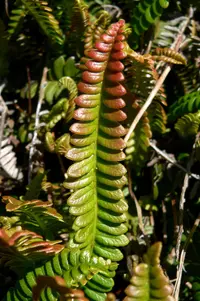
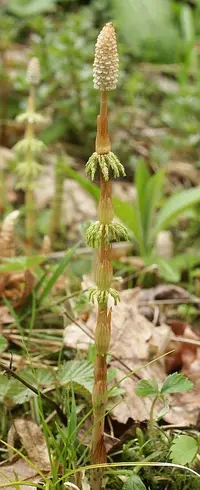
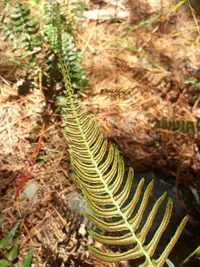
Blechnum hastatum shows clear frond dimorphism, meaning its fertile fronds that bear spores are noticeably different in shape and texture from its sterile foliage fronds, a typical but well-expressed trait in the genus Blechnum.

Rhizome-based colony growth

The plant spreads through a creeping rhizome, a horizontal underground stem, allowing it to form loose colonies on moist forest floors and slopes rather than existing as isolated individuals.

FAQs about Blechnum hastatum

This fern is evergreen in mild, frost-free climates, holding its fronds year-round. In colder areas it may semi-evergreen, with older fronds damaged by frost while new growth re-emerges from the crown in spring.

Grow Healthy Plants with Botan Care

Keep your plants happy and healthy with plant identification, disease detection, and easy care guidance.

Botan plant care app — identify plants on mobile

Explore More Plants