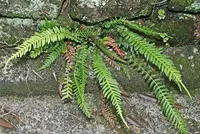
Swamp Kiokio Care (Blechnum minus)

Also known as: Soft Water-fern
Swamp Kiokio

About Swamp Kiokio

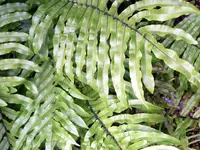
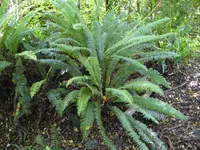
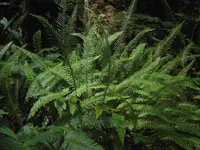
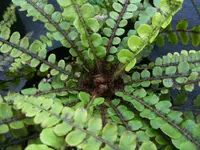
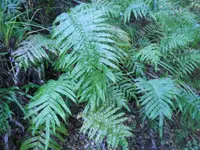
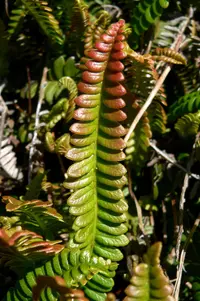
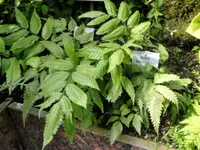
Swamp kiokio, Blechnum minus, is a small, clumping fern native to wet habitats in Australia and New Zealand. It typically forms low, arching rosettes of finely divided fronds. The fronds often show a soft, fresh green tone, with fertile fronds standing more upright than the leafy ones, giving the plant a layered, textural look. In the wild it grows along stream banks, boggy ground, and damp forest margins. Its preference for constant moisture and cool, sheltered conditions means it can be more demanding than many common houseplants. Those who care for Swamp Kiokio need to provide consistently damp soil, high humidity, and protection from hot, direct sun.


Main Plant Requirements

Care Difficulty

Moderate Care

Light Preference

Partial Shade

Water Requirements

Keep Soil Moist

Temperature Preference

Cool Climate

Hardiness Zone

8–10

Soil Texture

Loamy, Silty, Organic-rich

Soil pH

Strongly acidic (4.5–5.5), Acidic (5.5–6.5)

Soil Drainage

Moist but well-drained

Fertilization

Minimal (feed rarely)

Get Personalized Care Plan

Scan your plant to receive care tips personalized for your specific plant

Available on iOS and Android

How to Care for the Swamp Kiokio

This fern prefers soft, filtered light similar to a bright forest floor.

  • Provide 2–4 hours of gentle morning sun with bright dappled or full shade the rest of the day; avoid harsh midday and afternoon sun.
  • Swamp Kiokio tolerates deep shade but fronds become thinner and more open if light is very low for many weeks.
  • In hot summers, increase shade and mulch the root zone to reduce stress and leaf scorch, especially in exposed sites.

This species prefers consistently moist, never stagnant, soil.

  • Aim for soil that stays evenly damp, allowing only the top 1–2 cm to lose surface sheen before watering again in garden or woodland beds.
  • Use rich, well-drained soil that holds moisture; standing water or a sour smell in the root zone indicates poor drainage and risk of rot for Blechnum minus.
  • Crisping frond tips or drooping, thin new fronds indicate underwatering, while yellowing bases and soft, collapsing fronds suggest overwatering.

This fern prefers cool to mild conditions without temperature extremes.

  • Ideal growth occurs around 55–72°F (13–22°C), especially where soil stays cool and moist and humidity is moderate to high.
  • It tolerates brief dips to about 25°F (-4°C) once established but young plants are more sensitive and benefit from winter mulch in colder regions.
  • In hot spells above 86°F (30°C), increase shade, maintain soil moisture, and use mulch to protect shallow roots from overheating and drying.

This fern prefers consistently moist air and reacts quickly to dry conditions.

  • Aim for 60–80% humidity, which mirrors its naturally damp habitat and keeps fronds lush.
  • Tolerates short spells around 40–50% but frond tips may brown and curl from dry indoor air.
  • Increase humidity for Swamp Kiokio with a pebble tray, grouped plants, or a small room humidifier near the pot.

This species prefers moist, organic-rich soil that drains freely yet never becomes waterlogged.

  • Use a loose, humus-rich mix such as 2 parts peat-free potting mix, 1 part fine bark, and 1 part perlite or pumice.
  • Maintain consistently damp conditions with high organic matter to mimic the streambank habitats of Blechnum minus.
  • Target slightly acidic soil, around pH 5.5–6.5, which supports nutrient uptake and healthy root growth.
  • Avoid heavy clay, compacted ground, or sandy mixes that dry out quickly or hold standing water around the rhizomes.

This fern can be grown successfully in containers when moisture and stability are carefully managed.

  • Choose a pot deep enough to accommodate its fibrous root system so the mix stays evenly moist between waterings.
  • Select a wide, weighty container to stabilize spreading fronds and reduce tipping in wind or on balconies.
  • Use a container material that retains moisture moderately, such as glazed ceramic or thick plastic, to prevent rapid drying of the mix.

Blechnum minus is a modest feeder but responds well to light, consistent nutrition during active growth.

  • Apply a balanced liquid fertilizer at 1⁄4–1⁄2 strength every 4–6 weeks in spring–summer for caring for Swamp Kiokio.
  • Use a slow-release, balanced NPK granule sparingly on the soil surface, keeping pellets away from the crown.
  • Supplement with a thin layer of fine compost as a top-dress to support soil structure and microbial activity.
  • Stop feeding in fall–winter, when growth slows, to avoid salt buildup and weak, etiolated fronds.

Blechnum minus needs only light pruning to keep fronds healthy and the clump tidy.

  • Best time for pruning is late winter to early spring, before strong new growth begins.
  • Cut off dead, yellowing, or damaged fronds at the base with clean, sharp scissors or pruners.
  • Thin a few crowded, old fronds to improve air movement and light penetration into the center of the fern.
  • Avoid cutting the central crown, as this can slow recovery and distort future growth.

This fern is often grown in the ground, but container plants benefit from occasional transplanting to maintain vigor.

  • Look for roots circling the pot, water running straight through, or slowed growth as cues to transplant.
  • Transplant or repot in early spring, every 2–3 years, when new fronds start to emerge.
  • Choose a slightly larger container with moisture-retentive, well-drained mix, keeping the crown at the same depth.
  • Water thoroughly after moving, then keep soil evenly moist and shaded for 1–2 weeks to limit root stress.

Blechnum minus is most practically propagated by division rather than from spores for home growers.

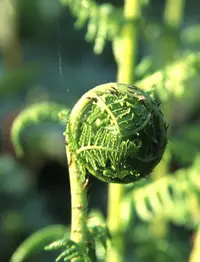
  • Divide established clumps in early spring when new croziers are just emerging.
  • Lift the plant carefully, then split the rhizome into sections, each with several healthy fronds and roots.
  • Replant divisions at original depth in moist, shaded conditions with well-drained, humus-rich soil.
  • Keep soil consistently damp and humidity moderately high until new fronds expand and roots establish.

Blechnum minus is moderately cold hardy but benefits from simple winter protection in colder regions.

  • Tolerates light frosts but may suffer frond damage with prolonged freezes below about 25°F.
  • Apply a 5–8 cm mulch layer around the root zone, keeping material clear of the crown.
  • In containers, move plants to a sheltered, frost-free spot such as an unheated garage or bright porch.

Care Tips

Moisture basin setup

Place the pot in a shallow tray filled with coarse gravel and water kept just below the pot base to maintain constant root-zone moisture without risking waterlogging, which is particularly helpful when caring for Swamp Kiokio in dry indoor air.

Cool root zone

In hot weather, shade the container sides or mulch the soil surface with fine pine bark to keep the root zone slightly cooler and more stable, which reduces stress on this moisture-loving fern.

Dividing old crowns

Every 3–4 years, lift and divide congested crowns in early spring, keeping several healthy fronds and firm rhizome on each division to rejuvenate growth and maintain a dense, fresh-looking clump.

Bog-edge planting

When planting outdoors near ponds or bog gardens, set the crown 1–2 cm above the final soil level and gently mound the soil around it so fronds stay above standing water while roots can explore the consistently wet zone below.

Slug and snail barriers

In damp plantings, place a ring of sharp grit or copper tape around the base and check fronds at night with a flashlight, removing slugs and snails before they shred the young, tender foliage.

Common Pests and Diseases

Scale insects

These insects feed on the fronds and midribs, causing yellowing, speckling, and general decline, especially on sheltered, moist plants. Symptoms include sticky honeydew and sooty black mold on the foliage.

Solution

Remove heavily infested fronds and gently scrape or wipe insects off midribs and stipes with a cotton pad dipped in 70% isopropyl alcohol or a dilute insecticidal soap solution. Improve air movement around the fern and repeat treatments every 7–10 days until no new scale appear, taking care not to let soap or alcohol sit on the fronds for long in hot or bright conditions.

Fern aphids

These insects cluster on young croziers and soft fronds, sucking sap and causing distortion, stunting, and sticky honeydew that may attract sooty mold. Infestations are more common on plants grown in sheltered, nutrient-rich, consistently moist sites.

Solution

Wash aphids off with a firm but gentle stream of water, focusing on the undersides of fronds and emerging growth. If needed, follow with a dilute insecticidal soap or horticultural oil spray directed only at affected areas, repeating at 5–7 day intervals and avoiding application during high heat or direct midday sun.

Rhizoctonia crown rot

This disease affects the crown and upper rhizome, causing brown, sunken lesions at the base of the fronds, plant collapse, and poor new frond emergence in constantly wet or waterlogged conditions. Symptoms include a foul or earthy odor and brown, rotting tissue where fronds join the crown.

Solution

Cut away and discard all soft, discolored crown tissue and any affected fronds, then replant into fresh, well‑drained but moisture‑retentive substrate and avoid burying the crown. Reduce watering to keep the soil evenly moist rather than saturated, improve drainage and airflow, and discard plants that remain soft or continue to decline to avoid spreading the pathogen to nearby ferns.

Leaf spot (fungal)

This disease produces small brown or black spots on the pinnae that can merge into larger dead patches, especially in dense, humid plantings. Symptoms include premature frond yellowing and a more ragged, scorched appearance on the lower, older fronds.

Solution

Remove and discard affected fronds to reduce spore levels, and water at soil level instead of wetting the foliage to keep fronds dry. Thin surrounding vegetation or increase spacing to improve airflow, and in persistent cases apply a labeled ornamental fern fungicide, coating both upper and lower frond surfaces while avoiding applications during high heat.

Interesting Facts

Australian wetland specialist

This fern is native to eastern Australia and is most common along cool, permanently moist creek lines, swamp margins, and wet rock faces, where it often forms dense, low colonies.

Distinctive dimorphic fronds

The plant produces two different frond types: shorter, spreading sterile fronds that form the leafy rosette, and taller, narrower fertile fronds that rise above and carry the spores.

Tolerant of moving water

In the wild, it often grows on saturated banks or among rocks directly beside running streams, showing a notable tolerance for regular water movement and periodic splashing compared with many other terrestrial ferns.

Botan icon

Did you know?

In some wet Australian habitats, this species can act as a natural soil stabilizer, with its fibrous root system helping to bind wet banks and reduce erosion along creeks and swamp edges.

FAQs about Swamp Kiokio

Brown tips or edges usually result from low humidity, inconsistent moisture, or excess fertilizer salts. Maintain evenly moist soil, increase local humidity, and flush the potting mix occasionally with plain water to remove built-up salts.

Grow Healthy Plants with Botan Care

Keep your plants happy and healthy with plant identification, disease detection, and easy care guidance.

Botan plant care app — identify plants on mobile

Explore More Plants