Willdenow's maiden fern Care (Thelypteris interrupta)

Also known as: Willdenow's Fern
Willdenow's maiden fern

About Willdenow's maiden fern

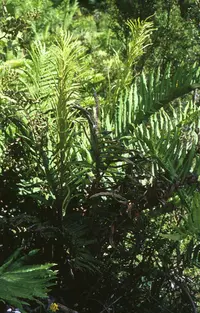
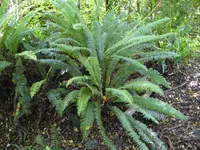
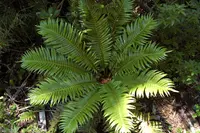
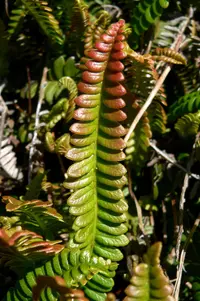
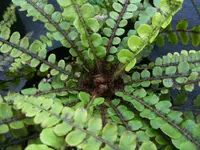
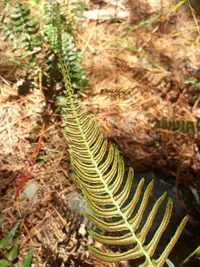
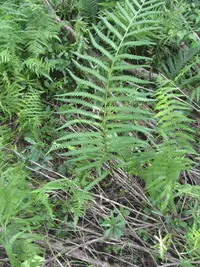
Willdenow's maiden fern (Thelypteris interrupta) is a moisture-loving, clumping fern with upright, finely divided fronds that create a soft, airy texture. It stays relatively compact and forms dense colonies over time.

This species is native to tropical and subtropical regions, often growing in wetlands, stream banks, and other consistently damp habitats. It prefers filtered light, high humidity, and rich, evenly moist soil.

Its main challenge in cultivation is the need for steady moisture and humidity; drying out quickly weakens the plant. Once these conditions are stable, it is fairly reliable and forgiving, making it manageable to care for Willdenow's maiden fern indoors or in sheltered outdoor spots.

Main Plant Requirements

Care Difficulty

Moderate Care

Light Preference

Partial Shade

Water Requirements

Aquatic

Temperature Preference

Tropical / Frost Sensitive

Hardiness Zone

10–12

Soil Texture

Loamy, Silty, Organic-rich

Soil pH

Acidic (5.5–6.5), Slightly acidic (6.5–7.0)

Soil Drainage

Waterlogged tolerant

Fertilization

Minimal (feed rarely)

Get Personalized Care Plan

Scan your plant to receive care tips personalized for your specific plant

Available on iOS and Android

How to Care for the Willdenow's maiden fern

This fern prefers soft, filtered light similar to a bright forest understory.

  • Provide bright shade or dappled light, such as under taller plants or trees, with no more than 1–2 hours of gentle morning sun and no direct afternoon sun.
  • Tolerates partial shade and can grow in 3–5 hours of indirect light; in deep shade fronds become sparse, pale, and elongated.
  • In hot summers, increase shade or move Willdenow's maiden fern away from reflective surfaces to prevent leaf scorch and dry, brown frond tips.

This species thrives in consistently moist, never stagnant, soil.

  • Aim for soil that feels evenly damp at 2–5 cm depth; rewater once the surface just begins to lose its sheen but before it turns powdery or cracks.
  • During active growth, maintain steady moisture with good drainage; in cooler months, allow the surface to stay slightly drier but do not let the root zone fully dry out.
  • Watch for underwatering signs like crisp, curling frond edges, and overwatering signs such as yellowing fronds, sour odor, or soggy, anaerobic soil around Thelypteris interrupta.

Stable, warm conditions support strong fern growth and healthy fronds.

  • Ideal growth occurs around 68–80°F (20–27°C), with consistent temperatures helping maintain lush, upright fronds and steady new growth.
  • This fern is sensitive to cold; growth slows below 60°F (16°C) and foliage can be damaged near 40°F (4°C), so protect from frost and cold drafts.
  • Tolerates brief heat up to about 86–90°F (30–32°C) if shaded and kept moist; in hot, dry periods, increase humidity and avoid hot, reflective locations that overheat the root zone.

This fern prefers consistently moist air and reacts quickly to dry indoor conditions.

  • Aim for 60–80% humidity, as Willdenow's maiden fern naturally grows in very damp, shaded habitats.
  • Brown, crisp pinna tips and slowed frond expansion indicate humidity stress rather than underwatering.
  • Use grouped plants, a pebble tray with water below the pot base, or a cool-mist humidifier to raise local humidity around the foliage.

This species prefers a loose, consistently moist but not waterlogged substrate with high organic content.

  • Use a peat- or coco-coir-based mix with plenty of leaf mold or compost to mimic the moist, humus-rich soils where Thelypteris interrupta occurs.
  • Ensure moderate drainage by adding 20–30% perlite or fine bark chips so water moves through but the mix still retains moisture.
  • Keep pH slightly acidic to neutral, around 5.5–7.0, avoiding strongly alkaline materials such as heavy lime or pure wood ash.
  • Avoid compacted, clay-heavy, or purely sandy substrates, and break up any large clumps so roots receive air and excess water can drain away.

This fern adapts well to container culture when consistent moisture and stability are maintained.

  • Choose a wide, relatively shallow pot to accommodate its spreading root system and keep the root zone evenly moist.
  • Select a heavier clay or ceramic container outdoors to prevent the plant from tipping as fronds lengthen and catch wind.
  • Elevate the pot slightly on feet or bricks so drainage holes remain clear and water can exit freely after each watering.

This fern benefits from light, steady nutrition but is sensitive to excess salts.

  • Use a balanced liquid fertilizer (for example 10-10-10) at 1/4–1/2 strength for Willdenow's maiden fern in active growth.
  • Feed every 4–6 weeks in spring and summer for container plants; garden plants usually need less if soil is rich.
  • Stop or greatly reduce feeding in fall and winter when growth slows or stops.
  • Prefer organic options such as dilute fish emulsion or compost tea to support soil biology and avoid root burn.

Pruning Thelypteris interrupta is mainly hygienic and shaping rather than structural.

  • Cut back dead, yellowing, or diseased fronds at the base throughout the growing season to keep clumps clean.
  • In late winter or early spring, remove old, tattered fronds to make room for new growth.
  • Thin out congested fronds from the center to improve air flow and reduce fungal problems.
  • Use clean, sharp scissors or pruners, disinfecting blades if disease is present.

This fern prefers stable, moist conditions, so repotting or transplanting should be infrequent and gentle.

  • Look for roots circling the pot, water draining too quickly, or slowed growth as signs it needs a larger container or new site.
  • Plan repotting or transplanting for early spring, every 2–3 years for potted plants, or when clumps outgrow their space in the ground.
  • Lift the plant with as much root ball as possible, disturb roots minimally, and set it at the same depth in fresh, humus-rich medium.
  • Water thoroughly after planting, keep soil evenly moist, and shade from strong sun for 1–2 weeks to reduce transplant stress.

New plants are usually produced by division rather than by spores for practical home care.

  • Divide mature clumps in early spring when new fronds start emerging and temperatures are mild.
  • Lift the root mass, then gently separate it into sections, each with several healthy fronds and a solid rhizome portion.
  • Replant divisions into moist, humus-rich soil or a peat-free fern mix, keeping crowns just at soil level.
  • Maintain high humidity, consistent moisture, and indirect light until new frond growth confirms establishment.

This fern is frost-sensitive in cooler regions and needs protection outside tropical or mild subtropical climates.

  • In USDA zones below 9–10, grow in containers and move plants indoors before nights drop below 40°F.
  • Indoors, keep temperatures around 60–75°F with bright, indirect light and evenly moist soil, never waterlogged.
  • In mild outdoor climates, apply a 5–8 cm mulch layer around the root zone to buffer brief cool spells and moisture swings.

Care Tips

Dividing older clumps

Every 3–4 years, lift and divide congested crowns in early spring, replanting vigorous outer sections at the same depth to maintain frond density and reduce disease buildup in the center of the clump.

Using moisture collars

In outdoor beds, create a shallow soil berm or ring 10–15 cm from the crown to hold irrigation water in place so it infiltrates to the root zone instead of running off the surface.

Shaded mulch strategy

Apply a 3–5 cm layer of fine, composted bark or leaf mold around but not touching the crown to keep the rhizomes cool, stabilize moisture, and reduce weed competition.

Monitoring frond age

Mark the season when new fronds unfurl and remove only the oldest, naturally yellowing fronds at their base, which improves air movement without stressing actively photosynthesizing foliage.

Quarantine and rinse routine

When introducing new ferns nearby, keep them in a separate area for 2–3 weeks and periodically rinse both the newcomer and existing planting with a gentle shower of water to physically dislodge early pest populations while caring for Willdenow's maiden fern.

Common Pests and Diseases

Scale insects

This pest feeds on fronds and stems, causing yellowing, stunting, and sticky honeydew that can encourage sooty mold growth. Infestations are more common on plants grown in sheltered, humid, low-airflow conditions typical for Willdenow's maiden fern indoor care.

Solution

Remove heavily infested fronds, then wipe remaining fronds and rachises with a soft cloth soaked in dilute insecticidal soap or horticultural oil, repeating every 7–10 days until no new scales appear. Improve air circulation and avoid overfertilizing, since soft, lush growth attracts and supports larger scale populations.

Fern aphids

These insects cluster along young fronds and undersides of pinnae, sucking sap and causing distortion, pale fronds, and sticky residues. Symptoms include curled or twisted new growth and slow overall development in container-grown clumps.

Solution

Rinse fronds thoroughly with a firm but gentle stream of water to dislodge aphids, then treat the undersides of fronds with insecticidal soap, making sure to repeat applications weekly until no aphids remain. Reduce excess nitrogen feeding and keep nearby weeds or infested ornamentals in check to limit reinfestation.

Rhizoctonia blight

This disease causes brown, sunken lesions on the lower fronds and crown area, which can spread into a dry, webby blight under warm, saturated soil conditions. Symptoms include sudden collapse of young fronds and thinning clumps, especially in poorly drained pots or beds.

Solution

Cut off and discard affected fronds, then improve drainage and avoid letting the root zone stay waterlogged for long periods. Allow the soil surface to dry slightly between waterings and, if the problem persists, repot into fresh, sterile medium and consider a labeled fungicide drench targeting Rhizoctonia applied according to manufacturer directions.

Bipolaris leaf spot

This disease produces small, dark, water-soaked spots on pinnae that enlarge into irregular brown lesions often with pale centers. Under persistent humidity and overhead watering, spots can merge and cause large sections of fronds to die back prematurely.

Solution

Remove and dispose of spotted fronds to reduce fungal spores, then water at the soil level and space plants so fronds dry quickly after irrigation. If new spots continue to appear, apply a fern-safe broad-spectrum fungicide at labeled intervals and avoid crowding or maintaining fronds against wet surfaces such as walls or glass.

Interesting Facts

Interrupted pinnule pattern

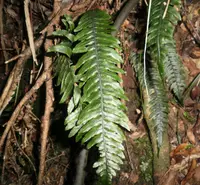
The species name interrupta refers to the way its pinnae carry segments that seem interrupted or irregularly spaced along the frond, creating a visibly uneven texture compared with many other thelypteroid ferns.

Preference for wet habitats

This fern naturally grows in marshes, wet thickets, and along swampy stream margins in tropical and subtropical regions, where its rhizomes can tolerate periodic flooding and waterlogged soils.

Old fronds and sori

Mature fertile fronds often retain their sori, the spore-producing structures on the leaf underside, long after spores are shed, which helps with reliable identification even outside peak reproductive periods.

Botan icon

Did you know?

This species can form dense, almost monospecific stands in disturbed wetlands, where it acts as a pioneer fern that stabilizes saturated soils and provides cover for small amphibians and invertebrates in tropical landscapes.

FAQs about Willdenow's maiden fern

This species spreads by short creeping rhizomes and spores but is usually moderate rather than aggressively invasive in garden settings. In consistently moist, favorable sites it can form broad clumps, so allow space or use edging to contain it.

Grow Healthy Plants with Botan Care

Keep your plants happy and healthy with plant identification, disease detection, and easy care guidance.

Botan plant care app — identify plants on mobile

Explore More Plants