Shallow tray planting
Use a wide, shallow pot or tray so the creeping rhizomes can spread horizontally, then top-dress with fine bark or leaf mold once a year to encourage a dense mat of healthy fronds.

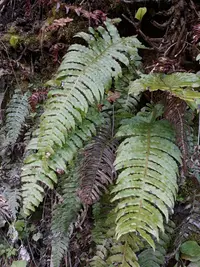
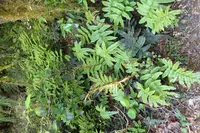
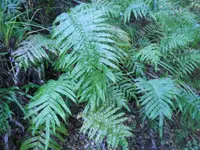
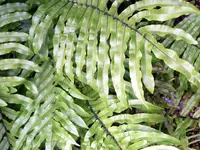
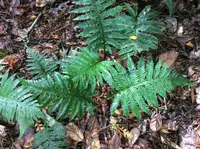
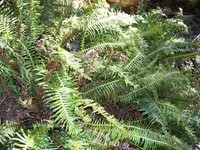
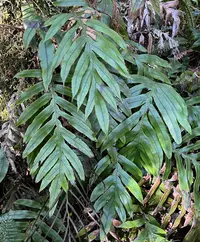
Blechnum deltoides is a small ground fern, often forming tight, low rosettes that create a fine, moss-like carpet. Its fronds are short, triangular, and densely arranged, giving it a delicate but structured look.
This species is native to New Zealand, where it grows in cool, moist habitats such as forest floors and rocky outcrops. It prefers consistently damp conditions, sheltered light, and well-drained, humus-rich soil.
Because it dislikes drying out and sudden temperature changes, it can be more challenging than common houseplants. Anyone learning how to care for Blechnum deltoides should focus on stable moisture, high humidity, and protection from harsh sun or drafts.

Care Difficulty
Moderate Care

Light Preference
Partial Shade

Water Requirements
Keep Soil Moist

Temperature Preference
Cool Climate

Hardiness Zone
7–9

Soil Texture
Loamy, Peaty, Organic-rich

Soil pH
Acidic (5.5–6.5)

Soil Drainage
Moist but well-drained

Fertilization
Minimal (feed rarely)
Scan your plant to receive care tips personalized for your specific plant
Available on iOS and Android
This fern prefers soft, filtered light similar to a forest floor environment.
This species prefers consistently moist but not saturated soil around its shallow roots.
This fern thrives in mild, cool-temperate conditions without strong temperature extremes.
This fern needs consistently moist air to maintain healthy, fine fronds.
This species prefers a loose, humus-rich mix that stays evenly moist yet drains freely.
This fern is suitable for container growing when moisture and stability are carefully managed.
This small fern benefits from light feeding but grows acceptably in lean, humus-rich soil.
This fern needs minimal pruning, mainly to maintain health and a tidy rosette.
Blechnum deltoides dislikes disturbance, so transplant only when clear signs indicate it is necessary.
This fern is usually propagated by careful division rather than from spores in home settings.
This fern prefers mild, frost-free to light-frost conditions and benefits from simple winter protection in colder areas.

Plant Health Check
Not sure what's wrong with your plant? Check your plant's health inside the app.
This species forms tight, ground-hugging rosettes only a few centimeters tall, making it one of the smallest blechnum ferns and quite distinct in stature from its taller relatives.
In its native range of southern South America, it is frequently found anchored in thin soil trapped in rock crevices and among gravel, tolerating exposed, wind-swept alpine and subalpine sites.
Young fronds often emerge with a coppery or reddish tint before maturing to deep green, a common adaptation in ferns that may help protect delicate new tissue from intense light.
This fern usually performs better outdoors in cool, consistently moist, shaded sites that resemble its native habitat. Blechnum deltoides indoor care is possible, but indoor air is often too dry and warm unless humidity is actively increased.
Keep your plants happy and healthy with plant identification, disease detection, and easy care guidance.