Pot depth choice
Select a pot that is deeper rather than wider so the creeping rhizome can extend downward and inward, which reduces drying of new fronds and keeps the root zone more stable over time.

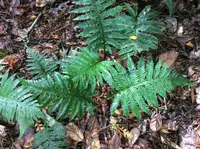
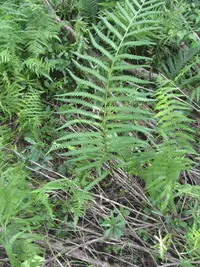
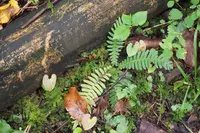
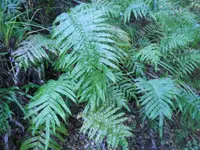
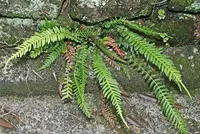
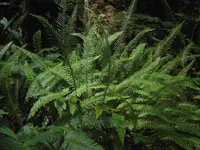
Miniature tree fern (Blechnum fraseri) is a compact fern species with a short woody trunk and a neat rosette of finely divided fronds. It stays relatively small, which makes it suitable for containers, terrariums, and sheltered garden corners.
This species is native to New Zealand and nearby regions, where it grows in humid forests and along shaded slopes. Its need for constant moisture, shelter from harsh sun, and stable temperatures means it is moderately demanding and not ideal for very dry homes.
Those conditions shape how to care for miniature tree fern, as it responds best to soft light, evenly moist soil, and good humidity without waterlogging the roots.

Care Difficulty
Moderate Care

Light Preference
Partial Shade

Water Requirements
Keep Soil Moist

Temperature Preference
Warm Climate

Hardiness Zone
9–11

Soil Texture
Loamy, Peaty, Organic-rich

Soil pH
Strongly acidic (4.5–5.5), Acidic (5.5–6.5)

Soil Drainage
Moist but well-drained

Fertilization
Light (every 4–6 weeks)
Scan your plant to receive care tips personalized for your specific plant
Available on iOS and Android
Blechnum fraseri prefers bright, gentle light that mimics a forest understory.
This fern needs steadily moist but not waterlogged soil.
This species prefers mild, consistently cool to warm conditions without temperature extremes.
This fern needs consistently high humidity to maintain healthy fronds and steady growth.
This species prefers a loose, moist, organic-rich substrate that stays damp but never waterlogged.
This fern adapts well to container culture when moisture and stability are managed carefully.
Blechnum fraseri benefits from light, consistent feeding to support lush frond growth, especially in containers.
Blechnum fraseri needs only light pruning to maintain a tidy, healthy clump of fronds.
This fern dislikes frequent disturbance, so repot or transplant Blechnum fraseri only when clearly rootbound or declining.
Propagation of Blechnum fraseri is possible but more advanced, mainly done by spore sowing or careful division.
Blechnum fraseri is only moderately frost tolerant and benefits from simple winter protection in colder regions.

Plant Health Check
Not sure what's wrong with your plant? Check your plant's health inside the app.
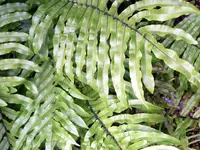
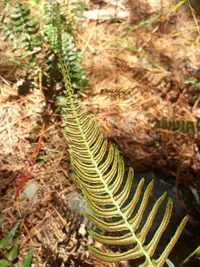
This species produces separate, more erect fertile fronds that look noticeably different from the softer, spreading sterile fronds, a clear visual example of frond dimorphism in ferns.
It is naturally restricted to New Zealand and nearby islands, where it grows on damp forest floors, stream margins, and shaded banks, contributing to the layered structure of cool, moist native forests.
Young fronds unfurl from tight coils called croziers in a spiral pattern, and the mature rosette often shows near-radial symmetry, which makes it a popular subject for studying fern growth patterns and leaf architecture.
Growth is moderate rather than fast. In suitable conditions it usually adds 5–15 cm of trunk or frond length per year. Young plants establish slowly at first, then speed up slightly once the root system is strong.
Keep your plants happy and healthy with plant identification, disease detection, and easy care guidance.