Moisture-retentive mulch
Apply a 2–3 cm layer of fine bark or leaf mold around the root zone, keeping it just clear of the crown, to stabilize soil moisture and protect the shallow rhizomes from drying out.

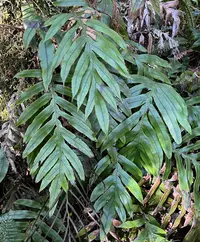
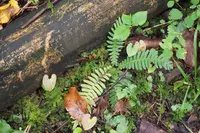
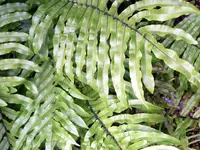
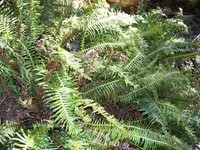
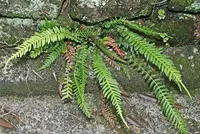
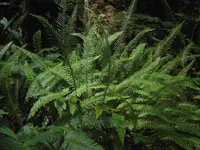
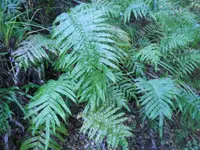
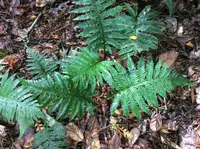
Waterfall fern, Blechnum colensoi, is a ground-dwelling fern known for its cascading fronds that create a soft, layered, waterfall-like effect. It forms dense clumps that slowly spread over time.
This species is native to New Zealand, where it grows in cool, moist forests and along shaded stream banks. Its evergreen fronds give consistent texture and color in mild climates.
Blechnum colensoi prefers sheltered, humid conditions with consistently moist, well-drained soil rich in organic matter. It is moderately demanding, as it dislikes drying out or exposure to hot, direct sun, so understanding how to care for Waterfall fern is important for long-term success.

Care Difficulty
Moderate Care

Light Preference
Partial Shade

Water Requirements
Keep Soil Moist

Temperature Preference
Cool Climate

Hardiness Zone
8–10

Soil Texture
Loamy, Peaty, Organic-rich

Soil pH
Strongly acidic (4.5–5.5), Acidic (5.5–6.5)

Soil Drainage
Moist but well-drained

Fertilization
Minimal (feed rarely)
Scan your plant to receive care tips personalized for your specific plant
Available on iOS and Android
This fern prefers soft, woodland-style light that mimics a shaded forest floor.
This species needs consistently moist but not waterlogged soil to thrive.
This fern prefers cool, mild conditions and does poorly in temperature extremes.
This fern prefers consistently moist air and reacts quickly to dry indoor conditions.
This fern needs consistently moist, humus-rich soil that drains freely but never dries out completely.
This species adapts well to container growing when moisture and root conditions are carefully managed.
This fern benefits from light, steady feeding rather than heavy fertilizer applications.
Pruning Blechnum colensoi focuses on hygiene and maintaining a tidy clump rather than shaping.
Handling this fern gently during repotting or transplanting is important to protect its fibrous root system.
Blechnum colensoi is most often propagated by careful division rather than spores in home settings.
This fern prefers mild, frost-free or only light-frost climates and benefits from some winter protection in colder regions.

Plant Health Check
Not sure what's wrong with your plant? Check your plant's health inside the app.
This fern naturally grows on wet rock faces and beside waterfalls in New Zealand’s upland and montane forests, often forming tight colonies where constant spray keeps its fronds moist.
It produces two clearly different frond types: broader sterile fronds for photosynthesis and narrower, more erect fertile fronds that carry the spore-bearing structures on their undersides.
Its creeping rhizomes and dense root system help bind thin, rocky soils on steep slopes, contributing to slope stability in high-rainfall habitats.

In parts of New Zealand, this species is considered an indicator of cool, persistently humid microclimates, so field botanists use its presence to help recognize sheltered, high-moisture forest and gorge environments.
Growth is moderate rather than fast. In good conditions it usually adds 5–15 cm of frond length per year, forming a dense clump over several seasons. Cooler temperatures, low moisture, or poor soil nutrition slow growth noticeably.
Keep your plants happy and healthy with plant identification, disease detection, and easy care guidance.