Rhizome spacing
When planting in the ground or a wide container, leave 20–30 cm between crowns so new fronds can expand and the rhizomes can slowly creep without crowding or increased disease risk.

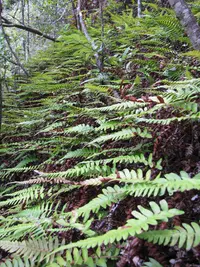
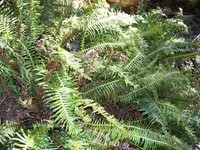
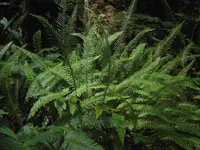
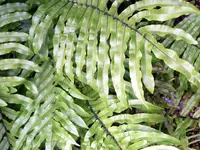
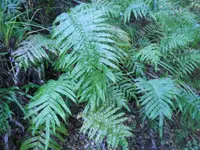
Hammock fern, Blechnum occidentale, is a tropical evergreen fern commonly found in warm forests, hammocks, and shaded thickets across the Americas. It forms clumps of upright to arching fronds that create a soft, layered look. The fronds are typically medium to dark green, with fertile fronds often taller and more narrow than the sterile ones. Plants spread slowly from short creeping rhizomes, forming dense patches in humid, shaded habitats. This species prefers consistent moisture, shaded light, and humus-rich, free-draining soil, which guides how to care for hammock fern in cultivation. Under the right conditions it is moderately easy to maintain but sensitive to drying out or very low humidity.

Care Difficulty
Moderate Care

Light Preference
Partial Shade

Water Requirements
Keep Soil Moist

Temperature Preference
Tropical / Frost Sensitive

Hardiness Zone
10–12

Soil Texture
Loamy, Silty, Organic-rich

Soil pH
Acidic (5.5–6.5), Slightly acidic (6.5–7.0)

Soil Drainage
Moist but well-drained

Fertilization
Minimal (feed rarely)
Scan your plant to receive care tips personalized for your specific plant
Available on iOS and Android
This tropical fern prefers bright, filtered light that mimics a forest understory.
This species favors consistently moist, but not waterlogged, soil.
This fern thrives in warm, frost‑free conditions similar to a humid subtropical forest.
This fern needs consistently high humidity to maintain healthy fronds.
This fern prefers moist, airy, organic-rich soil that stays evenly damp but never waterlogged.
This species grows reliably in containers when moisture and stability are managed carefully.
Blechnum occidentale benefits from light, consistent feeding during active growth, especially in containers.
Pruning Blechnum occidentale is mainly hygienic, helping maintain a tidy clump and healthy fronds.
Transplanting or repotting Blechnum occidentale focuses on preserving its fibrous roots and stable moisture.
Propagation of Blechnum occidentale is possible but is slower and more technical than many common houseplants.
In mild, frost-free climates, Blechnum occidentale needs little special winter care outdoors.

Plant Health Check
Not sure what's wrong with your plant? Check your plant's health inside the app.
This fern is naturally common in lowland tropical hammocks and forest edges from Mexico through Central America and the Caribbean into northern South America, where it often forms dense colonies on moist, shaded slopes and streambanks.
It shows clear frond dimorphism, meaning its fertile fronds bearing spores are usually narrower and more erect than its broader, mainly photosynthetic sterile fronds.
Its creeping, shallow rhizomes and dense fibrous roots help bind loose, humus-rich soils on banks and forest floors, contributing to erosion control in its native habitats.

This species tolerates a surprisingly wide ecological range for a fern, occurring from near sea level in warm, humid lowland forests up to montane habitats around 1,500–2,000 m in parts of its range, provided that shade and consistent moisture are available.
Brown tips or fronds usually result from low humidity, inconsistent watering, or excess fertilizer salts. Check soil moisture, flush the pot occasionally, increase ambient humidity, and keep the plant away from hot or cold drafts.
Keep your plants happy and healthy with plant identification, disease detection, and easy care guidance.