Seasonal marking
Flag or gently mark the colony edges in spring when fronds are visible so you can avoid disturbing the tiny dormant plants during late-season weeding or site work.

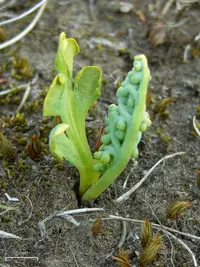
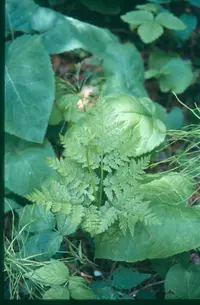
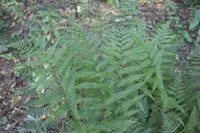
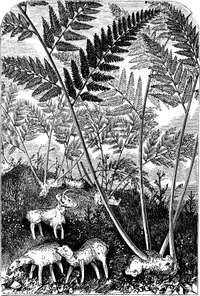
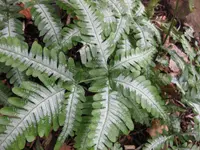
Little grapefern, Botrychium simplex, is a tiny perennial fern in the moonwort group. It has a single delicate frond that often appears among grasses and mosses. The plant usually grows in cool, open habitats such as meadows, pastures, forest clearings, and tundra-like sites across parts of North America and Eurasia. It stays small and can be hard to spot, which reflects its slow, modest growth habit. This fern relies on undisturbed soil and stable moisture, so it does not adapt well to frequent disturbance or dry, exposed garden spots. Those traits make it more challenging to cultivate, and anyone wanting to learn how to care for little grapefern should be prepared for a sensitive, site-specific plant.

Care Difficulty
Hard Care

Light Preference
Partial Shade

Water Requirements
Regular Water

Temperature Preference
Cold Hardy

Hardiness Zone
2–7

Soil Texture
Loamy, Silty, Organic-rich

Soil pH
Acidic (5.5–6.5), Slightly acidic (6.5–7.0)

Soil Drainage
Moist but well-drained

Fertilization
Minimal (feed rarely)
Scan your plant to receive care tips personalized for your specific plant
Available on iOS and Android
This small terrestrial fern prefers cool, subdued light similar to moist meadow or open woodland edges.
This species prefers consistently moist, cool soil without becoming waterlogged.
This hardy fern is adapted to cool, temperate climates with a pronounced winter rest.
This species prefers steady, moderate humidity close to natural woodland conditions.
This fern needs consistently moist, loose, organic-rich soil that mimics damp woodland or bog edges.
This species is possible but fussy in containers and performs better in the ground.
Botrychium simplex, or little grapefern, is adapted to nutrient-poor, natural soils and usually needs no fertilizer in garden or container culture.
Pruning needs for Botrychium simplex are minimal and focus on hygiene rather than shaping.
This fern is rarely potted and is usually managed by gentle transplanting in naturalistic or restoration-style plantings.
Propagation of Botrychium simplex is specialized and not practical for most home growers, so plants are usually obtained from reputable native plant sources instead of home propagation.
This cold-hardy species needs little specific winter care in most climates where it is hardy.

Plant Health Check
Not sure what's wrong with your plant? Check your plant's health inside the app.
Little grapefern is a very small, short-lived fern that often appears for only part of the growing season and can be easy to overlook among mosses and low herbs.
This species produces two very different frond types from the same stem: a sterile, leaf-like frond and a separate fertile frond that bears the spore clusters.
Botrychium simplex typically occurs in open, moist to seasonally wet habitats such as meadows, shores, and damp, disturbed ground rather than in typical shaded forest fern sites.
This fern is naturally slow-growing. New fronds typically appear once per year, gaining only a few centimeters each season. Growth rate depends strongly on cool temperatures, consistent moisture, undisturbed soil, and a healthy underground association with mycorrhizal fungi.
Keep your plants happy and healthy with plant identification, disease detection, and easy care guidance.