Cretan bryony Care (Bryonia cretica)

Also known as: White Bryony, Red Bryony
Cretan bryony

About Cretan bryony

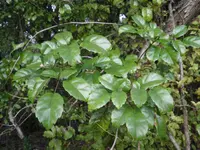
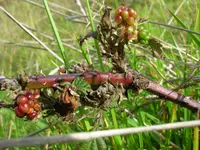
Cretan bryony, Bryonia cretica, is a perennial climbing vine in the cucumber family. It scrambles over shrubs, fences, or rocks using twisting tendrils. The plant has palm-shaped leaves, small yellowish flowers, and showy red berries that stand out against the foliage. It dies back in winter and regrows from a thick underground tuber. Bryonia cretica is native to the eastern Mediterranean, especially Crete and nearby regions, where it grows in rocky scrub and open woodland edges. It prefers sun to light shade, well-drained soil, and moderate moisture. Strong, fast growth and a vigorous root system make it potentially invasive in mild climates, so care for Cretan bryony should include space control and monitoring of unwanted spread.

Main Plant Requirements

Care Difficulty

Moderate Care

Light Preference

Full Sun

Water Requirements

Moderate Water

Temperature Preference

Cool Climate

Hardiness Zone

7–10

Soil Texture

Sandy, Loamy, Rocky

Soil pH

Slightly acidic (6.5–7.0), Neutral (7.0)

Soil Drainage

Well-drained

Fertilization

Minimal (feed rarely)

Get Personalized Care Plan

Scan your plant to receive care tips personalized for your specific plant

Available on iOS and Android

How to Care for the Cretan bryony

This scrambling vine prefers bright, open conditions but not harsh, all‑day exposure.

  • Provide 4–6 hours of direct morning sun with light or dappled shade in the afternoon, especially in hotter regions.
  • Tolerates partial shade, but stems may elongate and flowering decrease if it receives under 3–4 hours of direct light daily; shift Cretan bryony to a brighter spot if growth weakens.
  • In summer, protect from reflected heat and intense mid‑day sun to avoid leaf scorch; in cooler seasons, choose the sunniest available position.

This perennial tuber prefers evenly moist but never saturated soil during active growth.

  • In spring and early summer, water when the top 3–5 cm of soil feel dry, allowing moisture to penetrate deeply around the tuber, then drain away fully.
  • Ensure sharply drained, gritty or loamy soil to reduce risk of rot; persistent surface dampness or a sour smell around the roots suggests overwatering of Bryonia cretica.
  • As foliage yellows and dies back in late summer or autumn, reduce watering sharply, keeping the soil just barely moist to dry until new shoots emerge next season.

This Mediterranean species favors warm, temperate conditions and is sensitive to hard frost.

  • Supports vigorous growth at 65–80°F (18–27°C); growth slows noticeably below 55°F (13°C).
  • Tolerates brief dips to around 28–30°F (-2 to -1°C), but repeated or lower frosts can damage tubers and new shoots, so mulching in winter is recommended in colder climates.
  • Handles dry summer heat up to about 90°F (32°C) if soil moisture is maintained; above this, provide light shade and avoid heat-reflecting surfaces to limit stress.

This species manages well in typical outdoor humidity and rarely needs special moisture adjustments.

  • Target ambient humidity around 40–60% when grown near buildings or on patios.
  • Dry air is usually tolerated, but prolonged hot, desiccating winds can cause leaf edge browning and early leaf drop in Cretan bryony.
  • Increase local humidity slightly by mulching the root zone and avoiding heat-reflective surfaces directly around the plant.

Bryonia cretica prefers freely draining, moderately fertile mineral soils that never stay waterlogged.

  • Use a gritty, loamy mix with 40–60% mineral material such as sand or fine gravel plus some compost for nutrients.
  • Ensure sharp drainage; standing water around the tuber greatly increases the risk of rot.
  • Aim for slightly alkaline to neutral soil, roughly pH 7.0–8.0, avoiding very acidic mixes.
  • To improve aeration and structure in heavier ground, incorporate coarse sand or grit and well-rotted compost before planting.

This species can be grown in containers if the pot supports its climbing habit and deep root system.

  • Choose a deep, heavy container that anchors the vigorous vine and prevents tipping as top growth develops on supports.
  • Fill the pot with a sharply draining mix, such as loam with coarse sand or grit, so water passes through within a few seconds of watering.
  • Position the container where trailing stems can reach a trellis or fence, keeping the pot base slightly shaded to reduce root overheating in summer.

This wild perennial climber usually survives without added nutrients, but light feeding can support growth in poor soils.

  • Apply a balanced, dilute liquid fertilizer (for example 10-10-10 at 1/4 strength) once a month in spring–early summer.
  • Alternatively, incorporate a thin layer of well-rotted compost around the root zone in spring.
  • Avoid feeding during late summer dormancy and winter to prevent weak, out-of-season growth.
  • Ensure soil drains well; never apply fertilizer to waterlogged or very dry soil.

Pruning Bryonia cretica is mainly done to control vigor and keep growth safe and manageable.

  • Carry out main pruning in late winter or very early spring before new shoots extend.
  • Remove dead, damaged, or congested stems and any growth encroaching on other plants or structures.
  • Shorten long, wandering vines to maintain the desired footprint and reduce risk of unwanted spread.
  • Use clean, sharp hand pruners and cut just above a bud or branching point for neat regrowth.

This vine is typically grown in the ground, so focus on careful transplanting rather than frequent repotting.

  • Transplant in early spring or early autumn when temperatures are mild and soil is workable.
  • Look for signs such as roots circling a pot, water running off quickly, or slowed top growth in container plants.
  • Move the plant with a generous root ball, disturbing the tuber and fine roots as little as possible.
  • Replant at the same depth in well-drained soil, water thoroughly, then keep evenly moist to reduce transplant stress.

Propagation of Bryonia cretica is possible but usually undertaken by experienced growers due to its vigorous, weedy nature and toxic parts.

  • Sow ripe seeds in autumn or stratified seeds in late winter, using a well-drained, gritty seed mix.
  • Provide cool to mild temperatures and steady moisture; germination can be slow and uneven.
  • Handle any fleshy roots or tubers carefully if attempting division, keeping large root pieces intact.
  • Label and site new plants cautiously, since growing Cretan bryony near paths or children is not recommended.

This species is generally hardy in mild temperate climates and the top growth naturally dies back in winter.

  • The underground tuber tolerates light to moderate frost if soil drains well and does not stay waterlogged.
  • In colder regions, add a 5–8 cm mulch layer over the root zone in late autumn for extra insulation.
  • Container plants are more exposed; move pots to a sheltered, frost-free spot and reduce watering.

Care Tips

Early trellis setup

Install a sturdy trellis or wire netting at planting time so the vines can climb immediately, which keeps stems off the ground and reduces rot and slug damage.


Root zone protection

Apply a light, inorganic mulch such as gravel or coarse sand around the root zone to keep the soil evenly cool and reduce splash that can spread fungal spores onto the foliage.

Targeted vine training

Gently wind young shoots onto their support in one consistent direction and remove badly tangled side shoots so the plant dries faster after rain and is easier to inspect for pests.

Fruit load management

If the plant sets a very heavy fruit load, thin some of the young berries by hand to reduce stress on the vine and maintain stronger vegetative growth.

Seasonal dieback handling

When the top growth naturally dies back, mark the tuber location and leave the underground parts undisturbed, then clear only the dry stems to simplify caring for Cretan bryony in the next growth cycle.

Common Pests and Diseases

Cucumber mosaic virus

This disease causes mottled, yellowed, or distorted leaves and can stunt vines and reduce fruit set in Bryonia cretica. Symptoms include mosaic patterns, puckering, and general decline in vigor.

Solution

Remove and destroy infected plants promptly to limit spread, since viral infections cannot be cured. Control aphids as main vectors, avoid working with plants when foliage is wet, disinfect tools, and source any nearby cucurbit plants from virus-free material as part of careful Bryonia cretica care instructions.

Powdery mildew

This disease shows as white, powdery patches on leaves and stems, often starting on older foliage and shaded areas. Symptoms include yellowing, premature leaf drop, and reduced growth in hot, dry conditions with poor air movement.

Solution

Improve airflow around vines by spacing and pruning, avoid overhead watering in the evening, and remove heavily infected leaves. If needed, apply a sulfur or potassium bicarbonate-based fungicide according to label directions, focusing on early infection stages.

Red pumpkin beetle

These insects feed on young leaves, flowers, and tender shoots, leaving irregular holes and sometimes skeletonized leaf surfaces. This pest can weaken young Bryonia cretica vines and reduce flowering and fruiting.

Solution

Hand-pick beetles in the early morning and destroy them, and remove nearby weedy cucurbit relatives that host the pest. Where pressure is high, use floating row covers to exclude adults from young plants and apply neem oil or spinosad-based products targeted to beetles, following label instructions.

Aphids

These insects cluster on shoot tips, buds, and underside of leaves, sucking sap and causing curling, distortion, and sticky honeydew that can attract sooty mold. This pest also acts as an efficient vector for viruses affecting Bryonia cretica.

Solution

Wash colonies off with a firm stream of water and prune heavily infested shoot tips. Encourage lady beetles and lacewings, use yellow sticky traps for monitoring, and apply insecticidal soap or horticultural oil, ensuring thorough coverage of leaf undersides.

Downy mildew

This disease causes pale yellow to light green angular spots on upper leaf surfaces, with grayish or purplish fuzz on the undersides in humid conditions. Symptoms include leaf blight, rapid defoliation, and weakening of the vine in cool, moist weather.

Solution

Avoid overhead watering, water early in the day so foliage dries quickly, and increase spacing or trellising to improve air circulation. Remove and discard infected leaves, keep cucurbit debris off the ground, and in severe cases use a copper-based or phosphonate fungicide according to label directions to protect new growth.

Interesting Facts

Mediterranean cliff climber

This species naturally grows as a scrambling vine on rocky slopes and coastal cliffs around the eastern Mediterranean, using tendrils to anchor itself into cracks and low shrubs.

Dioecious flower system

Bryonia cretica is dioecious, meaning individual plants bear either male or female flowers, so fruit develops only where pollen from a male plant reaches a female plant.

Conspicuous toxic berries

The plant produces small, usually red berries that are attractive to some birds but are considered poisonous to humans and many mammals, a strategy that promotes seed dispersal while limiting herbivory.

Botan icon

Did you know?

Historical records from ancient Greek sources indicate that Bryonia cretica was known and distinguished from other climbing plants, showing that people in the region had recognized and named this specific vine since classical antiquity.

FAQs about Cretan bryony

All parts of this species are poisonous, especially the roots and berries. Ingestion can cause severe gastrointestinal upset, dehydration, and potentially life‑threatening symptoms. Keep it away from children, pets, and livestock at all times.

Grow Healthy Plants with Botan Care

Keep your plants happy and healthy with plant identification, disease detection, and easy care guidance.

Botan plant care app — identify plants on mobile

Explore More Plants